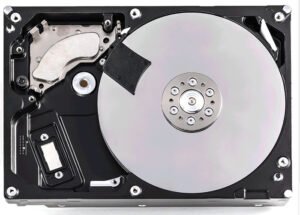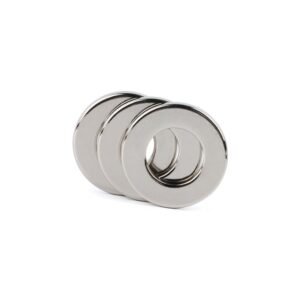
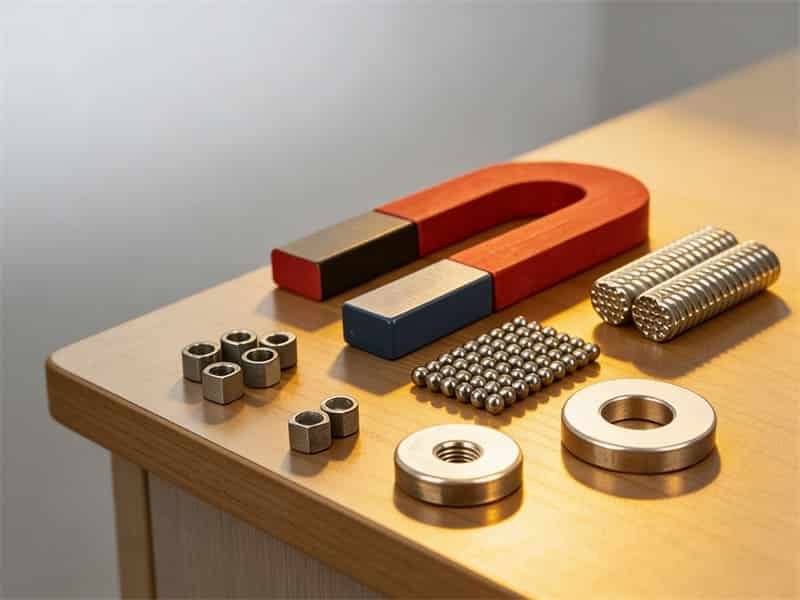
I see the essential types of magnets as permanent, temporary, and electromagnets. Knowing their uses helps me select the right magnet for specific tasks in manufacturing, electronics, and everyday objects.
- The most common types of magnets include:
- Aluminum Nickel Cobalt (AlNiCo)
- Ferrite (projected to hold 37.34% market share by 2035)
- Neodymium Iron Boron (NdFeB, with a 7.23% CAGR)
- Samarium Cobalt (SmCo)
- Magnets drive innovations in electric vehicles, wind turbines, and consumer electronics.
Osenc provides high-quality neodymium magnets with custom solutions for unique industry needs. 🧲
What Is a Magnet?
A magnet is an object that produces a magnetic field, attracting certain metals like iron, cobalt, and nickel. I see magnets every day, from refrigerator magnets to powerful industrial devices. The most common types of magnets include permanent magnets, such as those found in household items, and electromagnets, which rely on electric current. Materials like iron, cobalt, nickel, and gadolinium show strong magnetic effects and are called ferromagnetic. When I place a magnet near an unmagnetized ferromagnetic material, it induces local magnetization, causing attraction.

- Permanent magnets: Used in everyday objects, like fridge magnets.
- Electromagnets: Found in motors, generators, and MRI machines.
- Ferromagnetic materials: Iron, cobalt, nickel, gadolinium.
Tip: Magnets play a key role in modern technology, from electric vehicles to medical devices.
How Magnets Work
Magnets generate magnetic fields through atomic alignment or electric current. Permanent magnets create magnetic fields because their atomic magnetic dipoles align, forming a strong field that extends into space. Electromagnets work differently. When electric current flows through a coil, it creates a magnetic field. I use permanent magnets for stable, long-lasting magnetism. Electromagnets offer flexibility, as I can turn them on or off by controlling the current.
- Permanent magnets: Atomic dipoles align, producing a constant field.
- Electromagnets: Electric current generates a controllable field.
Osenc specializes in neodymium magnets, which use advanced atomic alignment for maximum strength and reliability.
Natural vs. Artificial Magnets
Natural magnets occur in nature, while artificial magnets are made by humans. I find natural magnets, like magnetite, in sand deposits. Artificial magnets can be permanent or temporary, created using other magnets or electric current. Temporary magnets lose their magnetism when the external field disappears. Artificial magnets can be much stronger than natural ones.
| Feature | Natural Magnets | Artificial Magnets |
|---|---|---|
| Composition | Occur naturally, e.g., magnetite | Created by humans, can be permanent or temporary |
| Strength | Generally weaker than artificial magnets | Can be made stronger than natural magnets |
| Permanence | Always permanent | Can be permanent or temporary |
| Formation | Found in nature, e.g., in sand deposits | Made using other magnets or electric current |
| Magnetic Behavior | Aligns with Earth’s magnetic field | Retains magnetism based on material type |
- Natural magnets: Permanent, found in nature, do not lose power.
- Artificial magnets: Can be permanent or temporary, made from soft ferromagnetic materials.
Note: I rely on artificial magnets for most industrial and technological applications because they offer greater strength and flexibility.
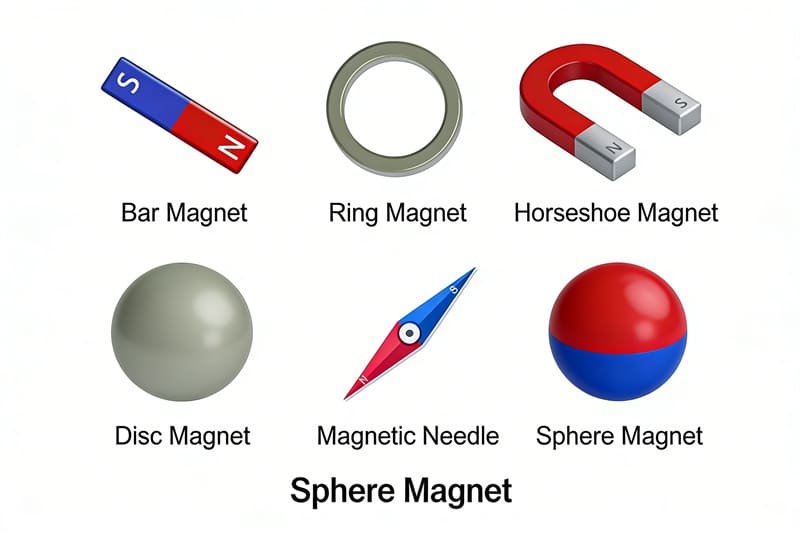
Types of Magnets
- Permanent Magnet
- Neodymium Iron Boron (NdFeB)
- Samarium Cobalt (SmCo)
- Alnico
- Ceramic Or Ferrite
- Temporary Magnets
- Electromagnets

Permanent Magnets
Permanent magnets are magnets that maintain a persistent magnetic field without needing an external power source. I rely on these magnets for consistent performance in many devices. The atomic domains inside permanent magnets stay aligned, which gives them lasting magnetism. I see these magnets in electric motors, generators, speakers, microphones, and hard drives. They use materials like iron, nickel, cobalt, and their alloys. These materials show ferromagnetism because of unpaired electrons.
- Key features of permanent magnets:
- Create their own magnetic field.
- Retain magnetism indefinitely.
- Made from iron, nickel, cobalt, and alloys.
- Common applications:
- Electric motors and generators: Convert electrical energy into mechanical motion.
- Speakers and microphones: Produce sound by interacting with electric currents.
- Hard drives: Store and retrieve data using magnetization.
| Category | Types of Magnets |
|---|---|
| Permanent | Neodymium, Samarium Cobalt, Alnico, Ferrite |
Note: I use permanent magnets in devices that need reliable, long-term magnetism. Osenc supplies high-quality neodymium magnets for these demanding applications. 🧲
Temporary Magnets
Temporary magnets only show magnetism when exposed to an external magnetic field. I use these magnets when I need magnetism for a short time. The magnetic domains inside temporary magnets align only while the external field is present. Once I remove the field, the magnet loses its magnetism. I find temporary magnets useful in electromagnets, MRI machines, and other situations where I need magnetism to appear and disappear quickly.
| Feature | Temporary Magnets | Permanent Magnets |
|---|---|---|
| Magnetization Process | Magnetized by an external magnetic field; loses magnetism when the field is removed. | Inherently magnetized; retains magnetism without an external field. |
| Structure | Magnetic domains align temporarily under external influence. | Magnetic domains are permanently aligned during manufacturing. |
| Applications | Used in electromagnets, MRI machines, and situations requiring temporary magnetism. | Used in electric motors, generators, and devices needing consistent magnetism. |
- Key points about temporary magnets:
- Require an external field to become magnetized.
- Lose magnetism when the field is removed.
- Useful for applications needing short-term magnetism.
Tip: I choose temporary magnets for tasks where I need control over when magnetism appears. This flexibility helps in medical imaging and scientific equipment.
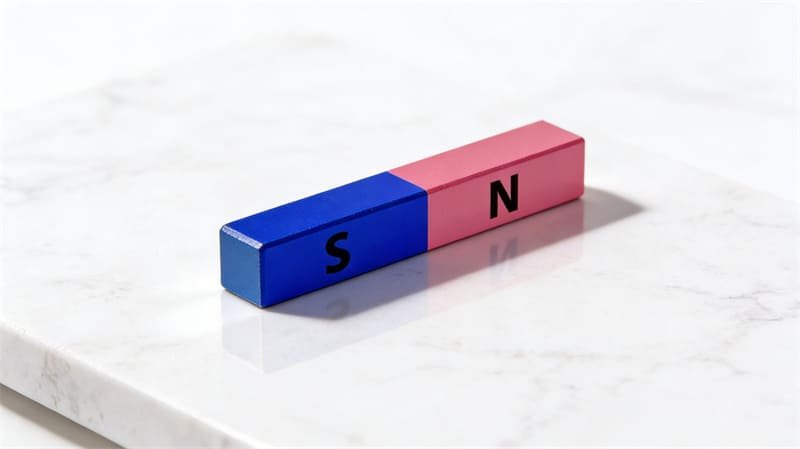
Electromagnets
Electromagnets are magnets that generate a magnetic field when electric current flows through a coil of wire. I use electromagnets in many industrial and technological applications because I can turn their magnetism on or off by controlling the current. The strength of an electromagnet depends on the amount of current and the number of coils. I see electromagnets in generators, motors, actuators, sensors, and medical devices.
- Primary uses of electromagnets:
- Generators and motors
- Actuators and sensors
- MRI machines and medical scanners
- Magnetic lifting and handling
- Magnetic separation and sorting
- Electromagnetic forming and joining
- Advantages of electromagnets:
- Adjustable magnetic strength
- Magnetism can be switched on or off
- Suitable for heavy-duty industrial tasks
Alert: I rely on electromagnets for precision and control in manufacturing and medical technology. Osenc offers expertise in custom magnet solutions for these advanced applications. ⚡
I recognize three main types of magnets: permanent, temporary, and electromagnets. Each type serves unique roles in industry and technology. I also consider flexible rubber magnets and superconducting magnets as important subtypes, which I will discuss next. Understanding the types of magnets and their uses helps me select the best magnet for every project.
Flexible Rubber Magnets
Flexible rubber magnets combine the holding power of traditional magnets with the ability to bend, twist, and shape as needed. I often choose these magnets when I need versatility and durability in challenging environments. Manufacturers create them by mixing ferrite powder with rubber polymers, which gives them their unique flexibility.
I use flexible rubber magnets in many commercial products because they adapt to different shapes and surfaces. They work well for cable management in data centers, mounting portable lights on construction sites, and installing safety beacons on machinery. Their rubber coating protects them from corrosion, so I can rely on them in humid or outdoor settings.
Here is a table that summarizes the main features and applications of flexible rubber magnets:
| Feature/Application | Description |
|---|---|
| Magnetic Strength | Comparable to traditional magnets, allowing for effective attraction and holding of ferromagnetic materials. |
| Flexibility | Can bend and twist easily, maintaining magnetism even when shaped into different forms. |
| Corrosion Resistance | Coated in rubber, making them resistant to rust and suitable for various environments. |
| Temperature Stability | Effective in a range of temperatures, suitable for diverse climates without significant performance loss. |
| Cable Management | Useful in organizing wires and cables in industrial settings, such as data centers. |
| Mounting with Working Lights | Versatile for securing portable fans and lights in temporary settings like construction sites. |
| Installation of Beacons | Used to enhance visibility and safety in hazardous environments by mounting beacons on machinery. |
💡 Tip: I recommend flexible rubber magnets for projects that require both strength and adaptability. They offer a practical solution for many industrial and commercial needs.
Osenc recognizes the importance of flexible rubber magnets in the full range of types of magnets and their uses. I often see them as the best choice for applications where traditional permanent magnets cannot provide the needed flexibility.
Superconducting magnets
Superconducting magnets generate extremely strong magnetic fields by using coils made from superconducting wire cooled to very low temperatures. I rely on these magnets in advanced scientific and medical equipment, such as MRI machines and particle accelerators. When I need a magnet that can deliver high field strength without energy loss, superconducting magnets are my top choice.
These magnets operate at temperatures close to absolute zero, often using liquid helium for cooling. This allows them to carry large electrical currents with zero resistance, which means they can produce powerful and stable magnetic fields for long periods.
I have summarized the main advantages and limitations of superconducting magnets in the table below:
| Advantages of Superconducting Magnets | Limitations of Superconducting Magnets |
|---|---|
| Non-invasive techniques like MEG and MCG provide detailed physiological information without contact. | High initial costs and the need for extensive databases for clinical validation. |
| Improved accuracy in mapping brain activity compared to EEG due to undistorted magnetic field detection. | Dependence on helium for cooling, which can be a logistical and financial challenge. |
| Radiation-free procedures enhance patient safety and allow for frequent monitoring. | Limited availability and support for widespread deployment in clinical settings. |
🚀 Note: I value superconducting magnets for their unmatched performance in research and healthcare. However, I must consider their cost and the complexity of their cooling systems.
Osenc stays at the forefront of magnet technology by offering expertise in all types of magnets, including those used in demanding scientific and industrial environments. I trust Osenc to help me select the right magnet for any specialized application.
Flexible rubber magnets and superconducting magnets expand the possibilities beyond traditional permanent magnets, giving me more options to solve complex engineering challenges. When I understand the full range of types of magnets, I can make informed decisions for every project.
Types of Permanent Magnet Materials
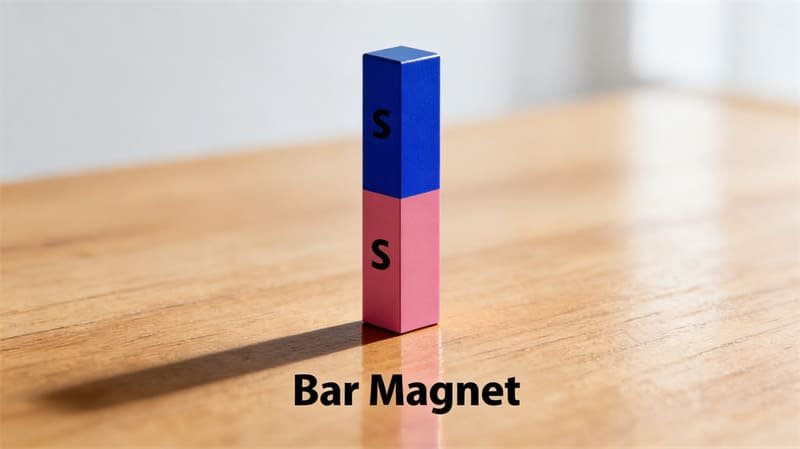
Neodymium (NdFeB)
Neodymium magnets deliver the highest magnetic strength available today. I rely on these magnets for applications that demand compact size and maximum power. Manufacturers create neodymium magnets by combining neodymium, iron, and boron. These magnets excel in electronics, motors, sensors, and renewable energy systems.
- Key features:
- Highest magnetic power (up to 13,000 Gauss)
- Lightweight and compact
- Suitable for miniaturized devices
- Maximum energy product: 42 MGOe
- Density: 7.4 g/cm³
- Maximum operating temperature: 80°C
I often choose neodymium magnets for electric vehicle motors, wind turbines, and advanced audio equipment. Their small size and strong pull force make them ideal for modern technology. Osenc specializes in custom neodymium magnet solutions, offering precision shapes and sizes for specialized industry needs.
💡 Tip: I select neodymium magnets when I need the strongest magnet in the smallest space.
Samarium Cobalt (SmCo)
Samarium cobalt magnets provide high magnetic strength and exceptional temperature stability. I use these magnets in environments where heat and corrosion resistance are critical. Manufacturers blend samarium and cobalt to produce magnets that withstand temperatures up to 350°C.
- Key features:
- High magnetic power (up to 11,000 Gauss)
- Superior temperature stability
- Maximum energy product: 28 MGOe
- Density: 8.4 g/cm³
- Maximum operating temperature: 350°C
- Highest resistance to corrosion
I rely on samarium cobalt magnets for aerospace, medical, and defense applications. Their ability to maintain magnetism under extreme conditions sets them apart. Osenc offers expertise in sourcing and customizing samarium cobalt magnets for demanding projects.
🚀 Note: I recommend samarium cobalt magnets for high-temperature and corrosive environments.
Alnico
Alnico magnets combine aluminum, nickel, and cobalt to deliver reliable performance at very high temperatures. I use these magnets in industrial sensors, electric guitar pickups, and measuring instruments. Alnico magnets retain magnetism up to 500°C, making them ideal for harsh environments.
- Key features:
- Strong magnetic field (up to 12,500 Gauss)
- Maximum energy product: 5.5 MGOe
- Density: 7.3 g/cm³
- Maximum operating temperature: 500°C
- Stable performance over time
I select alnico magnets for applications that require consistent magnetism and durability. Their stability and resistance to demagnetization make them a trusted choice in many industries.
🎸 Fun Fact: I often see alnico magnets in classic electric guitars, where they shape the instrument’s signature sound.
Comparative Table of Magnet Materials
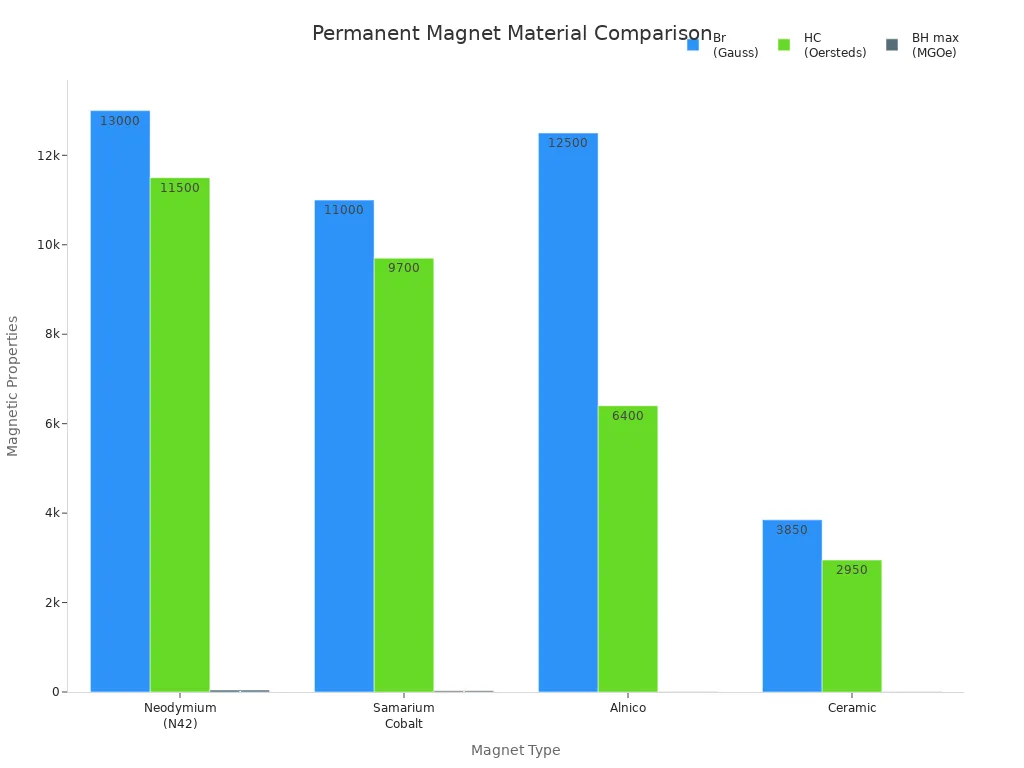
| Magnet Type | Br (Gauss) | HC (Oersteds) | BH max (MGoe) | Density (g/cm³) | Max Operating Temp | Temp Coefficient |
|---|---|---|---|---|---|---|
| Neodymium (N42) | 13,000 | 11,500 | 42 | 7.4 | 80°C | 0.11% |
| Samarium Cobalt | 11,000 | 9,700 | 28 | 8.4 | 350°C | 0.11% |
| Alnico | 12,500 | 6,400 | 5.5 | 7.3 | 500°C | -0.02% |
| Ceramic | 3,850 | 2,950 | 3.5 | 5 | 180°C | -0.2% |
Performance Differences
| Feature/characteristic | NdFeB magnets | SmCo magnets | Ferrite magnets |
|---|---|---|---|
| Magnetic power | Highest | High | Lowest |
| Size | Compact | Customized | Bulky |
| Cost | High | Very high | Economical |
| Temperature stability | Low | High | Normal |
| Corrosion resistance | Low | Highest | Resistant |
I always evaluate the specific needs of my project before selecting a magnet material. Osenc supports me with expert guidance and custom manufacturing for all types of magnets.
Ferrite/Ceramic
Ferrite magnets, also called ceramic magnets, are the most widely used type of magnet in the world. I choose these magnets for their affordability and reliable performance in many everyday products. Manufacturers create ferrite magnets by combining iron oxide with strontium or barium carbonate. This process results in a hard, brittle magnet that resists corrosion and works well in harsh environments.
I see ferrite magnets in many places. I find them in loudspeakers, refrigerator doors, magnetic assemblies, and electric motors. These magnets offer moderate magnetic strength and excellent stability over time. I rely on ferrite magnets when I need a magnet that performs well at temperatures up to 180°C. Their resistance to demagnetization makes them ideal for long-term use.
Key features of ferrite/ceramic magnets:
- High resistance to corrosion and chemicals
- Stable magnetic properties over time
- Moderate magnetic strength (up to 3,850 Gauss)
- Maximum operating temperature: 180°C
- Cost-effective for large-scale production
💡 Tip: I recommend ferrite magnets for projects that require a magnet with good durability and low cost.
Common applications for ferrite magnets:
- Loudspeakers and audio equipment
- Refrigerator and cabinet latches
- Magnetic separators in recycling plants
- Electric motors for appliances
- Magnetic assemblies for crafts and displays
I often compare ferrite magnets with other types of magnets to select the best option for my needs. Here is a table that summarizes the differences:
| Magnet Type | Magnetic Strength | Cost | Temperature Resistance | Corrosion Resistance |
|---|---|---|---|---|
| Ferrite/Ceramic | Moderate | Low | Up to 180°C | Excellent |
| Neodymium | Very High | High | Up to 80°C | Needs coating |
| Alnico | High | Medium | Up to 500°C | Good |
I trust ferrite magnets for their reliability in mass-produced items. These magnets do not require special coatings, which reduces manufacturing costs. I see ferrite magnets used in educational kits and science experiments because they are safe and easy to handle.
🛠️ Note: I always check the size and shape of the magnet before choosing ferrite magnets for my project. Their brittle nature means I must handle them with care.
Osenc supplies a wide range of ferrite magnets for industrial and consumer applications. I rely on Osenc for expert advice and fast delivery when I need magnets for large-scale production.
In summary, ferrite/ceramic magnets provide a balance of cost, durability, and performance. I select these magnets for projects that need a magnet with stable properties and resistance to harsh conditions.
Types of Magnets by Performance Needs
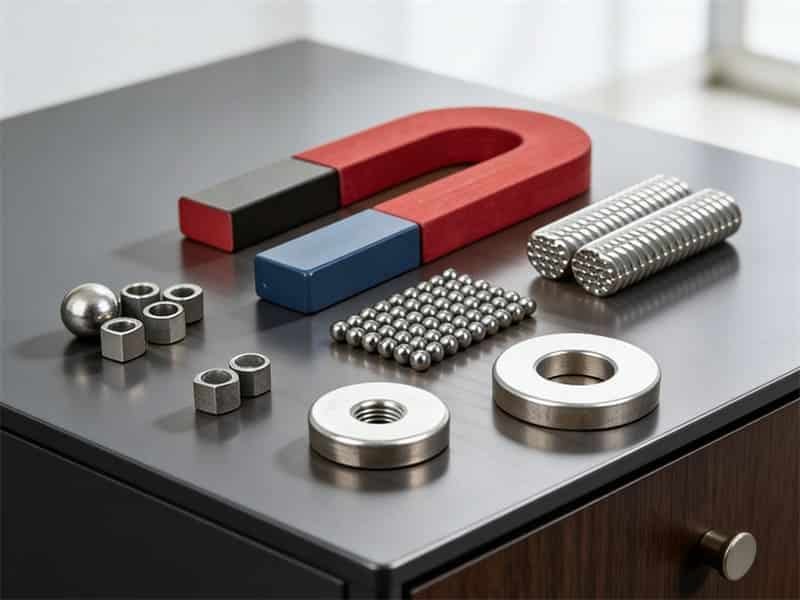
When I select a magnet for a project, I focus on three main performance needs: strength, temperature resistance, and durability. Each magnet type offers unique advantages for specific operational requirements.
1. Magnetic Strength
I choose a magnet based on the required pull force and size constraints.
- Neodymium magnets deliver the highest magnetic strength.
- Ferrite magnets provide moderate strength, suitable for everyday applications.
- Alnico magnets offer reliable performance for specialized uses.
2. Temperature Resistance
I consider the operating environment before selecting a magnet.
- Neodymium magnets maintain better performance in cold temperatures.
- Ferrite magnets excel in high-temperature settings but lose effectiveness in cold conditions.
- Samarium cobalt magnets withstand extreme heat, up to 350°C.
3. Durability and Corrosion Resistance
I evaluate the magnet’s exposure to moisture, chemicals, and wear.
- Neodymium magnets require protective coatings to prevent corrosion.
- Ferrite magnets resist corrosion naturally, making them ideal for outdoor and industrial use.
- Alnico magnets remain stable over time, even in harsh environments.
Tip: I always match the magnet’s grade and material to the demands of my application. This ensures optimal performance and longevity. 🛠️
Magnet Grades and Performance Table
| Grade | Max Operating Temp | Magnetic Strength | Typical Industries |
|---|---|---|---|
| N35 | 80°C (176°F) | Moderate | Consumer Electronics |
| N42SH | 150°C (302°F) | High | Aerospace, Medical Equipment |
| N30EH | 200°C (392°F) | Very High | Industrial, Aerospace |
I rely on this table to compare magnet grades for different performance needs. For example, I select N42SH magnets for medical equipment that requires high strength and elevated temperature tolerance.
Performance Needs by Application
- Refrigeration and Outdoor Use:
Neodymium magnets perform well in cold environments. - High-Temperature Machinery:
Ferrite magnets and samarium cobalt magnets excel in heat-intensive settings. - Corrosive Environments:
Ferrite magnets resist rust, while neodymium magnets need coatings.
💡 Note: I recommend consulting with Osenc when choosing a magnet for demanding industrial or scientific projects. Their expertise in custom magnet solutions helps me achieve precise results.
Quick Selection Checklist
- What strength does my application require?
- Will the magnet face extreme temperatures?
- Is corrosion a concern?
- Does the magnet need to be compact or large?
I answer these questions before making a final decision. This approach saves time and ensures I select the right magnet for every job.
Summary:
I match magnet type and grade to performance needs by evaluating strength, temperature resistance, and durability. This method guarantees reliable results in every industry, from consumer electronics to aerospace.
Permanent Magnets Explained
Neodymium Magnets
Features
Neodymium magnets deliver the highest magnetic strength available today. I rely on these magnets for compact designs and powerful performance. Manufacturers combine neodymium, iron, and boron to create a magnet with a maximum energy product of 42 MGOe and a density of 7.4 g/cm³. These magnets operate up to 80°C and require protective coatings for durability. Their small size and strong pull force make them ideal for advanced technology.
- Highest magnetic power (up to 13,000 Gauss)
- Lightweight and compact
- Tight manufacturing tolerances (as precise as +/- 0.005 mm)
- Require coatings for corrosion resistance
- Stable performance in cold environments
💡 Tip: I choose neodymium magnets when I need maximum strength in a small package.
Uses
Neodymium magnets power many modern devices and industrial systems. I see these magnets in electric vehicle motors, wind turbine generators, and audio equipment. They play a key role in transportation, including magnetic suspension trains and luxury car motors. I also use them in speakers, microphones, and hearing aids for clear sound reproduction.
- Electric and hybrid vehicle traction motors
- Wind turbine generators for efficient energy conversion
- Magnetic gears, brakes, and fixtures
- Audio devices like microphones and loudspeakers
- Magnetic suspension trains
Osenc specializes in custom neodymium magnet solutions for industries that demand precision and reliability.
Samarium Cobalt Magnets
Features
Samarium cobalt magnets offer high magnetic strength and exceptional temperature stability. I select these magnets for environments with extreme heat or corrosive conditions. Manufacturers blend samarium and cobalt to produce a magnet that operates up to 350°C and resists corrosion naturally. These magnets maintain stable magnetic properties over time.
- High magnetic power (up to 11,000 Gauss)
- Superior temperature stability (up to 350°C)
- Excellent resistance to corrosion
- Density of 8.4 g/cm³
- Reliable in harsh environments
🚀 Note: I recommend samarium cobalt magnets for aerospace, medical, and defense projects.
Uses
Samarium cobalt magnets excel in high-performance and demanding environments. I use these magnets in high-efficiency rotors, drive components, and electric motors. They support advanced sensor systems, actuators, and energy recovery systems. I also rely on them for magnetic couplings, separators, and industrial lifting. In aerospace, these magnets contribute to stealth technology and advanced equipment.
- High-performance motors and actuators
- Magnetic couplings and separators
- Sensor systems and energy recovery
- Stealth technology and aerospace components
- Industrial lifting devices
Osenc provides expertise in sourcing and customizing samarium cobalt magnets for specialized applications.
Alnico Magnets
Features
Alnico magnets combine aluminum, nickel, and cobalt for reliable performance at very high temperatures. I choose these magnets for stability and durability in harsh environments. They retain magnetism up to 500°C and offer a strong magnetic field of up to 12,500 Gauss. Their density is 7.3 g/cm³, and they resist demagnetization over time.
- Strong magnetic field (up to 12,500 Gauss)
- Maximum operating temperature: 500°C
- Stable performance and resistance to demagnetization
- Suitable for precision instruments
🎸 Fun Fact: I often see alnico magnets in electric guitar pickups, shaping the instrument’s sound.
Uses
Alnico magnets serve many consumer and industrial applications. I find these magnets in aerospace gyroscopes, automotive speedometers, and industrial motors. They support navigation equipment, loudspeakers, and microphones. Medical devices and scientific instruments also rely on alnico magnets for stable magnetic fields.
| Industry | Applications |
|---|---|
| Aerospace and Aviation | Gyroscopes, sensors, navigation equipment |
| Automotive Industry | Speedometers, tachometers, electric motors |
| Industrial Uses | Motors, generators, magnetic separators |
| Electronics and Telecommunications | Loudspeakers, microphones |
| Medical Devices | MRI equipment, medical implants |
| Scientific Instruments | Mass spectrometers, particle accelerators |
Osenc supplies high-quality alnico magnets for industries that require consistent and durable magnetic performance. 🧲
Ferrite Magnets
Features
Ferrite magnets stand out for their durability and cost-effectiveness. I see these magnets made from iron oxide mixed with strontium or barium carbonate. They resist corrosion and perform well in harsh environments. I rely on ferrite magnets for their thermal stability, which allows them to operate at temperatures up to 180°C. Their moderate magnetic strength makes them suitable for many everyday products. I notice that ferrite magnets are hard and brittle, so I handle them with care during installation.
Key features of ferrite magnets:
- High resistance to corrosion and chemicals
- Stable magnetic properties over time
- Moderate magnetic strength (up to 3,850 Gauss)
- Maximum operating temperature: 180°C
- Cost-effective for large-scale production
- Hard and brittle structure
💡 Tip: I choose ferrite magnets for projects that need reliable performance and low cost.
Uses
I use ferrite magnets in a wide range of applications. Their versatility and affordability make them a popular choice in electronics, household items, and industrial settings. Here are the main uses I encounter:
- Electric Motors and Generators: I find ferrite magnets in home appliances, fans, and car systems. They are essential for DC motors, AC motors, and stepper motors because of their thermal stability.
- Speaker Systems and Audio Tools: I rely on these magnets in speakers, headphones, and microphones. They help convert electrical energy into sound and offer adequate magnetic strength at a low price.
- Magnetic Separation and Holding: I use ferrite magnets in recycling and food processing. They are key in magnetic separators and holding tools like door latches.
- Automotive Use: I see ferrite magnets in car components such as ABS systems and electric windows. They perform reliably under challenging conditions.
- Consumer Products and Magnetic Assemblies: I use ferrite magnets in refrigerator magnets and toys. Their low cost and versatility make them ideal for mass-produced items.
- Electronic Parts and Components: I rely on ferrite magnets for transformer cores and inductors. They are crucial for devices like televisions and radios due to their efficiency at high frequencies.
- Natural Renewable Energy: I find ferrite magnets in wind turbine generators. They provide a cost-effective solution for renewable energy applications.
🛠️ Note: I trust Osenc to supply ferrite magnets for my industrial and consumer projects. Their expertise ensures I get the right magnet for every application.
Flexible Rubber Magnets
Features
Flexible rubber magnets combine magnetic power with the ability to bend and shape. I see these magnets made by mixing ferrite powder with rubber polymers. This process gives them flexibility and durability. I use flexible rubber magnets in environments where traditional magnets cannot adapt. Their rubber coating protects them from corrosion and allows use in humid or outdoor settings. I value their lightweight design and ease of installation.
Main features of flexible rubber magnets:
- Flexible and bendable structure
- Moderate magnetic strength
- Resistant to corrosion and moisture
- Lightweight and easy to cut or shape
- Safe for use in sensitive environments
🎨 Tip: I select flexible rubber magnets for projects that require both strength and adaptability.
Uses
I rely on flexible rubber magnets for a variety of practical applications. Their versatility makes them ideal for signage, crafts, industrial settings, and more. Here is a table that summarizes their most common uses:
| Application Category | Specific Uses |
|---|---|
| Signage and Promotional | Custom-printed magnets for promotional items, temporary signage for indoor/outdoor use |
| Industrial Applications | Door seals, magnetic strips, automotive applications, organizing tools |
| Crafts and DIY Projects | Magnetic whiteboards, teaching aids, office organizers |
| Home and Kitchen | Refrigerator magnets, magnetic knife holders |
| Retail Displays | Magnetic displays and signs for retail environments |
| Warehouse and Storage | Labeling and organizing products in storage facilities |
| Electronics and Engineering | Magnetic sensors, electromagnetic shielding |
I use flexible rubber magnets to create magnetic displays, organize tools, and label products in warehouses. In my experience, these magnets excel in crafts and DIY projects, making teaching aids and office organizers simple to produce. I also rely on them for automotive door seals and magnetic strips.
🏆 Note: Osenc offers flexible rubber magnets that meet my specific requirements for shape, size, and performance. Their customization options help me tackle unique challenges in industrial and commercial projects.
Temporary Magnets Overview
Characteristics
Temporary magnets only exhibit magnetism when exposed to an external magnetic field. I see these magnets in action when I need a magnetic field that can be switched on and off. The defining characteristic is their ability to activate and deactivate based on electric current. When I run current through a coil of wire, the magnet forms instantly. If I stop the current, the magnet loses its power. This feature makes temporary magnets ideal for applications that require precise control.
I often use coils of wire to create these magnets. Wrapping the coil around a ferromagnetic core, such as iron or steel, strengthens the magnetic field. Sometimes, the core retains a small amount of magnetism after the current stops, but most of the time, the effect disappears quickly. I rely on this property for devices that need a strong magnetic field for a short period.
Here is a table that summarizes the main characteristics:
| Characteristic | Description |
|---|---|
| Ability to be turned on/off | I can activate or deactivate the magnet with electric current, which gives me flexibility. |
| Use of coils of wire | I create magnets by winding wire into coils and running current through them. |
| Enhancement with ferromagnetic core | Wrapping coils around iron or steel boosts the magnetic field, sometimes causing residual magnetism. |
💡 Tip: I choose temporary magnets for projects that demand rapid switching and precise control over the magnetic field.
Osenc supports my work by providing expert advice on selecting the right magnet for each application, including temporary magnets for specialized industrial needs.
Uses
Temporary magnets play a vital role in modern technology and industry. I use these magnets in electric motors, generators, and devices that require a magnetic field only when needed. Their ability to switch on and off makes them essential in many systems.
I often find temporary magnets in the following applications:
- Electric motors for vehicles and appliances
- Generators that convert mechanical energy to electrical energy
- Relays and electro-mechanical solenoids for switching circuits
- Loudspeakers that produce sound by moving a coil within a magnetic field
- Magnetic separation equipment for sorting metals in recycling plants
- Maglev trains that use powerful magnets for levitation and propulsion
- MRI machines in hospitals for non-invasive imaging
- Transformers that transfer electrical energy between circuits
- Magnetic locks for secure access control
- Industrial lifting equipment for moving heavy iron and steel scrap
I rely on temporary magnets for tasks that require strong, controllable magnetic fields. Their versatility allows me to design systems that operate efficiently and safely. In educational settings, I use these magnets to demonstrate electromagnetic principles and teach students about the relationship between electricity and magnetism.
🚀 Note: I trust Osenc to deliver high-quality magnets for industrial and educational projects. Their expertise ensures I get the right magnet for every use case.
Temporary magnets give me the flexibility to create, control, and remove magnetic fields as needed. I select them for applications where permanent magnets cannot provide the required level of control or adaptability.
Electromagnets Overview
How Electromagnets Work
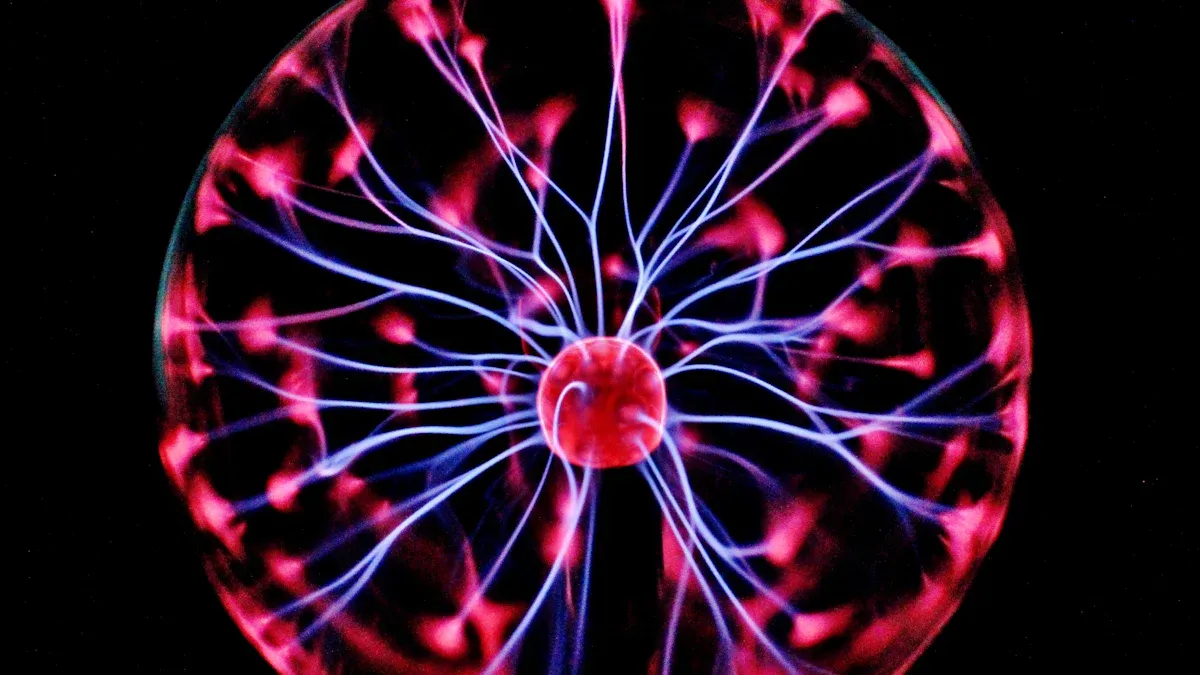
Electromagnets work by using electric current to create a magnetic field. I wind insulated copper wire around a metal rod, forming a solenoid. When I switch on the current, the wire generates a magnetic field that aligns the atoms inside the metal core. The strength of the magnet depends on the number of wire coils and the material of the core. Ferromagnetic materials like iron boost the magnetic effect. I can adjust the field strength by changing the current or the number of coils.
- I use copper wire for conductivity.
- I wrap the wire around a metal rod to form a solenoid.
- I increase the number of coils to strengthen the magnet.
- I select iron cores to maximize the magnetic field.
💡 Tip: I control the magnet’s power by adjusting the electric current. This flexibility makes electromagnets ideal for many applications.
Key Features
Electromagnets offer dynamic control and safety advantages over permanent magnets. I can turn the magnet on or off by controlling the current. I adjust the field strength for different tasks. Electromagnets achieve higher strengths than most permanent magnets. I assemble devices safely because the magnet is inactive until powered. Electromagnets do not risk demagnetization like permanent magnets.
- I turn the magnet on and off for safety and efficiency.
- I adjust the magnetic field strength as needed.
- I achieve higher strengths for demanding applications.
- I assemble devices without magnetic interference.
- I avoid demagnetization risks.
| Feature | Electromagnets | Permanent Magnets |
|---|---|---|
| Field Control | Adjustable | Fixed |
| Power Requirement | Needs electric current | No power needed |
| Safety | Can be turned off | Always active |
| Strength Potential | Very high | Limited by material |
| Demagnetization Risk | None | Possible over time |
🚦 Note: I rely on electromagnets for tasks that require precise control and high strength. Osenc provides expert advice on selecting the right magnet for advanced applications.
Uses
Electromagnets power critical systems in transportation, medicine, and industry. I see these magnets in maglev trains, which use them for levitation and propulsion, reaching speeds over 300 mph with minimal friction. Electric and hybrid vehicles use magnets in motors and regenerative braking systems, improving efficiency by up to 30%. MRI machines rely on powerful magnets to produce detailed images for diagnostics. Radiation therapy equipment uses magnets to direct beams with pinpoint accuracy. Industrial cranes use magnets to lift and move heavy ferromagnetic materials safely.
- Maglev trains: I use magnets for high-speed, frictionless travel.
- Electric vehicles: I rely on magnets for efficient motors and braking.
- MRI machines: I trust magnets for clear medical imaging.
- Radiation therapy: I use magnets for precise treatment delivery.
- Industrial lifting: I depend on magnets for moving heavy materials.
I also use magnets in automated people movers, trams, and cable cars for propulsion and emergency braking. Medical procedures like Transcranial Magnetic Stimulation (TMS) use magnets to treat neurological disorders. Osenc supports my work by offering custom magnet solutions for these advanced systems.
🏗️ Alert: I select magnets based on the demands of each application, ensuring safety, efficiency, and reliability.
Comparing Different Types of Magnets (Fast Selection)
Strength & Durability
Neodymium magnets deliver the highest magnetic strength, but they are less durable in harsh environments. I rely on samarium cobalt magnets for demanding applications because they maintain strength against environmental challenges. Alnico magnets offer reliable performance and temperature stability, making them a trusted choice in older systems. Ferrite magnets provide stable operation at a lower cost, suitable for household uses where high magnetic power is not required.
| Magnet Type | Maximum Energy Product (MGOe) | Durability Characteristics |
|---|---|---|
| Neodymium | Extremely powerful | More vulnerable to external factors, less durable in harsh conditions |
| Samarium Cobalt | 14 to 32 | Maintains strength better against environmental challenges, suitable for demanding applications |
| Alnico | 4 to 12 | Temperature-stable and durable, reliable in older systems and industrial devices |
| Ferrite (Ceramic) | 1.2 to 1.6 | Low-cost, stable operation, used in household applications |
💡 Tip: I select neodymium magnets for compact designs needing maximum power. For durability, I choose samarium cobalt or alnico magnets. Ferrite magnets work best for cost-effective, everyday solutions.
Osenc supports my projects with custom magnet solutions, ensuring I get the right balance of strength and durability.
Temperature resistance
Samarium cobalt magnets withstand the highest temperatures, followed by alnico and ferrite magnets. Neodymium magnets lose strength above 80°C unless I use special grades. I always check the maximum working temperature before selecting a magnet for high-heat environments.
| Material | Grade | Curie Temp (°C) | Max Working Temp (°C) |
|---|---|---|---|
| Alnico | 5 | 900 | N/A |
| Sm2Co17 | 27 MGOe | 810 | N/A |
| Sintered NdFeB | N38SH | 312 | 150 |
| Hard Ferrite | C8 | 450 | N/A |
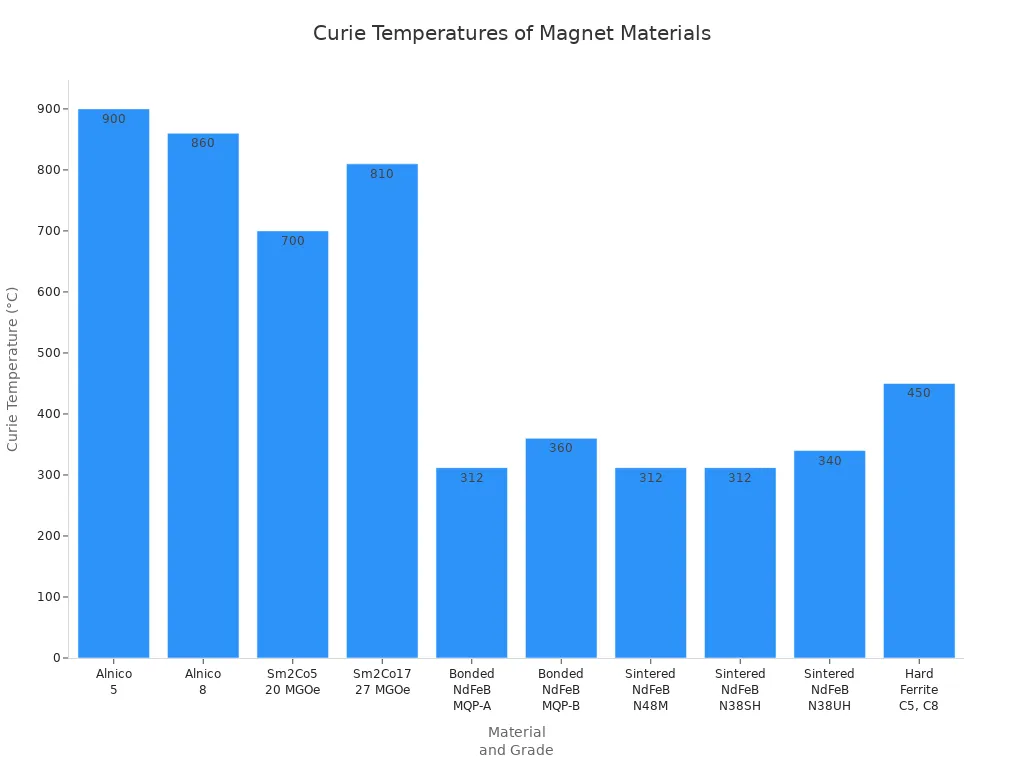
🚦 Note: I use samarium cobalt magnets for aerospace and medical devices exposed to extreme heat. Alnico magnets perform well in industrial sensors. Ferrite magnets suit appliances and electronics with moderate temperature demands.
Osenc offers expert advice on selecting magnets with the right temperature resistance for my application.
Corrosion resistance
Ferrite magnets provide excellent corrosion resistance, while neodymium magnets require protective coatings. I find samarium cobalt magnets naturally resist corrosion, making them ideal for harsh environments. Alnico magnets offer good resistance but may need extra protection in wet conditions.
| Magnet Type | Corrosion Resistance Level | Typical Applications |
|---|---|---|
| Neodymium | Low (needs coating) | Electronics, motors, sensors |
| Samarium Cobalt | High | Aerospace, medical, defense |
| Alnico | Moderate | Industrial, automotive, sensors |
| Ferrite | Excellent | Household, outdoor, automotive |
- Neodymium magnets are prone to corrosion due to their oxidizing nature.
- I always use surface protection to extend the service life of neodymium magnets.
- Ferrite magnets resist rust naturally, reducing maintenance costs.
🛡️ Alert: I choose ferrite magnets for outdoor and humid environments. For high-performance needs, I select samarium cobalt magnets. I never overlook protective coatings for neodymium magnets in critical applications.
Osenc helps me navigate corrosion challenges by offering magnets with advanced coatings and material options.
Cost & Availability
The cost and availability of each magnet type vary widely based on composition and market demand. I always consider these factors before selecting a magnet for my project.
- Neodymium magnets usually cost between $0.10 and $10 per piece. The price depends on size, grade, and coating. Neodymium is a rare earth element, with global prices around $68.05 per kilogram. These magnets are widely available due to their popularity in electronics and renewable energy.
- Samarium cobalt magnets range from $1 to $100 or more per piece. The higher cost reflects the rarity of samarium and cobalt. I find these magnets less common, but essential for high-temperature and corrosive environments.
- Alnico magnets fall in the mid-range, with prices typically between $0.50 and $20 per piece. Their availability is steady, especially for industrial and musical applications.
- Ferrite magnets offer the most economical option, often priced from $0.05 to $5 per piece. Manufacturers produce these magnets in large quantities, making them easy to source for mass-market products.
💡 Tip: I always match the magnet’s cost to the project’s budget and performance needs. Osenc helps me find the right balance between price and quality, especially for custom magnet solutions.
Global availability remains strong for neodymium and ferrite magnets. I see samarium cobalt magnets in specialized markets, while alnico magnets maintain steady supply for niche uses. I recommend checking lead times for large orders, as rare earth supply chains can fluctuate.
Typical applications
Each magnet type excels in specific industry applications. I rely on the following table to guide my selection process:
| Type of Magnet | Composition | Common Applications |
|---|---|---|
| Ceramic Magnets | Iron, Strontium, Barium, Calcium | Used in primary magnets for mass attraction and high-temperature applications. |
| Alnico Magnets | Aluminum, Nickel, Cobalt, Iron | Used in high-temperature applications (up to 1000°F), sensors, and musical devices. |
| Samarium Cobalt | Samarium, Cobalt, Iron | Used in high-temperature environments requiring strong magnets, aerospace, and medical. |
| Neodymium Magnets | Neodymium, Iron | Essential for strong, compact applications like hard drives, electric motors, and wind turbines. |
I use ceramic magnets for large-scale separation and holding tasks. Alnico magnets work best in sensors and electric guitar pickups. Samarium cobalt magnets support aerospace and medical devices that demand reliability under extreme conditions. Neodymium magnets power electric vehicles, wind turbines, and compact electronics.
- I select neodymium magnets for high-performance motors and data storage.
- I choose ferrite magnets for cost-effective solutions in speakers and household appliances.
- I rely on alnico magnets for precision instruments and audio equipment.
- I trust samarium cobalt magnets for critical aerospace and medical systems.
🏆 Note: Osenc provides expert guidance on matching magnet type to application, ensuring I achieve optimal results for every industry.
In summary, I always evaluate cost, availability, and application before choosing a magnet. This approach guarantees efficiency and reliability in my projects.
Types of Magnets by Industry Use Cases
Automotive
Magnets drive innovation in the automotive industry. I see magnet technology in electric vehicles, hybrid cars, and advanced safety systems. Manufacturers use neodymium magnets for traction motors because they deliver high torque in compact spaces. Permanent magnet synchronous motors (PMSM) improve efficiency by up to 15% compared to traditional motors. I rely on ferrite magnets for sensors and actuators in anti-lock braking systems (ABS) and power windows. Alnico magnets support speedometers and ignition systems due to their temperature stability.
Key automotive magnet applications:
- Electric vehicle traction motors
- Hybrid car regenerative braking
- ABS sensors and actuators
- Power steering and window motors
- Speedometers and ignition systems
| Magnet Type | Automotive Use Case | Benefit |
|---|---|---|
| Neodymium | Traction motors | High torque, compact design |
| Ferrite | ABS sensors, actuators | Cost-effective, durable |
| Alnico | Speedometers, ignition | Stable at high temperatures |
🚗 Tip: I select the right magnet for each automotive system to maximize performance and reliability. Osenc provides custom magnet solutions for electric mobility and safety technologies.
Medical
Magnets play a critical role in medical devices and diagnostics. I use neodymium magnets in MRI machines because they generate strong, stable magnetic fields for high-resolution imaging. Superconducting magnets enable non-invasive procedures like magnetic resonance imaging and magnetoencephalography (MEG). I rely on samarium cobalt magnets for surgical instruments and implantable devices due to their corrosion resistance and biocompatibility. Ferrite magnets support blood flow sensors and infusion pumps.
Common medical magnet applications:
- MRI and MEG machines
- Surgical instruments
- Implantable medical devices
- Blood flow sensors
- Infusion pumps
| Magnet Type | Medical Device | Advantage |
|---|---|---|
| Neodymium | MRI, MEG | Strong, stable field |
| Samarium Cobalt | Implants, instruments | Corrosion-resistant, safe |
| Ferrite | Sensors, pumps | Reliable, affordable |
🏥 Note: I choose magnets based on safety, strength, and compatibility with human tissue. Osenc supports medical innovation with precision magnet manufacturing and technical expertise.
Electronics
Magnets power the heart of modern electronics. I use neodymium magnets in hard drives, speakers, and microphones because they offer unmatched magnetic strength in small packages. Ferrite magnets appear in transformer cores and inductors, providing stable performance at high frequencies. Alnico magnets support sensors and precision measuring instruments. I see flexible rubber magnets in cable management and mounting solutions for consumer electronics.
Key electronics magnet applications:
- Hard disk drives and SSDs
- Loudspeakers and microphones
- Transformer cores and inductors
- Sensors and measuring devices
- Cable management and mounting
| Magnet Type | Electronics Use Case | Feature |
|---|---|---|
| Neodymium | Hard drives, speakers | High strength, compact size |
| Ferrite | Transformers, inductors | Stable at high frequencies |
| Alnico | Sensors, instruments | Precision, temperature stable |
| Flexible Rubber | Cable management | Bendable, easy to install |
💡 Alert: I match magnet type to device requirements for optimal performance and longevity. Osenc delivers custom magnets for electronics, ensuring tight tolerances and reliable supply.
Industrial & Manufacturing
Magnets drive efficiency and innovation in industrial and manufacturing environments. I use a magnet to automate processes, improve safety, and increase productivity. In my experience, magnets play a vital role in assembly lines, robotics, and heavy machinery.
Key uses of magnets in industrial settings:
- Lifting and handling heavy metal parts
- Magnetic separation of ferrous materials from non-ferrous
- Holding and positioning components during welding or assembly
- Magnetic conveyors for moving products efficiently
- Robotics and automation for precise movement and gripping
🏭 Tip: I always select a magnet based on the specific task. For example, I use a powerful neodymium magnet for lifting steel plates, while I choose a ferrite magnet for separating scrap metal.
Types of magnets I rely on in manufacturing:
| Magnet Type | Typical Application | Benefit |
|---|---|---|
| Neodymium | Lifting, robotics, sensors | High strength, compact size |
| Ferrite | Magnetic separation, conveyors | Cost-effective, durable |
| Alnico | Positioning, holding tools | Stable at high temperatures |
| Electromagnet | Automated lifting, sorting | On/off control, adjustable |
I see magnets used in quality control systems. A magnet can detect metal contaminants in food processing or pharmaceuticals. I also use magnets in packaging lines to align and hold products in place.
Why do I trust magnets in manufacturing?
- Reliability: Magnets provide consistent performance with minimal maintenance.
- Safety: A magnet reduces manual handling, lowering injury risk.
- Speed: Magnets enable faster assembly and material movement.
💡 Note: I often consult Osenc for custom magnet solutions. Their expertise helps me choose the right magnet for specialized machinery or unique production challenges.
Consumer & Retail (optional)
Magnets enhance convenience and creativity in consumer and retail products. I find a magnet in many everyday items, from refrigerator doors to smartphone cases. Magnets make products easier to use and more attractive to customers.
Common consumer and retail uses for magnets:
- Magnetic closures for bags, jewelry, and phone cases
- Refrigerator magnets for decoration and reminders
- Magnetic toys and educational kits
- Point-of-sale displays using magnets for easy setup
- Magnetic hooks and organizers for home and office
Benefits of using magnets in consumer products:
- Ease of use: Magnets allow quick attachment and removal.
- Design flexibility: A magnet can be hidden or integrated into products.
- Durability: Magnets last for years without losing strength.
| Product Type | Magnet Application | User Benefit |
|---|---|---|
| Home organization | Magnetic hooks, racks | Easy storage, no drilling |
| Fashion accessories | Magnetic clasps | Secure, simple fastening |
| Retail displays | Magnetic signage | Fast setup, repositionable |
| Toys & games | Magnetic building blocks | Safe, creative play |
🎁 Alert: I always recommend testing a magnet in prototypes to ensure the best user experience. Osenc offers sample magnets for product development, which helps me refine my designs.
In summary, magnets are essential in both industrial and consumer markets. I rely on the right magnet to improve efficiency, safety, and user satisfaction across every application.
How to Choose the Right Magnet
Environment: temperature / humidity / chemicals
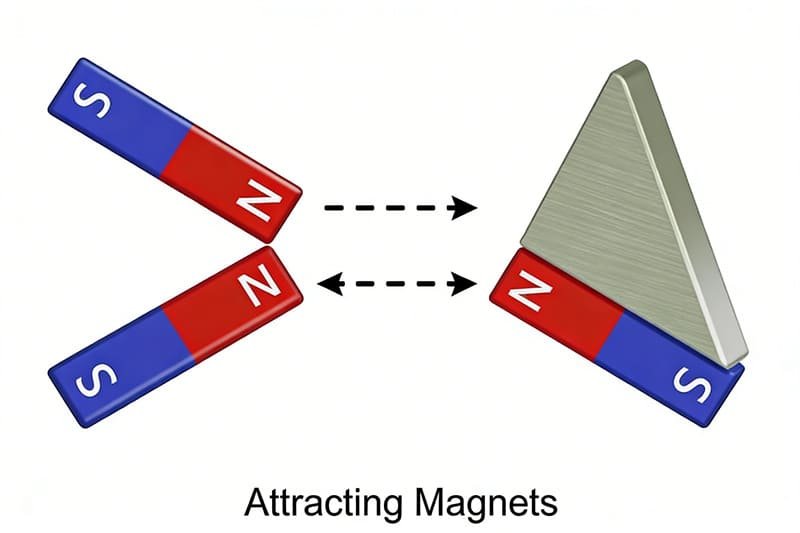
I always evaluate the environment before selecting a magnet. The operating temperature, humidity, and exposure to chemicals directly affect magnet performance and lifespan. I check the maximum operating temperature and Curie temperature for each magnet. High humidity or corrosive chemicals can degrade magnets quickly. I avoid placing magnets in environments where they might react with surrounding materials.
Key environmental factors to consider:
- Temperature:
- Magnets have a maximum operating temperature.
- Exceeding this temperature causes magnets to lose strength or become demagnetized.
- Humidity:
- Moisture can cause corrosion, especially in neodymium magnets.
- Chemicals:
- Exposure to acids, alkalis, or solvents may damage magnets or coatings.
- Vibration:
- Repeated vibration can weaken magnets over time.
💡 Tip: I always analyze environmental conditions before choosing a magnet for industrial or consumer use. Osenc provides guidance on selecting magnets for harsh environments.
Performance: pull force / size limits / tolerance
I define the required performance for each magnet application. I calculate the minimum pull force needed to hold, lift, or move objects. I measure the available space to ensure the magnet fits within design limits. I specify tolerances for precision tasks, especially in electronics or medical devices.
Performance checklist for magnet selection:
- Required Holding Force:
I determine the exact force the magnet must exert for the task. - Size Limits:
I measure the space and select a magnet that fits without interfering with other components. - Tolerance:
I specify manufacturing tolerances, especially for micro magnets with tight requirements.
| Performance Factor | Description | Example Application |
|---|---|---|
| Pull Force | Minimum force needed to hold objects | Industrial lifting magnets |
| Size Limits | Maximum dimensions allowed | Electronics, sensors |
| Tolerance | Precision in manufacturing | Medical devices, micro magnets |
🏆 Note: I always match magnet performance to the application. Osenc offers custom magnets with precise tolerances for specialized needs.
Coatings & protection: Ni/Zn/Epoxy/Rubber coating
I select the right coating to protect magnets from corrosion and wear. Neodymium magnets need protective coatings because they oxidize easily. I choose nickel (Ni), zinc (Zn), epoxy, or rubber coatings based on the environment and application.
Common magnet coatings and their benefits:
- Nickel (Ni):
Provides a shiny finish and moderate corrosion resistance. - Zinc (Zn):
Offers basic protection against moisture and chemicals. - Epoxy:
Delivers strong resistance to chemicals and abrasion. - Rubber:
Adds flexibility and shields magnets from impact and corrosion.
| Coating Type | Protection Level | Typical Use Case |
|---|---|---|
| Nickel | Moderate | Electronics, consumer products |
| Zinc | Basic | General industrial use |
| Epoxy | High | Medical, automotive, harsh environments |
| Rubber | Excellent | Flexible magnets, outdoor use |
🚨 Alert: I always verify the coating type before installing magnets in demanding environments. Osenc supplies magnets with advanced coatings for maximum durability.
Safety tips
I always prioritize safety when working with any magnet or magnets. Mishandling can cause injuries, equipment damage, or loss of magnet performance. I follow strict guidelines to protect myself and others in the workspace.
Essential safety tips for handling magnets:
- Wear protective gear:
I use gloves and safety glasses when handling strong magnets. This prevents pinching injuries and shields my eyes from flying fragments. - Keep magnets away from electronics:
I store magnets far from computers, credit cards, and medical devices. A magnet can erase data or disrupt sensitive equipment. - Avoid swallowing magnets:
I keep magnets out of reach of children and pets. Swallowing more than one magnet can cause serious internal injuries. - Handle large magnets with care:
I use both hands and proper lifting techniques for heavy magnets. A magnet can snap together with another magnet or metal, causing severe injury. - Maintain a safe distance:
I keep magnets separated when not in use. Strong magnets attract each other quickly, which can result in broken magnets or pinched fingers. - Inspect magnets regularly:
I check magnets for cracks, chips, or corrosion. Damaged magnets lose strength and may break during use. - Store magnets securely:
I use non-magnetic containers and label storage areas. This prevents accidental contact and keeps magnets organized. - Follow manufacturer instructions:
I read all safety guidelines provided by Osenc and other suppliers. Each magnet type has unique handling requirements.
Common risks and prevention strategies:
| Risk | Prevention Strategy |
|---|---|
| Pinched fingers | Wear gloves, handle magnets slowly |
| Damaged electronics | Store magnets away from devices |
| Swallowed magnets | Keep magnets away from children and pets |
| Broken magnets | Inspect and store magnets properly |
| Eye injuries | Use safety glasses when handling magnets |
⚠️ Tip: I never use a magnet near pacemakers or other medical implants. A magnet can interfere with device operation.
I always remember that magnets can be unpredictable. Even a small magnet can jump several inches to another magnet or metal object. I keep my workspace clear and organized to reduce accidents. I use tools like plastic spacers to separate magnets safely.
I follow these rules to ensure safe and efficient use of every magnet. Osenc provides detailed safety instructions with each magnet shipment, which helps me maintain best practices in my projects.
🧲 Note: I treat every magnet with respect, regardless of size or strength. Proper safety measures protect me, my equipment, and the performance of my magnets.
Where to Buy Magnets
When I need a magnet for any project, I always look for a supplier that offers both quality and customization. The best place to buy a magnet is from a specialized manufacturer or supplier with a proven track record. I trust suppliers who provide technical support, fast delivery, and a wide selection of magnets for different industries.
What we can customize: grade, coating, size, magnetization direction, assemblies
I can customize a magnet to fit my exact needs. Here are the main options I consider:
- Grade: I select the grade based on the required magnetic strength and temperature resistance. For example, N35, N42, and N52 are common neodymium magnet grades. Each grade offers a different balance of power and heat tolerance.
- Coating: I choose a coating to protect the magnet from corrosion and wear. Nickel, zinc, epoxy, and rubber coatings are available. The right coating extends the magnet’s lifespan, especially in harsh environments.
- Size: I specify the exact dimensions for my magnet. I can order micro magnets as small as 0.5 mm or large magnets up to 300 mm. This flexibility ensures the magnet fits perfectly in my application.
- Magnetization Direction: I decide how the magnet is magnetized. Axial, diametric, and radial magnetization are common options. The direction affects how the magnet interacts with other magnets and metal objects.
- Assemblies: I request custom assemblies that combine magnets with metal or plastic parts. This option saves time and improves performance in complex systems.
💡 Tip: I always discuss my requirements with the supplier before placing an order. This step helps me avoid mistakes and ensures I get the right magnet for my project.
Here is a quick table summarizing customization options:
| Customization Option | Example Choices | Why It Matters |
|---|---|---|
| Grade | N35, N42, N52 | Determines strength and temperature |
| Coating | Nickel, Zinc, Epoxy, Rubber | Protects against corrosion and wear |
| Size | 0.5 mm to 300 mm | Fits specific design requirements |
| Magnetization Direction | Axial, Diametric, Radial | Affects magnetic field orientation |
| Assemblies | With steel, plastic, adhesives | Simplifies installation and use |
When I need a magnet for a unique application, I turn to Osenc. Osenc offers free samples, no minimum order quantity, and lifetime technical support. I value their ability to deliver custom magnets with tight tolerances and advanced coatings.
To buy a magnet, I follow these steps:
- Define the application and performance needs.
- Choose the magnet type and grade.
- Select the coating and size.
- Specify the magnetization direction.
- Request custom assemblies if needed.
- Contact a trusted supplier like Osenc for expert advice and a quote.
🛒 Note: I always compare suppliers based on quality certifications, customization options, and customer service. Osenc stands out for its ISO9001 and ISO16949 certifications, which guarantee high standards.
In summary, I buy magnets from suppliers who offer customization, technical support, and proven quality. This approach ensures my magnet meets every requirement for strength, durability, and performance. When I need a magnet that fits my exact needs, I rely on Osenc for professional solutions and fast delivery. 🧲
Why Choose Osenc Magnet
When I select a magnet for my project, I look for reliability, precision, and expert support. Osenc magnet solutions deliver all three. I trust Osenc because they offer magnets that meet strict ISO9001 and ISO16949 certifications. These standards guarantee consistent quality and performance.
Why do I choose Osenc magnet for my applications?
- Custom magnet design: I get magnets in any shape or size, from micro magnets with ±0.005 mm tolerance to large magnets up to 300 mm.
- No minimum order: I order a single magnet or thousands, depending on my needs.
- Free samples: I test a magnet before committing to a full order.
- Fast delivery: Osenc keeps a large inventory, so I receive magnets quickly, even for urgent projects.
My experience: I have worked with many suppliers, but Osenc magnet always stands out for their technical support and attention to detail. Their team helps me select the right magnet for every environment, whether I need corrosion-resistant magnets for outdoor use or high-strength magnets for compact electronics.
What makes Osenc magnet different from other brands?
| Feature | Osenc Magnet | Other Suppliers |
|---|---|---|
| Customization Options | Extensive | Limited |
| Technical Support | Lifetime | Varies |
| Warranty | 3 Years | 1 Year |
| Certifications | ISO9001, ISO16949 | Not always available |
| Sample Availability | Free | Often paid |
I rely on Osenc magnet for projects in automotive, medical, and industrial sectors. Their magnets power electric vehicle motors, MRI machines, and robotic automation. I see measurable results, such as a 15% increase in motor efficiency and improved safety in manufacturing lines.
How does Osenc magnet improve my workflow?
- Expert guidance: I receive advice on magnet grade, coating, and magnetization direction.
- Advanced coatings: I choose nickel, zinc, epoxy, or rubber coatings for maximum protection.
- Assembly support: I request magnets pre-assembled with steel or plastic parts, saving time.
🧲 Tip: I always consult Osenc magnet when I need a magnet for a unique challenge. Their engineers use simulation tools to analyze magnet behavior, ensuring I get the best solution.
Why do I recommend Osenc magnet to other professionals?
- Consistent quality: Every magnet meets my specifications.
- Flexible ordering: I avoid delays and get magnets tailored to my timeline.
- Industry expertise: Osenc magnet has over 20 years of experience, which shows in every interaction.
I trust Osenc magnet to help me realize complex designs and deliver reliable results. Their commitment to customer satisfaction makes them my first choice for any magnet project.
I explored the essential types of magnets and their uses across industries. I always match the right magnet to each application for optimal results. Here is a quick summary:
- Permanent magnets: Reliable for motors and electronics.
- Temporary magnets: Useful in devices needing switchable fields.
- Electromagnets: Ideal for high-strength, controllable tasks.
Choosing wisely ensures safety, efficiency, and innovation. For advanced solutions, I recommend exploring Osenc’s neodymium magnet options. 🚀
Ready to learn more? Dive deeper into the world of advanced magnetic technologies.
FAQ
What are the main types of magnets I use in industry?
I use permanent, temporary, and electromagnets most often.
- Permanent: Reliable, long-lasting
- Temporary: Magnetized only when needed
- Electromagnets: Controlled by electric current
🧲
How do I choose the right magnet for my project?
I match magnet type to application needs.
- Strength required
- Temperature range
- Corrosion resistance
- Size and shape
I consult Osenc for expert advice on custom solutions.
What is the strongest magnet available?
Neodymium magnets deliver the highest magnetic strength, up to 13,000 Gauss.
I select these for compact designs and maximum pull force.
Osenc specializes in precision neodymium magnets for advanced applications.
💪
Which magnet works best in high temperatures?
| Magnet Type | Max Temp (°C) |
|---|---|
| Samarium Cobalt | 350 |
| Alnico | 500 |
| Ferrite | 180 |
| Neodymium | 80 |
I use samarium cobalt or alnico magnets for heat-intensive environments.
🔥
How do coatings protect magnets?
Coatings prevent corrosion and extend magnet life.
- Nickel: Shiny, moderate protection
- Zinc: Basic moisture resistance
- Epoxy: Strong chemical shield
- Rubber: Flexible, impact-resistant
I request custom coatings from Osenc for harsh conditions.
Can I order magnets in custom shapes and sizes?
Yes, I order magnets in any shape or size.
Osenc offers micro magnets (±0.005 mm tolerance) and large magnets (up to 300 mm).
I specify dimensions, grade, and magnetization direction for each project.
📏
Are magnets safe to use around electronics and medical devices?
I keep magnets away from sensitive electronics and medical implants.
Magnets can erase data or disrupt device operation.
I follow safety guidelines and consult Osenc for best practices.
⚠️
Where can I buy high-quality magnets for my business?
I buy magnets from specialized suppliers with ISO9001 and ISO16949 certifications.
Osenc provides free samples, no minimum order, and lifetime technical support.
I trust their expertise for automotive, medical, and industrial projects.
🛒