Neodymium Magnets

Standard and custom NdFeB magnets for OEM, industrial, medical, automation, motor, sensor, and magnetic assembly applications.
✓ High Performance

✓ Reliable Quality

✓ Custom Solutions

Standard & Custom Shapes

Wide range of shapes and sizes

Grades from N35 to N55

Multiple grade options available

Multiple Coating Options

NiCuNi, Zinc, Epoxy, Parylene and more

Sample to Volume Production

Flexible from prototype to bulk orders

NdFeB Magnet Guide

What Are Neodymium Magnets?

Neodymium magnets, also known as NdFeB magnets, NIB magnets, or neo magnets, are rare earth permanent magnets made from neodymium, iron, and boron. They are widely used when compact size, strong magnetic force, and stable magnetic performance are required.

For industrial buyers, the key is not only magnetic strength. Grade, coating, size tolerance, working temperature, and magnetization direction all affect the final performance in real applications.

Key Magnetic Properties You Should Compare

When selecting neodymium magnets, grade alone is not enough. The most important values are maximum energy product (BHmax), remanence (Br), coercivity (HcJ), pull force, working temperature, and surface field strength. BHmax shows how much magnetic energy the material can store. Br indicates the magnetic field remaining after magnetization. HcJ shows how well the magnet resists demagnetization from heat or reverse fields.

Pull force depends on magnet size, grade, coating thickness, contact surface, steel plate thickness, air gap, and testing method. A higher grade does not always create better real-world performance if the magnet works in high temperature, limited space, corrosion risk, or an assembly with air gaps. For applications above 80°C, high-coercivity grades such as M, H, SH, UH, EH, or AH series should be reviewed before sampling.

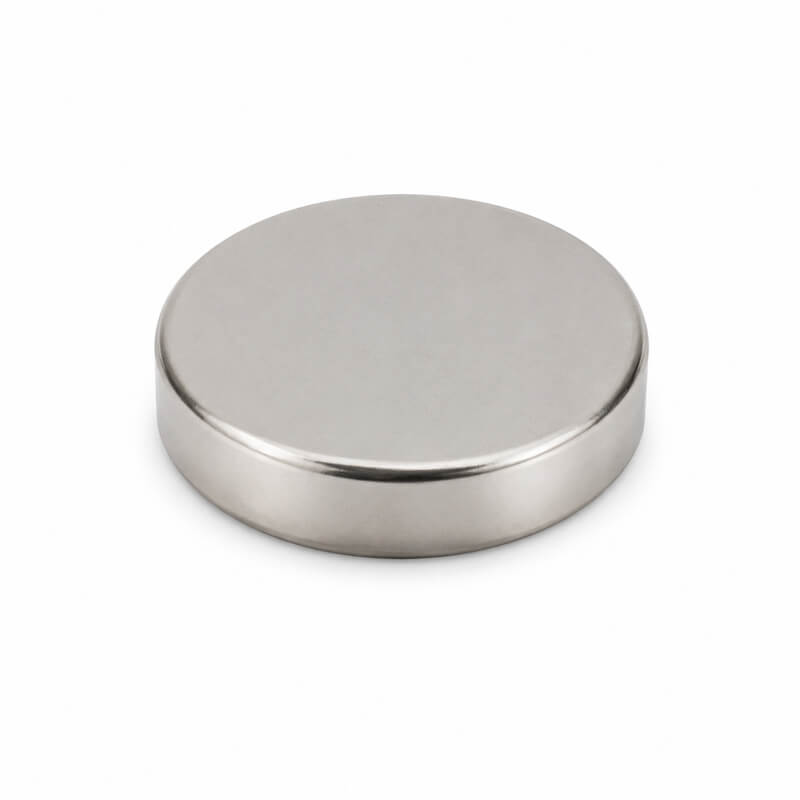
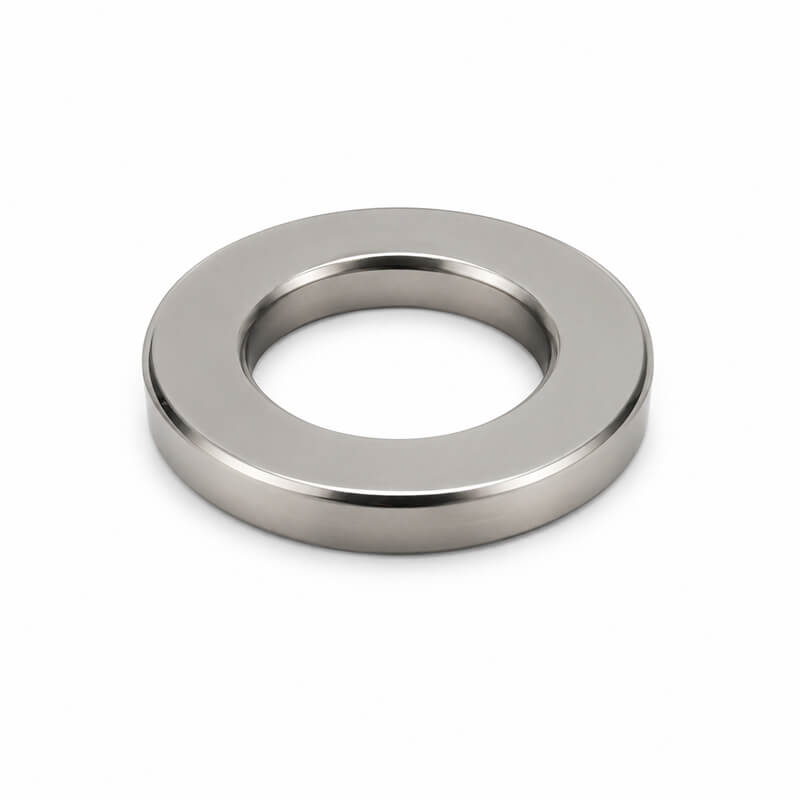
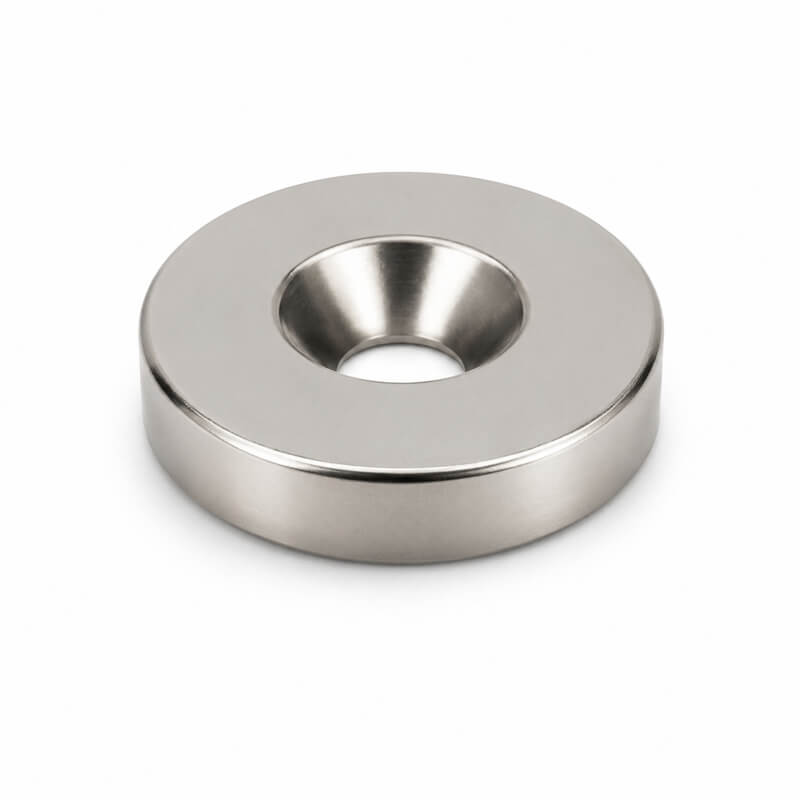
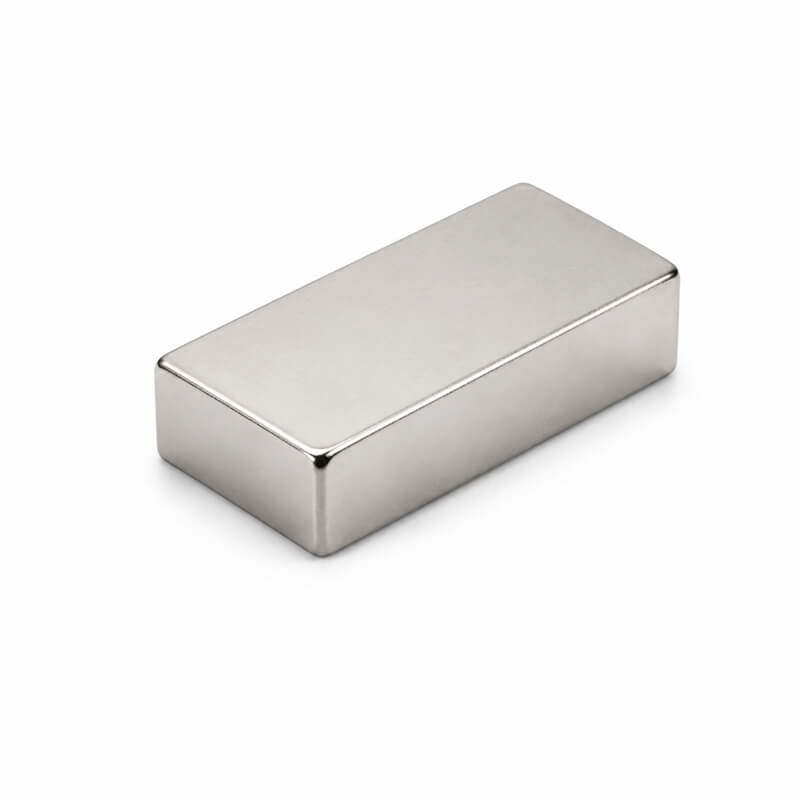
Neodymium magnets in block, ring, and cylinder shapes
Neodymium Magnet Selection Compare grade, coating, tolerance, temperature, and magnetization direction before sampling.

Common Shapes of Neodymium Magnets

For sensors, holding fixtures, electronics, and compact designs.

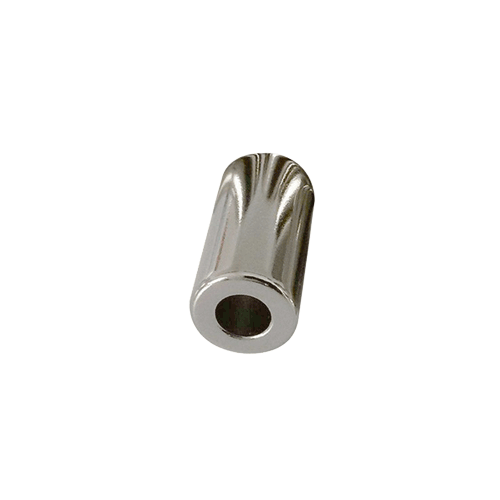
For speakers, motors, magnetic couplings, and center-hole designs.

For secure screw mounting in fixtures, brackets, equipment panels, and assemblies.

For industrial holding, motor assemblies, fixtures, and equipment.
For magnetic separation, testing, positioning, and linear holding.
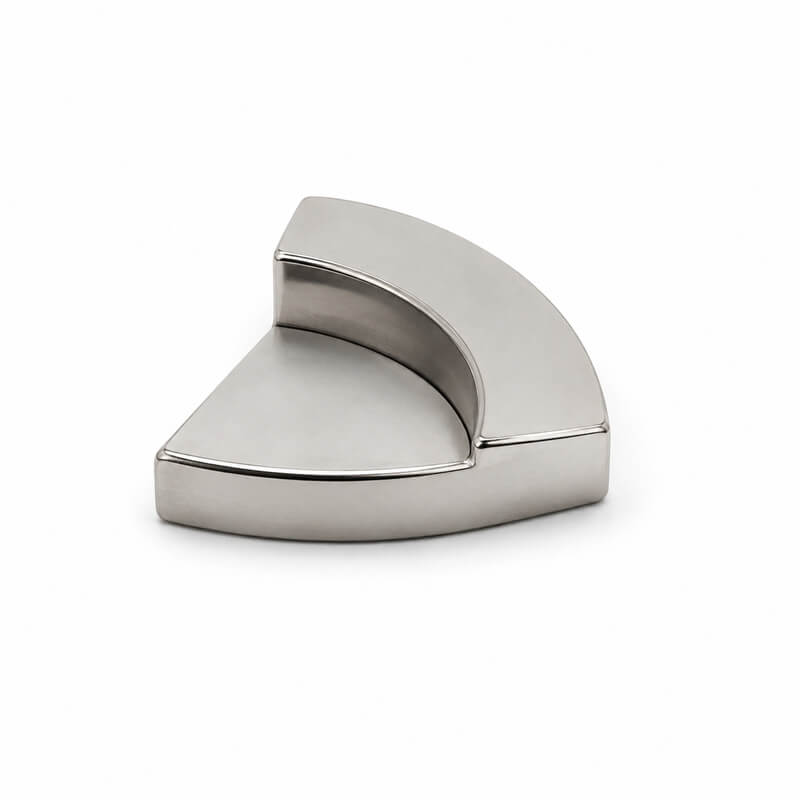
For motors, rotors, generators, and curved magnetic structures.
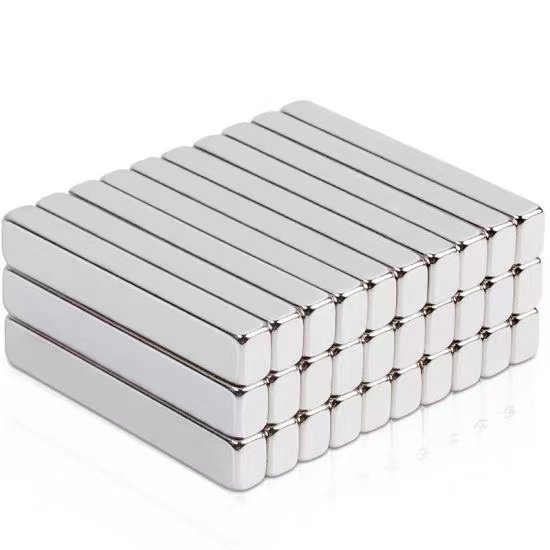
For magnetic rods, filter systems, sensors, and assembly designs.
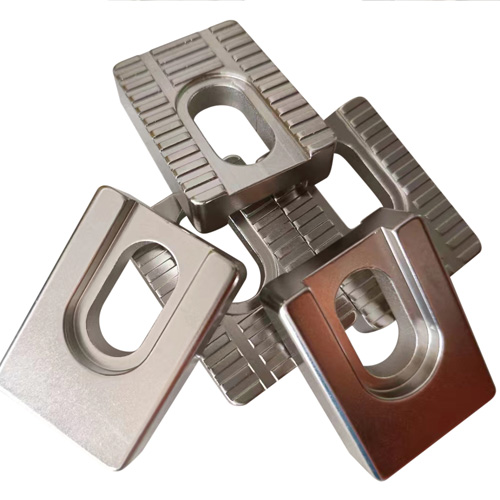
For drawings, special shapes, tight tolerances, and OEM projects.

Main Neodymium Magnet Grade

 
Remanence (Br)Intrinic Coercivity (HcJ)Coercivity (Hcb)Max Energy Product (BH) MaxDensity
Relative Recoil Permeability
Temperature CoefficientMax. Working Temp.
TkGskA/mkOekA/mkOeKj/mMGOeg/cm  °C (L/D=0.7)
 MaxMinMaxMinMinMinMinMinMaxMinMaxMinMin %/°C%/°C 
N561.511.515.114.78761183610.545441457527.51.05-0.12-0.7680°C
N541.491.514.914.59551283610.543740655517.51.05-0.12-0.7680°C
N521.461.414.614.29551283610.542239053497.51.05-0.12-0.7680°C
N501.441.414.413.99551286010.840637451477.51.05-0.12-0.7680°C
N481.431.414.313.79551286010.839035849457.51.05-0.12-0.7680°C
N451.371.313.713.29551286010.836634246437.51.05-0.12-0.7680°C
N421.321.313.212.89551286010.834231843407.51.05-0.12-0.7680°C
56M1.51.51514.61,1141499512.544640656517.51.05-0.12-0.68100°C
54M1.491.414.914.41,114141,0351343839855507.51.05-0.12-0.68100°C
52M1.461.414.614.21,114141,0351342238253487.51.05-0.12-0.68100°C
50M1.441.414.413.91,114141,0351340637451477.51.05-0.12-0.68100°C
48M1.421.414.213.71,114141,02712.939035849457.51.05-0.12-0.68100°C
45M1.371.313.713.21,1141499512.536634246437.51.05-0.12-0.68100°C
42M1.321.313.212.81,114149551234231843407.51.05-0.12-0.68100°C
40M1.281.312.812.51,1141492311.632630241387.51.05-0.12-0.68100°C
54H1.491.4414.914.41,353171,07513.543839855507.51.05-0.12-0.66120°C
52H1.461.4214.614.21,353171,05913.342238253487.51.05-0.12-0.66120°C
50H1.441.3914.413.91,353171,04313.140637451477.51.05-0.12-0.66120°C
48H1.421.3614.213.61,353171,02712.939035849457.51.05-0.12-0.66120°C
45H1.371.3213.713.21,3531799512.536634246437.51.05-0.12-0.66120°C
42H1.321.2813.212.81,353179551234231843407.51.05-0.12-0.66120°C
40H1.281.2512.812.51,3531792311.632630241387.51.05-0.12-0.66120°C
38H1.251.2212.512.31,3531789911.331028739367.51.05-0.12-0.66120°C
35H1.221.1712.211.71,3531786810.928726336337.51.05-0.12-0.66120°C
54SH1.491.4414.914.41,592201,07513.543839855507.51.04-0.115-0.56150°C
52SH1.461.4214.614.21,592201,05913.342239053497.51.04-0.115-0.56150°C
50SH1.421.3914.213.91,592201,04313.140637451477.51.04-0.115-0.56150°C
48SH1.41.361413.61,592201,0351339035849457.51.04-0.115-0.56150°C
45SH1.371.3213.713.21,5922099512.536634246437.51.04-0.115-0.56150°C
42SH1.321.2813.212.81,592209551234231843407.51.04-0.115-0.56150°C
40SH1.281.2512.812.51,5922093911.832630241387.51.04-0.115-0.56150°C
38SH1.251.2212.512.21,5922090711.431028739367.51.04-0.115-0.56150°C
35SH1.221.1712.211.71,592208761128726336337.51.04-0.115-0.56150°C
33SH1.171.1311.711.31,5922084410.627124734317.51.04-0.115-0.56150°C
52UH1.461.4214.614.21,990251,05913.342239053497.551.03-0.11-0.5180°C
50UH1.421.3914.213.91,990251,04313.140637451477.551.03-0.11-0.5180°C
48UH1.41.361413.61,990251,03112.939035849457.551.03-0.11-0.5180°C
45UH1.361.3213.613.21,990251,00312.636634246437.551.03-0.11-0.5180°C
42UH1.321.2813.212.81,9902597112.234231843407.551.03-0.11-0.5180°C
40UH1.281.2512.812.51,9902592311.632630241387.551.03-0.11-0.5180°C
38UH1.251.2212.512.21,9902590711.431028739367.551.03-0.11-0.5180°C
35UH1.221.1712.211.71,9902586010.828726336337.551.03-0.11-0.5180°C
33UH1.171.1311.711.31,9902585210.727124734317.551.03-0.11-0.5180°C
30UH1.131.0811.310.81,9902581210.224722331287.551.03-0.11-0.5180°C
50EH1.421.3914.213.92,308291,04313.140637451477.61.03-0.1-0.45200°C
48EH1.361.413.5142,308291,03112.939035849457.61.03-0.1-0.45200°C
45EH1.361.3213.613.22,388301,00312.636634246437.61.03-0.1-0.45200°C
42EH1.321.2813.212.82,3883097012.234231843407.61.03-0.1-0.45200°C
40EH1.281.2512.812.52,3883094711.932630241387.61.03-0.1-0.45200°C
38EH1.251.2212.512.22,3883091511.531028739367.61.03-0.1-0.45200°C
35EH1.221.1712.211.72,3883088411.128726336337.61.03-0.1-0.45200°C
33EH1.171.1311.711.32,3883086010.827124734317.61.03-0.1-0.45200°C
30EH1.131.0811.310.82,3883082010.324722331287.61.03-0.1-0.45200°C
45AH1.361.3213.613.22,640331,00312.636634246437.61.03-0.1-0.45230°C
42AH1.321.2813.212.82,7063497012.234231843407.61.03-0.1-0.45230°C
40AH1.281.2512.812.52,7863594711.932630241387.61.03-0.1-0.45230°C
38AH1.251.2212.512.22,7863591511.531028739367.61.03-0.1-0.45230°C
35AH1.21.171211.72,7863588311.128726336337.61.03-0.1-0.45230°C
33AH1.171.1111.711.12,7863584410.627123934317.61.03-0.1-0.45230°C
30AH1.131.0711.310.72,7863581210.224721531277.61.03-0.1-0.45230°C
28AH1.091.0210.910.22,786357729.723119929257.61.03-0.1-0.45230°C

How to Choose the Right Neodymium Magnet Grade

N Series Neodymium Magnet Grades – 80°C

GradeBr (T) MaxBr (T) MinBr (kGs) MaxBr (kGs) MinHcJ (kA/m) MinHcJ (kOe) MinHcb (kA/m) MinHcb (kOe) Min(BH)max (kJ/m³) Max(BH)max (kJ/m³) Min(BH)max (MGOe) Max(BH)max (MGOe) MinDensity (g/cm³) MinRelative Recoil PermeabilityTemp. Coef. Br (%/°C)Temp. Coef. HcJ (%/°C)Max. Working Temp. (L/D=0.7)
N561.511.515.114.78761183610.545441457527.51.05-0.12-0.7680°C
N541.491.514.914.59551283610.543740655517.51.05-0.12-0.7680°C
N521.461.414.614.29551283610.542239053497.51.05-0.12-0.7680°C
N501.441.414.413.99551286010.840637451477.51.05-0.12-0.7680°C
N481.431.414.313.79551286010.839035849457.51.05-0.12-0.7680°C
N451.371.313.713.29551286010.836634246437.51.05-0.12-0.7680°C
N421.321.313.212.89551286010.834231843407.51.05-0.12-0.7680°C

Why Pull Force Is Not a Fixed Number

Pull force is not determined by magnet grade alone. The final holding force depends on magnet size, grade, magnetization direction, contact area, steel thickness, coating thickness, air gap, working temperature, and the testing method used.

For example, the same N52 neodymium magnet can show different pull force values when it is tested against a thick steel plate, a thin metal sheet, a coated surface, or an assembly with an air gap. A higher grade may not solve the problem if the design has limited contact area, high temperature, or poor magnetic circuit conditions.

  • For holding applications: confirm target pull force, contact surface, steel thickness, and safety factor.
  • For motor or coupling applications: confirm air gap, torque requirement, magnetization pattern, and working temperature.
  • For custom assemblies: send drawings, working distance, mating material, and required magnetic performance before sampling.


M Series Neodymium Magnet Grades – 100°C

GradeBr (T) MaxBr (T) MinBr (kGs) MaxBr (kGs) MinHcJ (kA/m) MinHcJ (kOe) MinHcb (kA/m) MinHcb (kOe) Min(BH)max (kJ/m³) Max(BH)max (kJ/m³) Min(BH)max (MGOe) Max(BH)max (MGOe) MinDensity (g/cm³) MinRelative Recoil PermeabilityTemp. Coef. Br (%/°C)Temp. Coef. HcJ (%/°C)Max. Working Temp. (L/D=0.7)
56M1.51.51514.61,1141499512.544640656517.51.05-0.12-0.68100°C
54M1.491.414.914.41,114141,0351343839855507.51.05-0.12-0.68100°C
52M1.461.414.614.21,114141,0351342238253487.51.05-0.12-0.68100°C
50M1.441.414.413.91,114141,0351340637451477.51.05-0.12-0.68100°C
48M1.421.414.213.71,114141,02712.939035849457.51.05-0.12-0.68100°C
45M1.371.313.713.21,1141499512.536634246437.51.05-0.12-0.68100°C
42M1.321.313.212.81,114149551234231843407.51.05-0.12-0.68100°C
40M1.281.312.812.51,1141492311.632630241387.51.05-0.12-0.68100°C

H Series Neodymium Magnet Grades – 120°C

GradeBr (T) MaxBr (T) MinBr (kGs) MaxBr (kGs) MinHcJ (kA/m) MinHcJ (kOe) MinHcb (kA/m) MinHcb (kOe) Min(BH)max (kJ/m³) Max(BH)max (kJ/m³) Min(BH)max (MGOe) Max(BH)max (MGOe) MinDensity (g/cm³) MinRelative Recoil PermeabilityTemp. Coef. Br (%/°C)Temp. Coef. HcJ (%/°C)Max. Working Temp. (L/D=0.7)
54H1.491.4414.914.41,353171,07513.543839855507.51.05-0.12-0.66120°C
52H1.461.4214.614.21,353171,05913.342238253487.51.05-0.12-0.66120°C
50H1.441.3914.413.91,353171,04313.140637451477.51.05-0.12-0.66120°C
48H1.421.3614.213.61,353171,02712.939035849457.51.05-0.12-0.66120°C
45H1.371.3213.713.21,3531799512.536634246437.51.05-0.12-0.66120°C
42H1.321.2813.212.81,353179551234231843407.51.05-0.12-0.66120°C
40H1.281.2512.812.51,3531792311.632630241387.51.05-0.12-0.66120°C
38H1.251.2212.512.31,3531789911.331028739367.51.05-0.12-0.66120°C
35H1.221.1712.211.71,3531786810.928726336337.51.05-0.12-0.66120°C

SH Series Neodymium Magnet Grades – 150°C

GradeBr (T) MaxBr (T) MinBr (kGs) MaxBr (kGs) MinHcJ (kA/m) MinHcJ (kOe) MinHcb (kA/m) MinHcb (kOe) Min(BH)max (kJ/m³) Max(BH)max (kJ/m³) Min(BH)max (MGOe) Max(BH)max (MGOe) MinDensity (g/cm³) MinRelative Recoil PermeabilityTemp. Coef. Br (%/°C)Temp. Coef. HcJ (%/°C)Max. Working Temp. (L/D=0.7)
54SH1.491.4414.914.41,592201,07513.543839855507.51.04-0.115-0.56150°C
52SH1.461.4214.614.21,592201,05913.342239053497.51.04-0.115-0.56150°C
50SH1.421.3914.213.91,592201,04313.140637451477.51.04-0.115-0.56150°C
48SH1.41.361413.61,592201,0351339035849457.51.04-0.115-0.56150°C
45SH1.371.3213.713.21,5922099512.536634246437.51.04-0.115-0.56150°C
42SH1.321.2813.212.81,592209551234231843407.51.04-0.115-0.56150°C
40SH1.281.2512.812.51,5922093911.832630241387.51.04-0.115-0.56150°C
38SH1.251.2212.512.21,5922090711.431028739367.51.04-0.115-0.56150°C
35SH1.221.1712.211.71,592208761128726336337.51.04-0.115-0.56150°C
33SH1.171.1311.711.31,5922084410.627124734317.51.04-0.115-0.56150°C

UH Series Neodymium Magnet Grades – 180°C

GradeBr (T) MaxBr (T) MinBr (kGs) MaxBr (kGs) MinHcJ (kA/m) MinHcJ (kOe) MinHcb (kA/m) MinHcb (kOe) Min(BH)max (kJ/m³) Max(BH)max (kJ/m³) Min(BH)max (MGOe) Max(BH)max (MGOe) MinDensity (g/cm³) MinRelative Recoil PermeabilityTemp. Coef. Br (%/°C)Temp. Coef. HcJ (%/°C)Max. Working Temp. (L/D=0.7)
52UH1.461.4214.614.21,990251,05913.342239053497.551.03-0.11-0.5180°C
50UH1.421.3914.213.91,990251,04313.140637451477.551.03-0.11-0.5180°C
48UH1.41.361413.61,990251,03112.939035849457.551.03-0.11-0.5180°C
45UH1.361.3213.613.21,990251,00312.636634246437.551.03-0.11-0.5180°C
42UH1.321.2813.212.81,9902597112.234231843407.551.03-0.11-0.5180°C
40UH1.281.2512.812.51,9902592311.632630241387.551.03-0.11-0.5180°C
38UH1.251.2212.512.21,9902590711.431028739367.551.03-0.11-0.5180°C
35UH1.221.1712.211.71,9902586010.828726336337.551.03-0.11-0.5180°C
33UH1.171.1311.711.31,9902585210.727124734317.551.03-0.11-0.5180°C
30UH1.131.0811.310.81,9902581210.224722331287.551.03-0.11-0.5180°C

EH Series Neodymium Magnet Grades – 200°C

GradeBr (T) MaxBr (T) MinBr (kGs) MaxBr (kGs) MinHcJ (kA/m) MinHcJ (kOe) MinHcb (kA/m) MinHcb (kOe) Min(BH)max (kJ/m³) Max(BH)max (kJ/m³) Min(BH)max (MGOe) Max(BH)max (MGOe) MinDensity (g/cm³) MinRelative Recoil PermeabilityTemp. Coef. Br (%/°C)Temp. Coef. HcJ (%/°C)Max. Working Temp. (L/D=0.7)
50EH1.421.3914.213.92,308291,04313.140637451477.61.03-0.1-0.45200°C
48EH1.361.413.5142,308291,03112.939035849457.61.03-0.1-0.45200°C
45EH1.361.3213.613.22,388301,00312.636634246437.61.03-0.1-0.45200°C
42EH1.321.2813.212.82,3883097012.234231843407.61.03-0.1-0.45200°C
40EH1.281.2512.812.52,3883094711.932630241387.61.03-0.1-0.45200°C
38EH1.251.2212.512.22,3883091511.531028739367.61.03-0.1-0.45200°C
35EH1.221.1712.211.72,3883088411.128726336337.61.03-0.1-0.45200°C
33EH1.171.1311.711.32,3883086010.827124734317.61.03-0.1-0.45200°C
30EH1.131.0811.310.82,3883082010.324722331287.61.03-0.1-0.45200°C

AH Series Neodymium Magnet Grades – 230°C

GradeBr (T) MaxBr (T) MinBr (kGs) MaxBr (kGs) MinHcJ (kA/m) MinHcJ (kOe) MinHcb (kA/m) MinHcb (kOe) Min(BH)max (kJ/m³) Max(BH)max (kJ/m³) Min(BH)max (MGOe) Max(BH)max (MGOe) MinDensity (g/cm³) MinRelative Recoil PermeabilityTemp. Coef. Br (%/°C)Temp. Coef. HcJ (%/°C)Max. Working Temp. (L/D=0.7)
45AH1.361.3213.613.22,640331,00312.636634246437.61.03-0.1-0.45230°C
42AH1.321.2813.212.82,7063497012.234231843407.61.03-0.1-0.45230°C
40AH1.281.2512.812.52,7863594711.932630241387.61.03-0.1-0.45230°C
38AH1.251.2212.512.22,7863591511.531028739367.61.03-0.1-0.45230°C
35AH1.21.171211.72,7863588311.128726336337.61.03-0.1-0.45230°C
33AH1.171.1111.711.12,7863584410.627123934317.61.03-0.1-0.45230°C
30AH1.131.0711.310.72,7863581210.224721531277.61.03-0.1-0.45230°C
28AH1.091.0210.910.22,786357729.723119929257.61.03-0.1-0.45230°C

A higher grade does not always mean a better magnet. Size, air gap, working temperature, coating, and magnetization direction affect real performance.

Coatings for Neodymium Magnets

CoatingCommon UseKey Benefit
NiCuNiGeneral industrialDurable clean finish
ZincCost-sensitive projectsBasic protection
EpoxyHumid environmentsBetter moisture resistance
ParylenePrecision partsThin uniform layer
GoldElectronicsConductive surface

Sizes, Tolerances and Magnetization Directions

Custom Sizes

Standard and project-specific dimensions based on drawings, samples, or application needs.

Tolerances

Critical for assemblies, motors, sensors, and precision devices.

Magnetization Direction

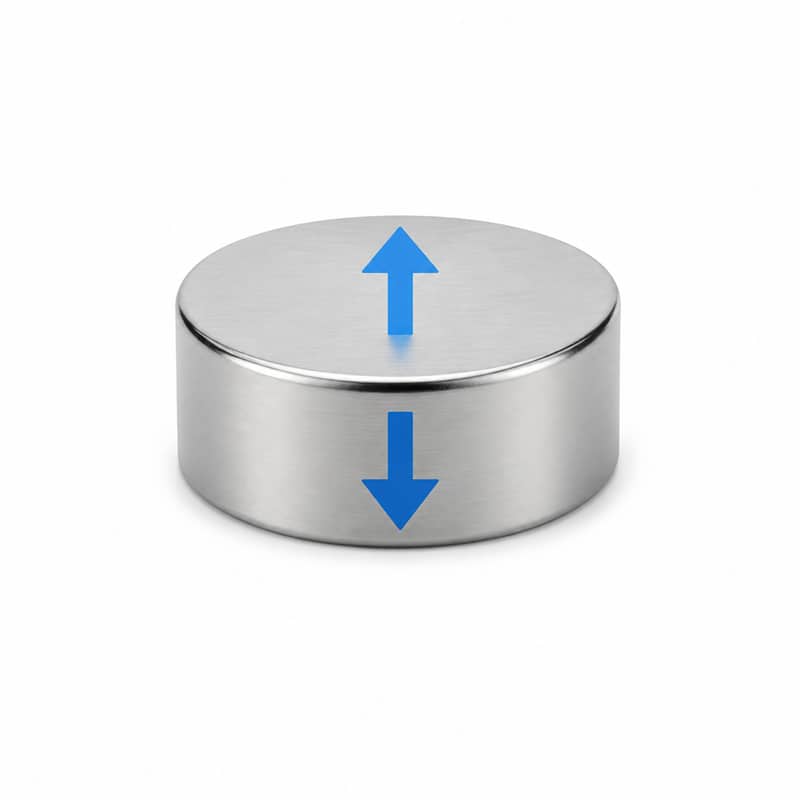
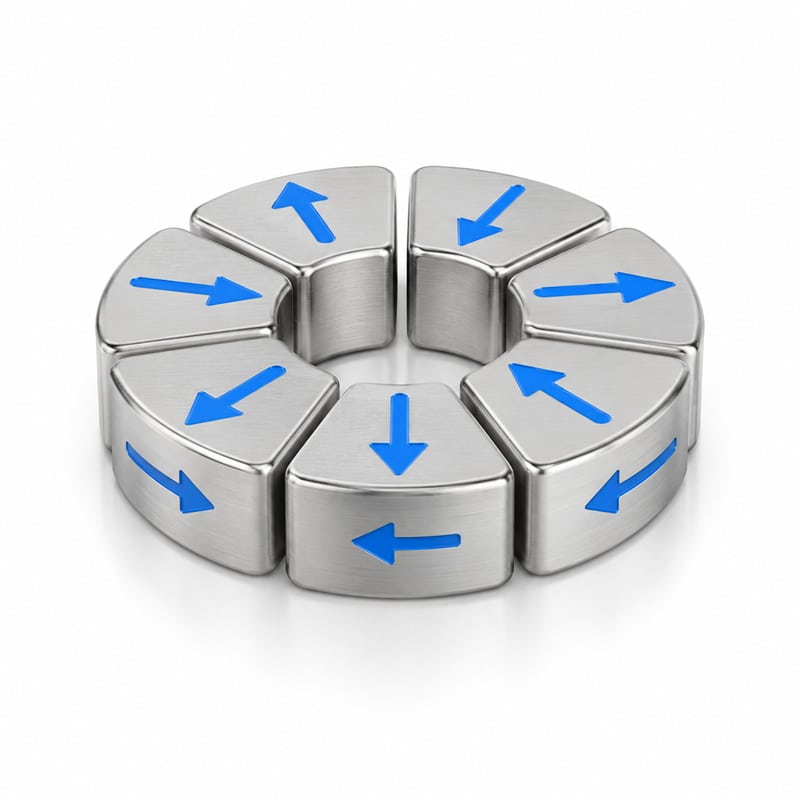
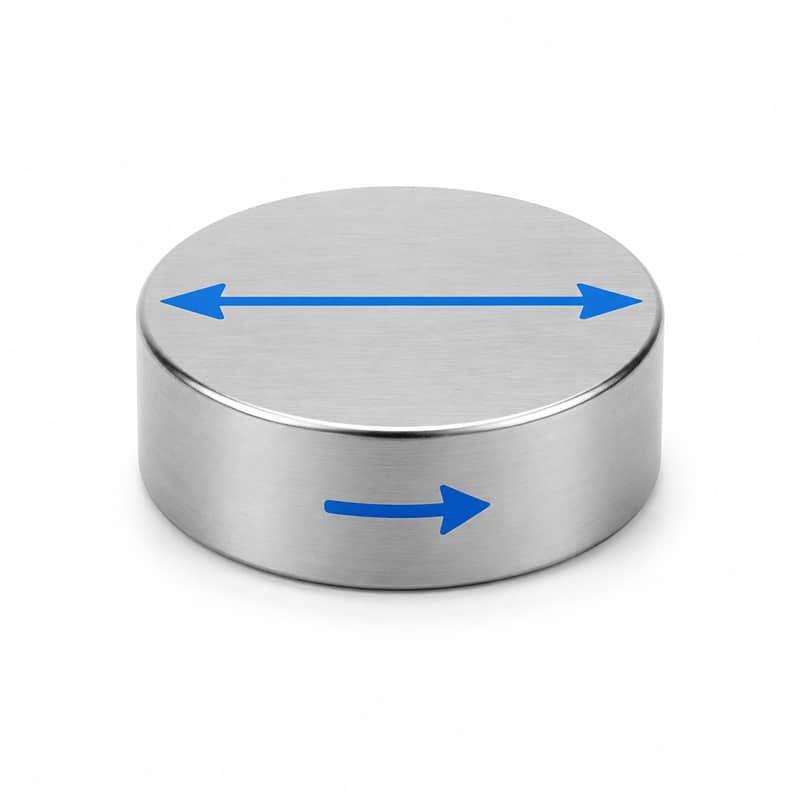
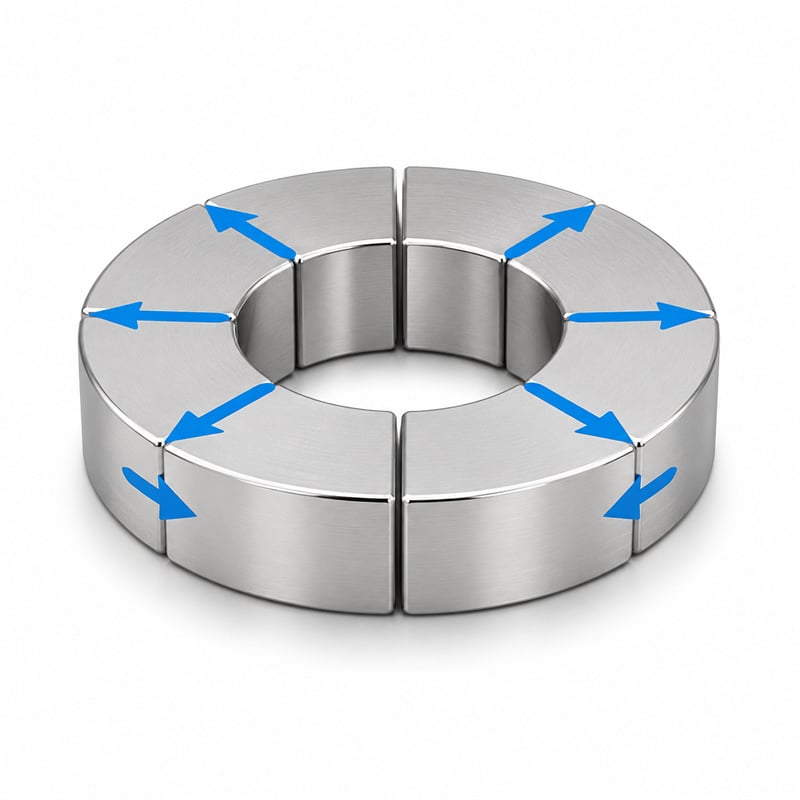
Axial, diametrical, radial, multi-pole, and custom options.

Magnetization Directions

Axial

Axial

Diametrical

Diametrical

Radial

Radial

Multi-pole

Multi-pole

Standard vs Custom Neodymium Magnets: Which Should You Choose?

Choose standard magnets when you need common shapes, quick testing, and better cost control. Choose custom magnets when your product requires a special size, assembly fit, tolerance, coating, or magnetization direction.

Choose Standard Magnets When

  • You need common shapes and sizes
  • The application is simple holding or fixing
  • Fast sample testing is more important
  • Cost control is the main priority

Choose Custom Magnets When

  • You have a drawing or special size
  • The magnet must fit into an assembly
  • Tolerance, coating, and direction are critical
  • Performance and fit are project-specific

Where Are Neodymium Magnets Used?

Arc segment neodymium magnets for electric motors and generators

Electric Motors

Neodymium arc segment magnets are commonly used in electric motors, generators, servo motors, and compact drive systems where high torque density is required. For motor projects, grade, HcJ, working temperature, magnetization direction, and dimensional tolerance should be confirmed before sampling.

Small neodymium magnets for sensors encoders and electronic assemblies

Sensors and Encoders

Small disc, block, and custom NdFeB magnets are used in sensors, encoders, switches, and position-detection assemblies. The key selection factors are magnetic field stability, size tolerance, coating thickness, and consistent magnetization direction.

Precision neodymium magnets for medical devices and compact instruments

Medical Devices

Precision neodymium magnets can be used in medical devices, diagnostic equipment, and compact instrument assemblies when stable magnetic performance and clean surface quality are required. Material grade, coating, corrosion resistance, and packaging requirements should be reviewed carefully before production.
Block and disc neodymium magnets for industrial fixtures and holding tools

Industrial Fixtures

Block, disc, and countersunk neodymium magnets are widely used in fixtures, holding tools, positioning systems, and equipment panels. Pull force, steel contact area, working gap, mounting method, and safety factor should be checked before choosing a size.
Ring and arc neodymium magnets for magnetic couplings and torque transfer

Magnetic Couplings

Ring, arc, and custom neodymium magnets are used in magnetic couplings to transfer torque without direct mechanical contact. For coupling designs, torque requirement, air gap, operating speed, temperature, and magnetization pattern must be matched together.

Compact neodymium magnets for speakers headphones and consumer electronics

Consumer Electronics

Compact neodymium magnets are used in loudspeakers, headphones, haptic motors, wearable devices, and small electronic assemblies. These projects usually require tight size tolerance, stable coating, consistent magnetic direction, and reliable batch repeatability.

Automotive and Robotics

Automotive and Robotics

Neodymium magnets are used in automotive sensors, small motors, robotic joints, actuators, and compact control systems. For these applications, temperature resistance, vibration conditions, coating durability, and long-term magnetic stability are more important than grade alone.

High coercivity neodymium magnets for wind generators and energy systems

Wind Energy

High-coercivity neodymium magnets can be used in wind generators and energy systems where stable output and temperature resistance are important. Arc segment design, HcJ level, coating protection, and assembly method should be reviewed based on the generator structure.

How We Help You Select the Right Neodymium Magnet

  1. Application Review
    We first understand how the magnet will be used, not just the size you need.
  2. Grade Recommendation
    We help match grade with force, temperature, space, and cost requirements.
  3. Coating Selection
    We suggest coating options based on humidity, corrosion risk, appearance, and assembly needs.
  4. Magnetization Direction Check
    We confirm the right direction before sampling or production.
  5. Sample-to-Production Support
    We support sample testing before volume production when needed.

Quality Control for Neodymium Magnets

  1. Raw Material and Grade Confirmation
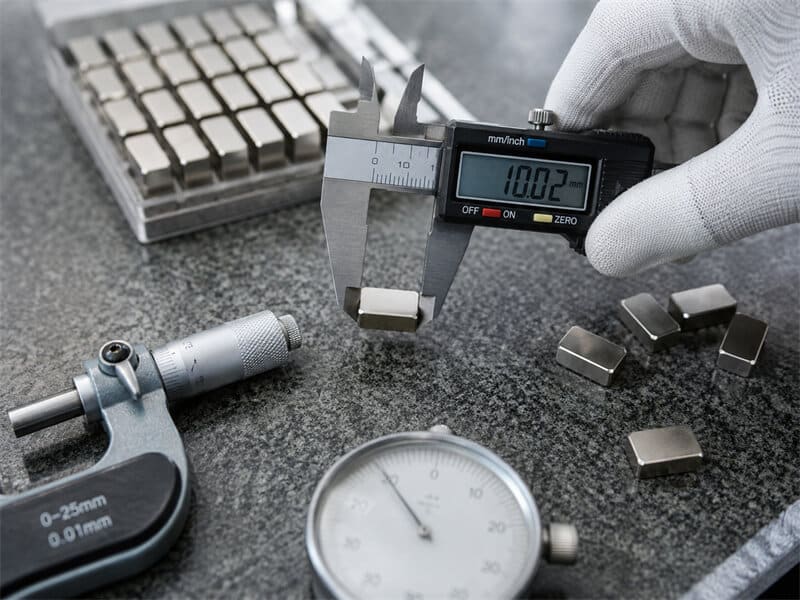
  2. Dimension Inspection
  3. Surface and Coating Check
  4. Magnetic Performance Testing
  5. Magnetization Direction Confirmation
  6. Packaging and Shipment Protection

Packaging and Shipping for Neodymium Magnets

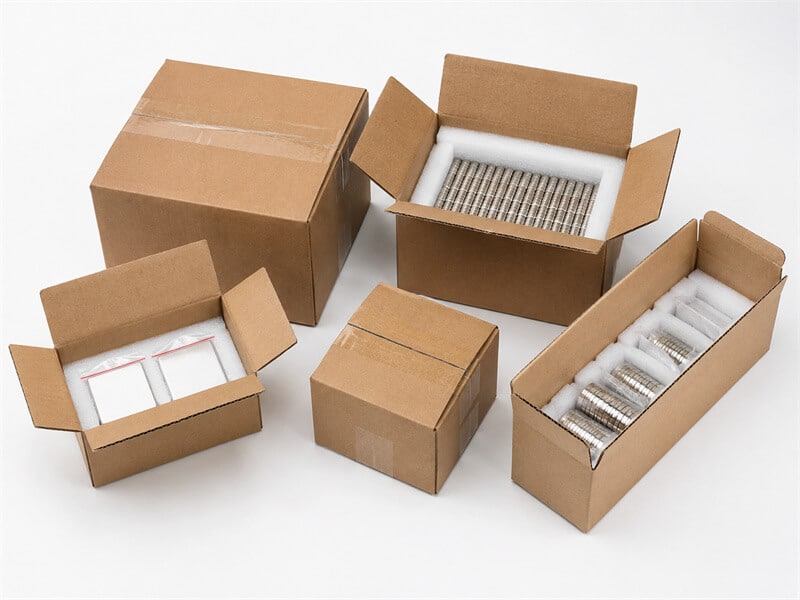
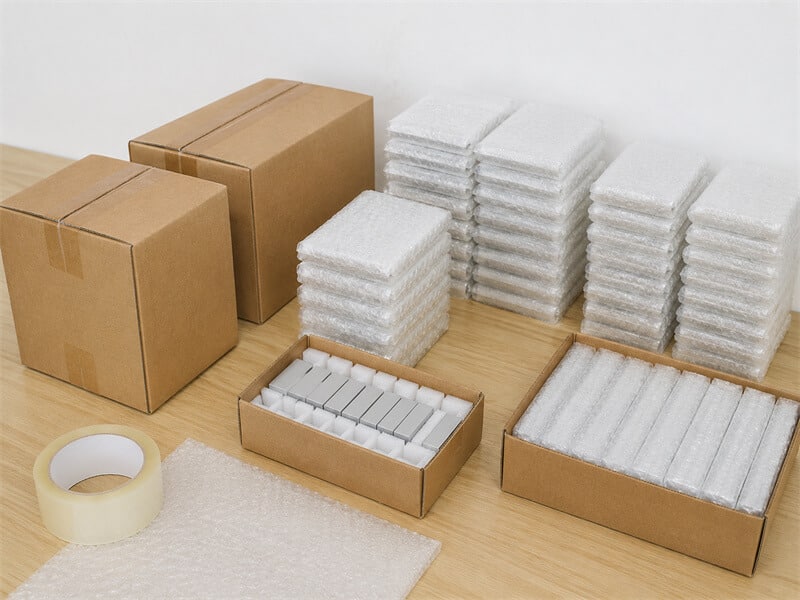
  • Magnets are brittle and need protective packaging.
  • Strong magnets may require magnetic shielding for air shipment.
  • Bulk orders need clear labeling and stable carton or pallet packaging.
  • Custom packaging can be discussed for OEM or distributor needs.

Why Source Neodymium Magnets from Osenc?

  • Focused on NdFeB Magnets and Magnetic Assemblies
    Better understanding of real magnetic applications.
  • Standard and Custom Supply
    Buyers can source both common shapes and project-specific magnets.
  • Engineering-Friendly Communication
    We can work from drawings, samples, target force, or application notes.
  • Flexible Support from Samples to Bulk Orders
    Suitable for product testing, OEM projects, and repeat procurement.

Neodymium Magnets FAQ

Neodymium magnets are made from neodymium, iron, and boron. They are also called NdFeB magnets, NIB magnets, or neo magnets.

They are among the strongest commercially available permanent magnets, especially for compact applications that need high magnetic force.

It depends on size, pull force, temperature, air gap, coating, and cost. A higher grade is not always the best choice for every application.

Yes. Most neodymium magnets need coating because they are brittle and vulnerable to corrosion. Common coatings include NiCuNi, zinc, epoxy, parylene, and gold.

Yes. Shape, size, grade, coating, tolerance, and magnetization direction can often be customized based on drawings or application requirements.

Send size, shape, grade, coating, magnetization direction, quantity, tolerance, application, and drawings if available.

Standard grades have temperature limits. For high-temperature applications, buyers should confirm the correct temperature grade instead of only choosing a higher magnetic grade.

Let‘s Realize Your Grand Plan Together

Get Your Fast Quote (Price + Lead Time)

Receive updated pricing, specs, MOQ, and shipping options—no spam, just the info you need. Reply within 3-6 hours.

Get This Month’s Latest Price & Specs