Use N55 when your magnetic circuit is space-limited and the available magnet volume cannot deliver enough field, flux or functional output with a lower-energy grade. OSENC manufactures custom N55 NdFeB magnets to drawing with controlled material grade, finished dimensions, coating, magnetization and project-defined magnetic QC.
Send your drawing, working gap, operating temperature and measurable magnetic target. We check whether N55 creates a real design advantage over N52/N54, then lock the finished-part specification before production.
No finished drawing yet? Send your target size, working gap, magnetic requirement and quantity. We can review the N55 design inputs before the drawing is finalized.
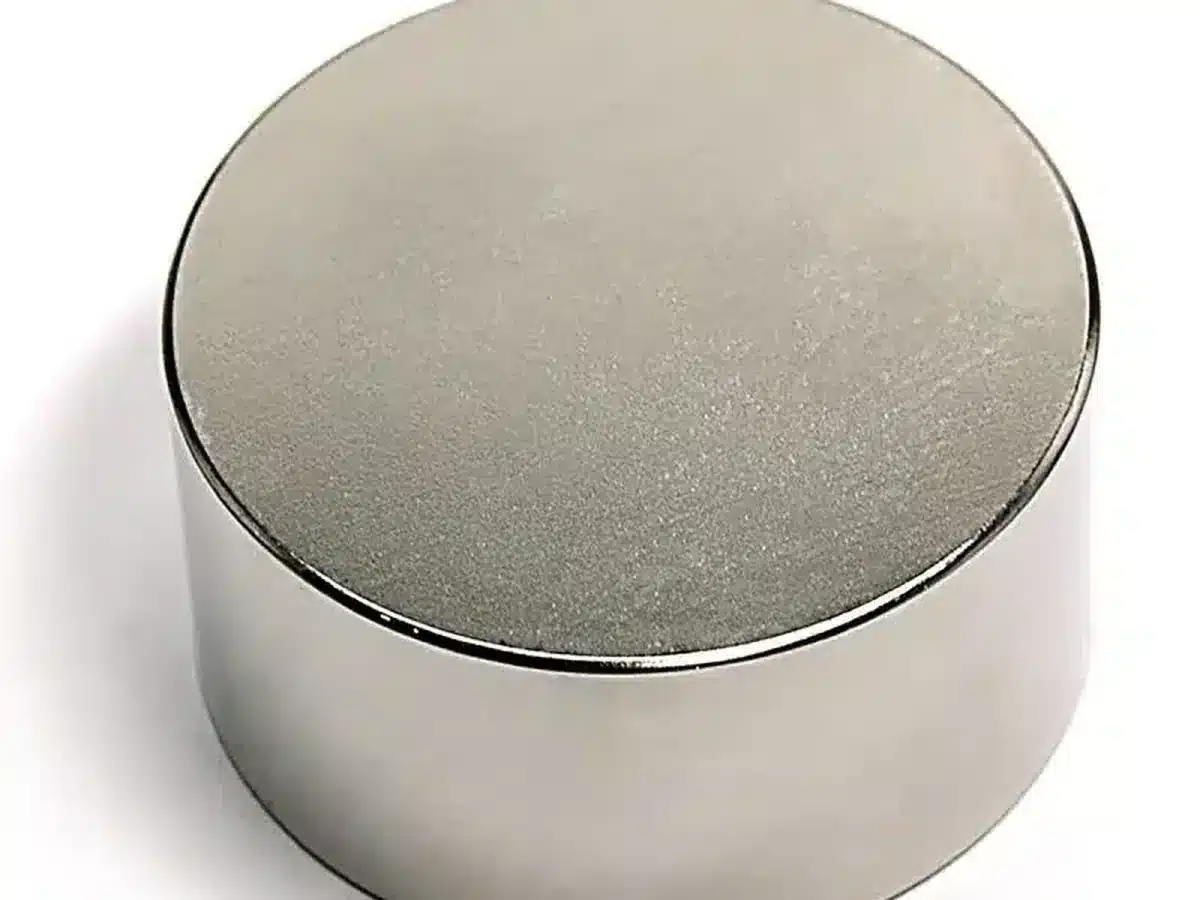
N55 is positioned for small and compact high-field magnets. Its higher material-level Br / BHmax range can create useful design margin when magnet volume is constrained. It is not automatically the better choice when N52 already meets the finished magnetic target with sufficient margin.
OSENC compares Surface Gauss, Total Flux or Pull Force only under matched geometry and defined test conditions. Magnet size, coating, magnetization, air gap, steel condition and fixture setup all influence finished performance.
Surface Gauss alone does not prove a magnet is N55. OSENC verifies N55 at material level against the approved project specification and batch material records. Br, Hcb, Hcj and (BH)max are reviewed from material evidence when those properties are part of the purchase specification.
| Material Property | How OSENC Controls It | Why It Matters |
|---|---|---|
| Remanence, Br | Checked against the approved N55 material specification | Defines the residual magnetic flux density available from the magnetized material. |
| Normal coercivity, Hcb | Checked from the agreed material record / B-H data when specified | Shows resistance to reduction of magnetic induction under a reverse field. |
| Intrinsic coercivity, Hcj | Reviewed for demagnetization margin when the application requires it | Important for temperature-sensitive and low-permeance magnetic circuits. |
| Maximum energy product, (BH)max | Verified against the approved grade requirement | Confirms the material-level energy density used to justify N55 in compact designs. |
N55 is most useful when the available magnet envelope is already constrained and increasing the magnet volume is not practical.
When an N52 design is close to the required magnetic target, N55 can be evaluated in the same available space before changing the surrounding assembly.
OSENC reviews geometry, working gap, temperature and the measurable magnetic target before N55 is locked into the production specification.
N55 is particularly useful in miniature disc and cylinder designs where magnetic volume is limited. OSENC also manufactures block and ring N55 magnets to drawing when the higher energy density creates a useful design benefit.
| Reference Type | N55 Size References | How OSENC Uses This Range |
|---|---|---|
| Disc / Cylinder | D3.175×1.524, D3.175×3.175, D4.75×1.524, D6.35×3.175 mm | Compact sensor, switch, encoder and precision mechanism starting points. |
| Disc / Cylinder | D6.35×6.35, D7.925×6.35, D9.525×3.175 mm | Compact designs where higher energy density can reduce magnetic package size. |
| Custom Block / Ring | Made to drawing | Final feasibility is locked against finished tolerance, magnetization direction, coating and magnetic target. |
These dimensions are practical RFQ references rather than fixed stock specifications. The production part follows the approved drawing.
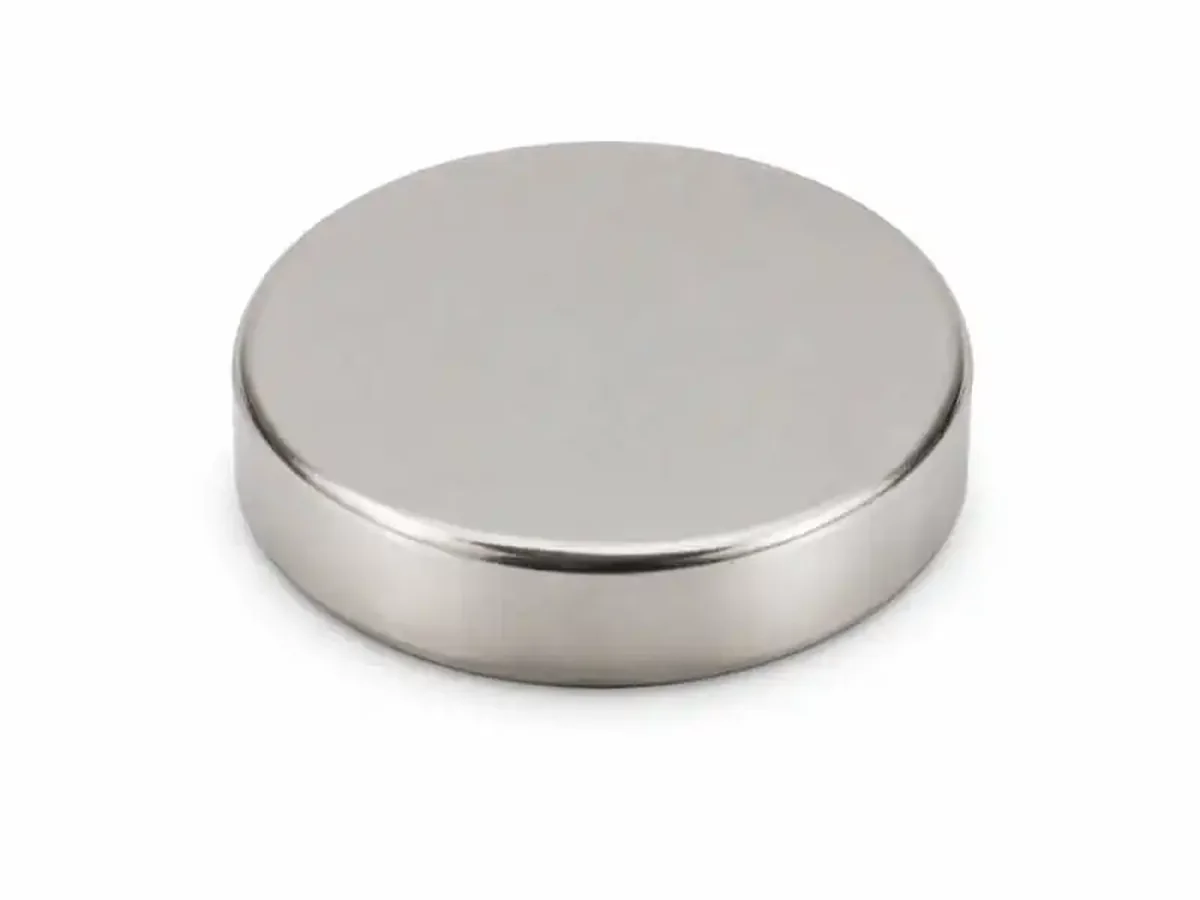
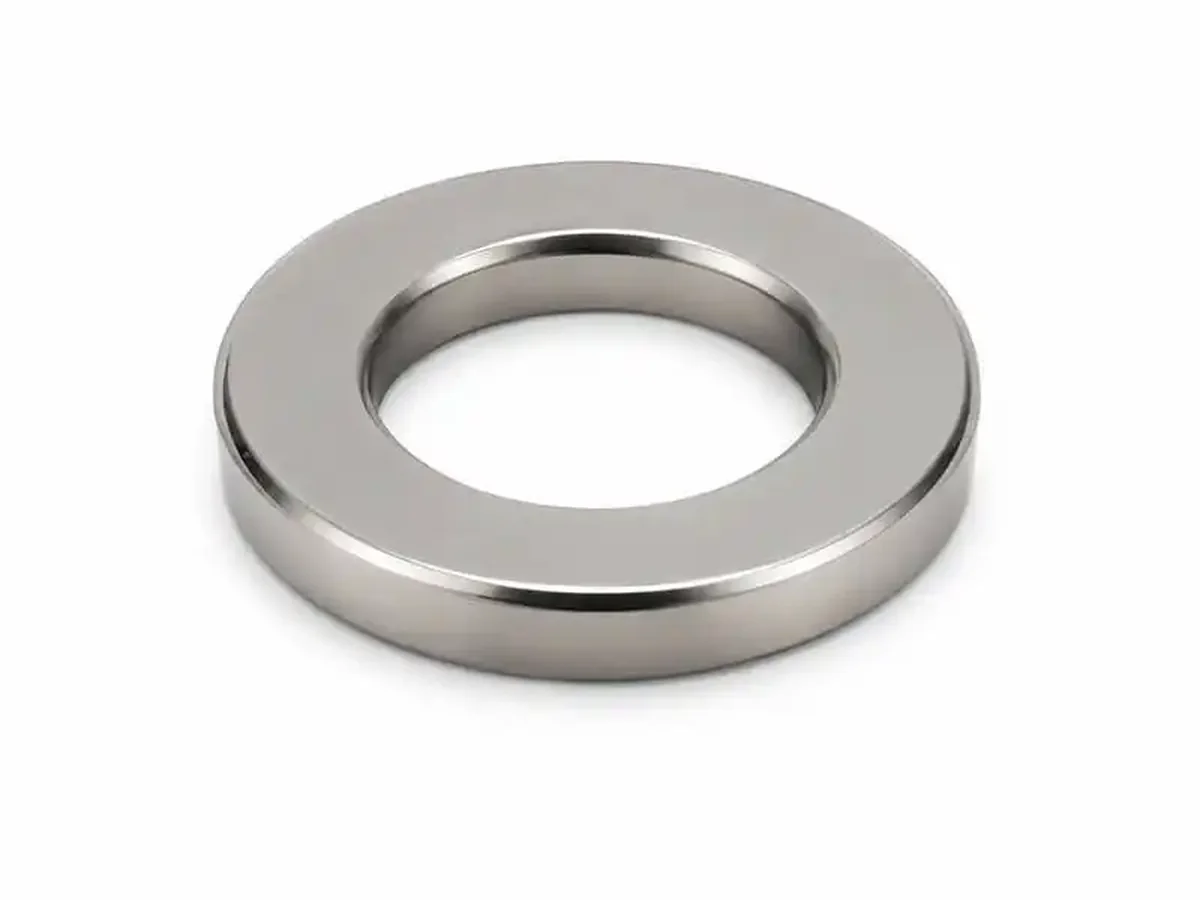
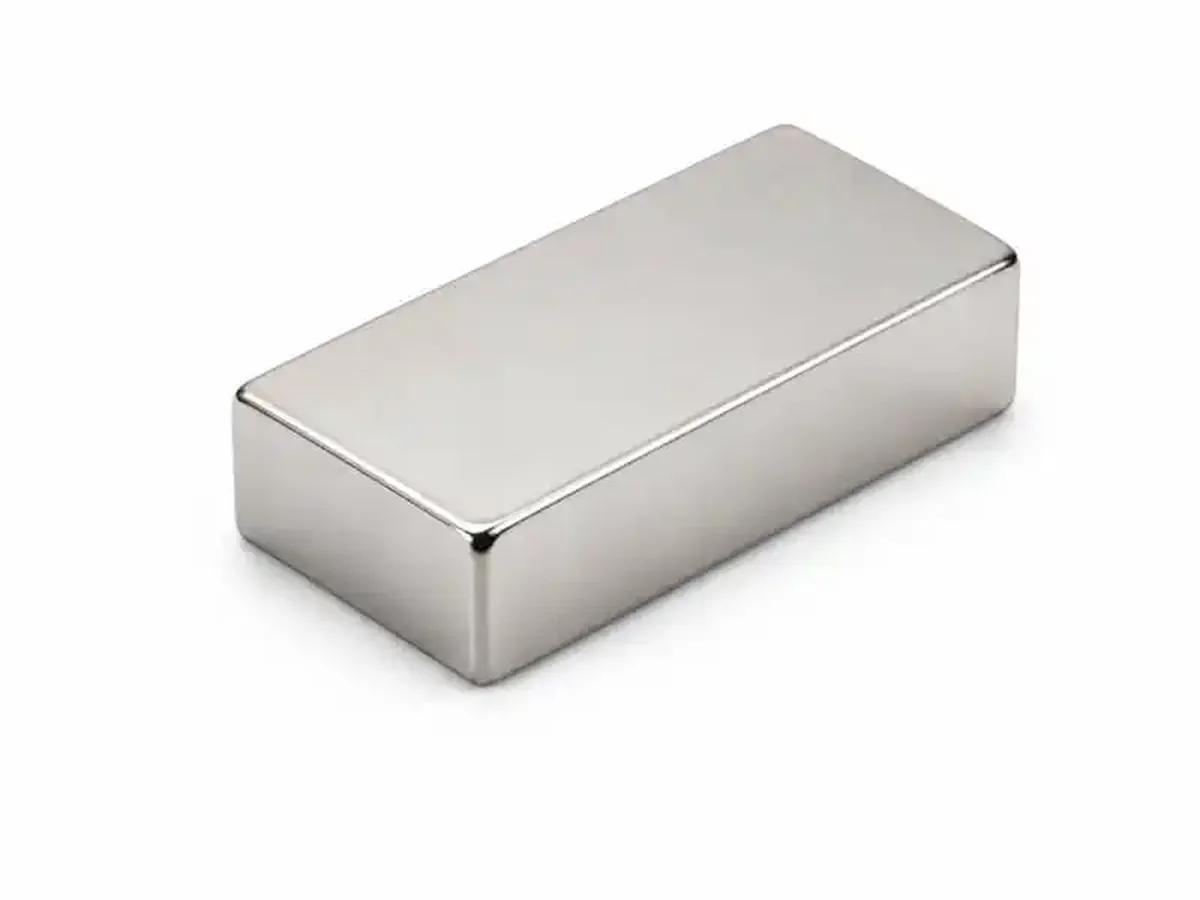
OSENC uses ±0.10 mm as the standard finished-tolerance reference and ±0.05 mm as the precision finished-tolerance reference for N55 projects. The controlled dimension is the coated finished part.
Miniature geometries are handled against the drawing and process capability instead of applying one extreme tolerance claim to every shape.

| Shape | Magnetization Directions | Engineering Control |
|---|---|---|
| Disc | Axial / Diametrical | Direction is locked to the sensor, holding or magnetic-circuit geometry. |
| Block | Through Thickness / Length / Width | The magnetization axis is defined against the assembly and working gap. |
| Ring | Axial / Diametrical / Radial / Multipole | Radial and multipole rings use dedicated magnetizing fixtures. |
| Cylinder | Axial / Diametrical | Direction is defined on the drawing and verified after magnetization. |
OSENC currently specifies Ni, Ni-Cu-Ni, Zn and Au coating options for N55 projects. Selection is tied to corrosion exposure, dimensional fit, appearance and contact requirements.
OSENC approves operating temperature from the material specification, magnet geometry, magnetic circuit, working gap and required magnetic output at temperature. A coating or room-temperature Gauss reading does not establish the usable temperature limit.
Thin sections, rings, blocks and low-permeance designs receive separate demagnetization review before the temperature requirement is released for production.
| Design Input | What We Check | Why It Matters |
|---|---|---|
| Continuous temperature | Normal operating condition | Defines the main thermal operating requirement. |
| Peak temperature | Maximum short-duration exposure | Checks temporary thermal stress above normal operation. |
| Magnet geometry | Thickness, aspect ratio and shape | Changes the permeance coefficient and demagnetization margin. |
| Working gap | Actual air gap in the assembly | Moves the operating point and changes usable magnetic output. |
| Magnetic circuit | Steel path, return path and surrounding components | Determines the real working condition of the magnet. |
| Required output at temperature | Flux, Gauss, trigger threshold or functional requirement | Confirms the design still meets the application target when hot. |
After material grade and finished geometry are accepted, OSENC verifies the finished magnet against the magnetic characteristics specified for the project. Different measurements answer different engineering questions, so Surface Gauss is not treated as a substitute for material-grade verification or functional Pull Force.
Used for material-level verification of Br, Hcb, Hcj and (BH)max when specified.
Finished magnets can be checked with defined measuring equipment, fixture position and test distance.
When required, steel condition, air gap and pull direction are fixed before results are compared.
*Functional pull-force testing is added when the project requires it. The test setup must be controlled before pull-force values are used as an acceptance criterion.
Required records are defined in the approved inspection plan before production. The evidence supplied with a project is tied to the purchase specification instead of being treated as a generic certificate package.
Approved N55 material specification, Material Certificate and B-H / hysteresis data when material-level grade evidence is required.
Finished-dimension inspection against the approved drawing, including the coated finished dimensions used for assembly fit.
Magnetization-direction verification and coating acceptance records when these items are defined in the inspection plan.
Total Flux, fixed-position Surface Gauss or controlled Pull Force records when those tests are specified as finished-part acceptance criteria.
Compact N55 magnets help when working gap and trigger threshold require more magnetic margin in a limited package.
Small disc, cylinder and ring designs can support high field density where alignment and sensor spacing are tightly controlled.
N55 is useful where reducing magnetic package size matters more than simply minimizing material cost per magnet.
N55 is a high-energy material choice, not an automatic upgrade for every NdFeB design. OSENC keeps the grade decision tied to the finished magnetic requirement and the real operating condition.
If N52 reaches the required Gauss, Total Flux, Pull Force or sensor threshold with sufficient margin, a higher-energy grade does not create a useful functional gain.
A higher N-number does not automatically create better demagnetization margin. Temperature-sensitive designs must be checked from material coercivity, geometry and the magnetic circuit.
If more magnet volume is available, geometry and grade should be compared together before paying for N55 purely to increase material energy density.
OSENC quotes the finished component against the drawing and required QC. Price is driven by N55 material volume, geometry, precision grinding, finished tolerance, coating, magnetization fixture, magnetic inspection, certificate requirements and order quantity.
OSENC verifies N55 against the approved project material specification and the agreed material evidence. Br, Hcb, Hcj and (BH)max are reviewed from the material record or B-H / hysteresis data when those properties are part of the purchase specification. Surface Gauss is not used as proof of material grade.
N55 has a higher material-level Br / BHmax range than N52, but finished Surface Gauss, Total Flux and Pull Force are compared only under matched geometry and controlled test conditions.
N55 has higher material-level energy density than N52, but the actual increase in Surface Gauss, Total Flux or Pull Force depends on magnet geometry, magnetization, working gap and magnetic circuit. OSENC compares finished performance only under matched test conditions.
Yes, N55 can be evaluated as a same-envelope upgrade when a space-limited design needs more magnetic output. OSENC checks the operating point, working gap, temperature and measurable magnetic target before the material change is released.
The usable operating temperature is approved from the material specification, magnet geometry, magnetic circuit, working gap and required output at temperature. Thin sections and low-permeance designs require separate demagnetization review before release.
OSENC manufactures custom N55 projects in disc, block, ring and cylinder forms. Compact high-field parts are the main positioning because the grade is most useful when magnetic volume is limited.
Disc and cylinder magnets can use axial or diametrical magnetization. Blocks can be magnetized through thickness, length or width. Rings can use axial, diametrical, radial or multipole magnetization.
Finished verification can include dimensions, coating, magnetization direction, Total Flux, fixed-position Surface Gauss and functional Pull Force when specified. Material-grade verification remains separate from finished-part magnetic testing.
Send OSENC your drawing, magnetic target and operating conditions. If the drawing is not finished, send the target size, working gap, temperature, magnetic requirement and quantity. We review grade, geometry, coating, tolerance, magnetization and magnetic QC as one controlled component before sampling.
Request N55 Samples & Quote