Materials & Engineering Guide
What metals are magnetic?
Iron, nickel, and cobalt are the best-known metals that are strongly attracted to magnets. Many iron-based alloys, including carbon steel and several stainless steel families, also show a clear magnetic response.
However, the metal name alone is not enough. Alloy structure, processing condition, part thickness, contact surface, and the test setup can all change what you observe.
Aluminum and copper do not normally stick to an ordinary permanent magnet. They still respond to magnetic fields scientifically, but the response is too weak to feel in a normal hand-held test.
What Metals Are Magnetic? Quick Reference Table
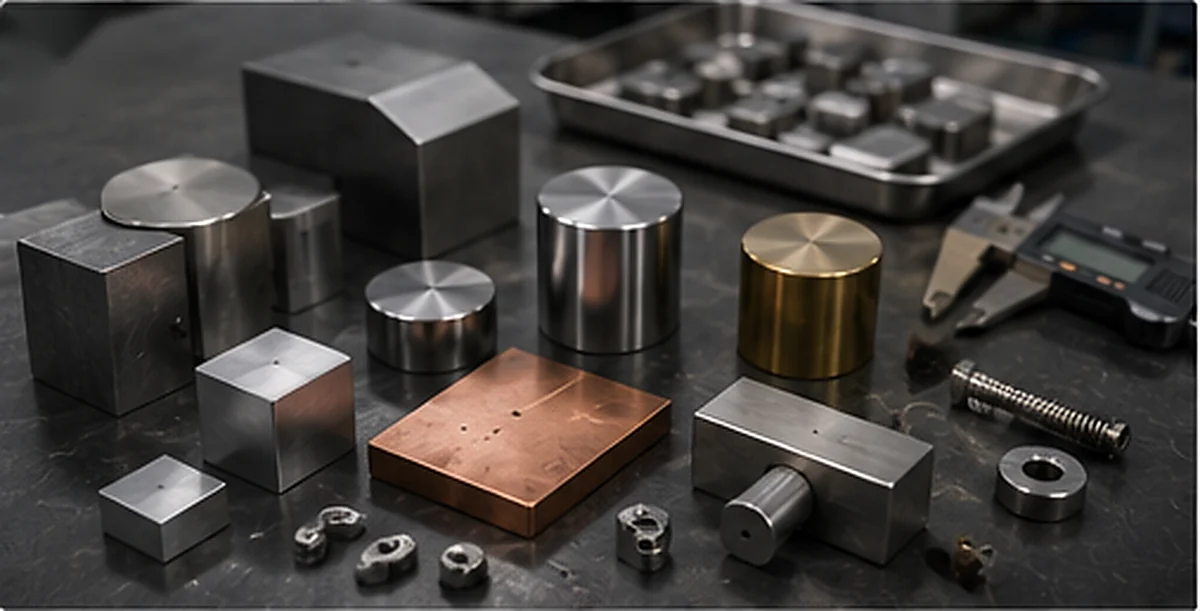
The following magnetic metals list describes the typical response to an ordinary hand-held magnet. It is suitable for preliminary screening, not material certification.
| Metal or material family | Does it normally stick to an ordinary magnet? | Important qualification |
|---|---|---|
| Iron | Yes, strongly | One of the main ferromagnetic elements |
| Carbon and mild steel | Usually yes | Response varies with composition, structure, thickness, and condition |
| Nickel | Yes | Pure nickel is ferromagnetic at ordinary temperatures |
| Cobalt | Yes | Pure cobalt is ferromagnetic at ordinary temperatures |
| Ferritic stainless steel | Usually yes | Commonly gives a clear hand-held magnet response |
| Martensitic stainless steel | Usually yes | Normally ferromagnetic |
| Duplex stainless steel | Usually yes | Contains ferritic and austenitic phases |
| Austenitic stainless steel | Often weak or negligible | Cold work and material condition can increase its response |
| Aluminum | No noticeable ordinary attraction | Paramagnetic, but the response is very weak |
| Copper | No noticeable ordinary attraction | Diamagnetic and does not normally stick |
On smaller screens, swipe the table horizontally to see every column.
This table does not identify exact grades. Supplier documentation, material certificates, chemical analysis, or another suitable identification method is still required when grade confirmation matters.
What Does “Magnetic” Actually Mean?
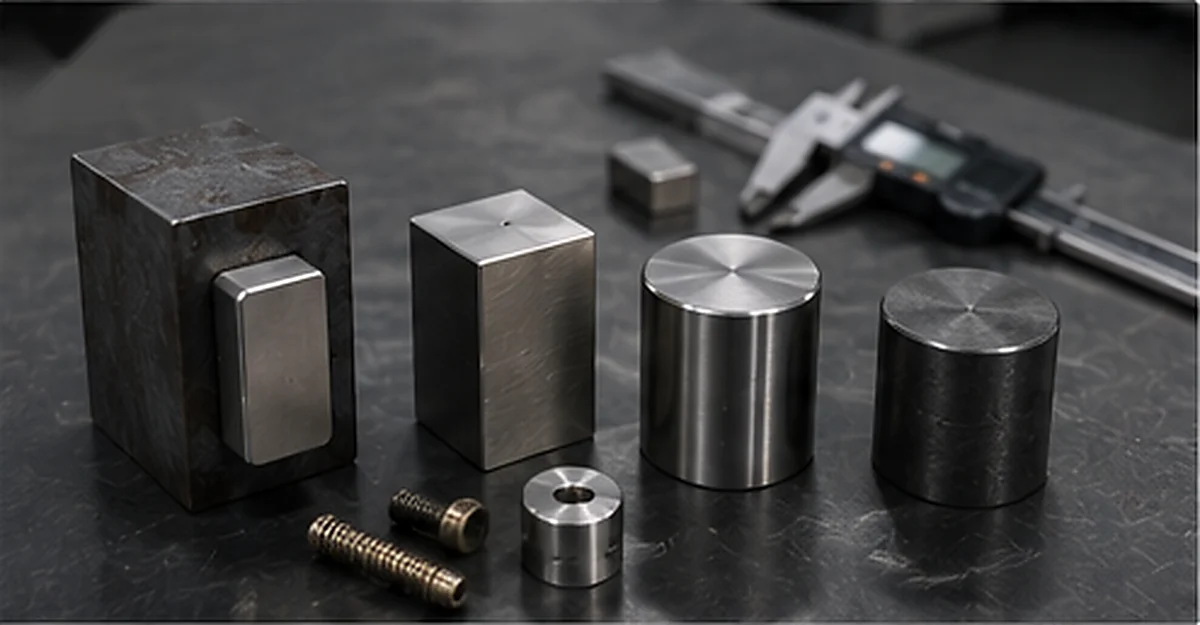
In everyday language, a metal is called magnetic when it sticks to a refrigerator magnet or workshop magnet. In physics, the word covers several different types of material response.
| Term | Meaning | What you normally observe |
|---|---|---|
| Ferromagnetic | Responds strongly to an applied magnetic field and contains magnetic domains | Clear attraction to a hand-held magnet |
| Paramagnetic | Responds weakly in the direction of an applied field | Usually no noticeable hand-held attraction |
| Diamagnetic | Develops a very weak response opposite to the applied field | Usually no noticeable everyday effect |
| Permanent magnet | Retains useful magnetization and produces an external magnetic field | Can attract suitable ferromagnetic materials |
On smaller screens, swipe the table horizontally to see every column.
OpenStax University Physics classifies materials by their ferromagnetic, paramagnetic, and diamagnetic responses. It lists aluminum as paramagnetic and copper as diamagnetic, while explaining why these weak responses are very different from ferromagnetic attraction.
For engineering work, define the requirement clearly. A project may need:
- A target part that can be attracted by a magnet.
- A material that can be magnetized.
- A permanent magnet that produces a useful field.
- A complete magnetic circuit that provides a required force at a working distance.
These are related requirements, but they are not interchangeable.
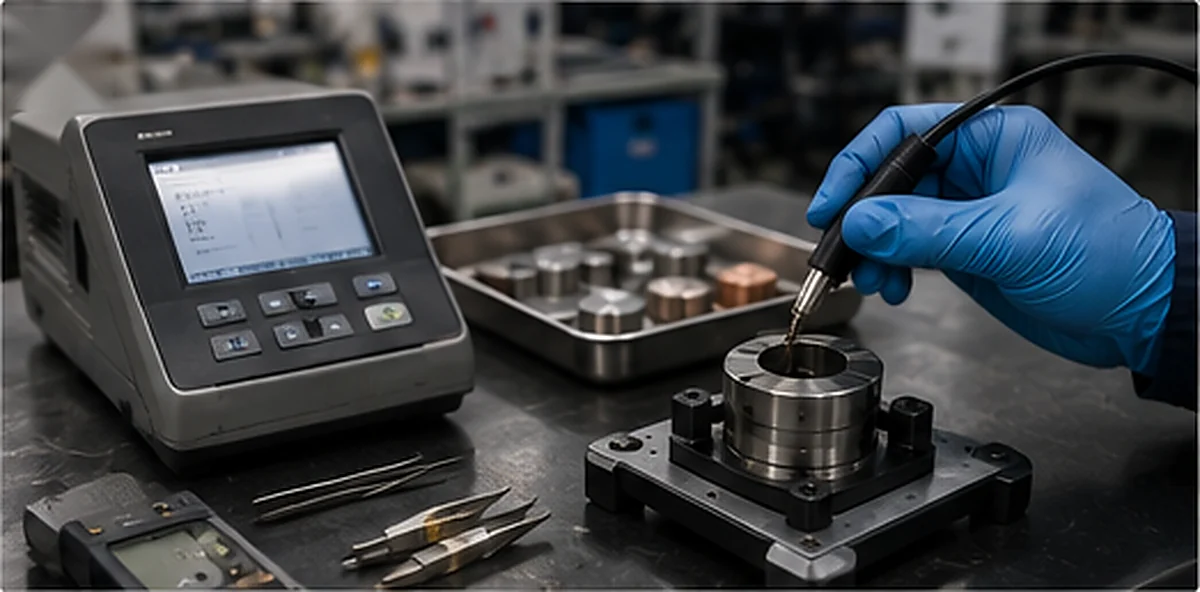
Why Do Iron, Nickel, Cobalt, and Many Steels Attract Magnets?
Ferromagnetic materials contain magnetic domains that can respond strongly to an outside magnetic field. This is why an unmagnetized steel part can still be pulled toward a permanent magnet.
Iron, nickel, and cobalt are the most familiar ferromagnetic metals in ordinary engineering discussions. Many iron-based alloys are also ferromagnetic, but alloy chemistry and microstructure still matter.
It is therefore unsafe to assume that every alloy containing iron, nickel, or cobalt will behave the same way. The finished material condition must be considered.
Are All Steels and Stainless Steels Magnetic?
No. Many steels are attracted to magnets, but not every steel or stainless steel grade produces the same response.
Carbon and mild steels usually respond clearly. Stainless steel is more complicated because its magnetic behavior depends mainly on its metallurgical structure and processing condition.
The British Stainless Steel Association explains that ferritic, martensitic, duplex, and most precipitation-hardening stainless steels normally show a strong response to a hand-held magnet. Austenitic stainless steels usually show little response when fully annealed.
Cold work can increase the magnetic response of some austenitic stainless steels. Composition and heat-treatment condition also matter. See the BSSA guidance on the effect of cold work and heat treatment.
This leads to two practical rules:
- A stainless steel part sticking to a magnet does not prove its exact grade.
- A weak response does not automatically prove that the part is 304 or 316 stainless steel.
Welded or heavily machined areas should be evaluated according to their actual composition and processing history rather than a general rule.
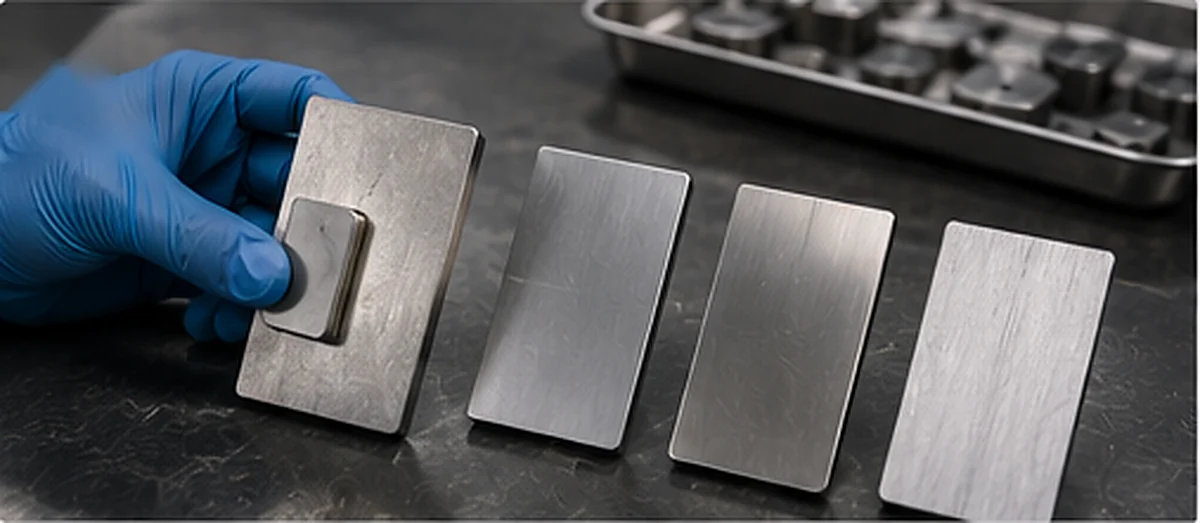
Which Metals Do Not Normally Stick to a Magnet?
Aluminum and copper do not normally show noticeable attraction in a static hand-held magnet test.
Aluminum is paramagnetic, which means it responds weakly in the direction of an applied field. Copper is diamagnetic, which means its weak induced response opposes the applied field. Neither effect normally produces useful holding force with an ordinary permanent magnet.
Aluminum can interact with changing magnetic fields through other physical effects. That is different from ordinary static attraction and belongs in a dedicated discussion of aluminum and magnets.
A plated or painted part may also give a misleading result. A thin outer layer may hide steel, a steel insert, or another ferromagnetic component underneath.
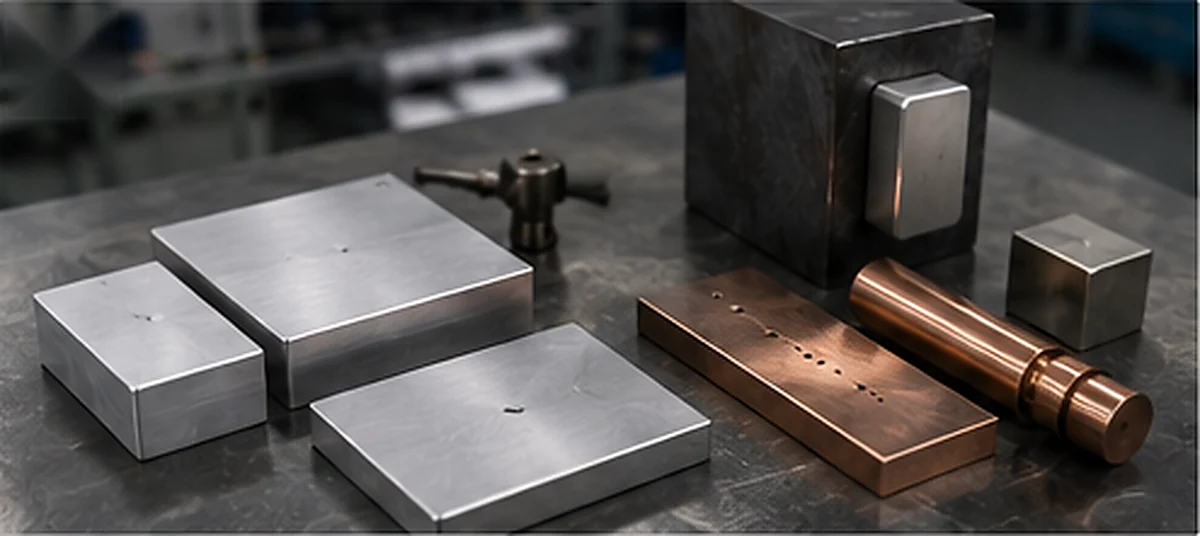
Can You Identify a Metal with a Magnet Test?
A magnet test is useful for quick screening, but it cannot identify an exact alloy.
Use the same small test magnet, similar contact conditions, and known reference samples when comparing parts. Dirt, coatings, curvature, thickness, and hidden inserts can change the result.
| Test result | What it may indicate | What it does not prove |
|---|---|---|
| Strong attraction | A ferromagnetic material or hidden ferromagnetic component may be present | Exact alloy or grade |
| Weak attraction | Austenitic stainless steel affected by processing, a thin ferromagnetic section, or another mixed structure | A specific stainless grade |
| No noticeable attraction | The part may be aluminum, copper, annealed austenitic stainless steel, or another weak-response material | Exact composition |
| Different responses across one part | Mixed materials, inserts, weld areas, coatings, or different processing conditions may be present | The cause without further inspection |
On smaller screens, swipe the table horizontally to see every column.
What Should a Magnet Test Be Used For?
| Use a magnet test for | Do not use it for |
|---|---|
| Preliminary material screening | Exact alloy certification |
| Finding obvious ferromagnetic parts | Confirming 304 versus 316 |
| Detecting a possible hidden steel insert | Approving safety-critical material |
| Comparing samples under consistent conditions | Predicting final assembly holding force |
Use the test as a screening step, not as acceptance evidence for a production specification.
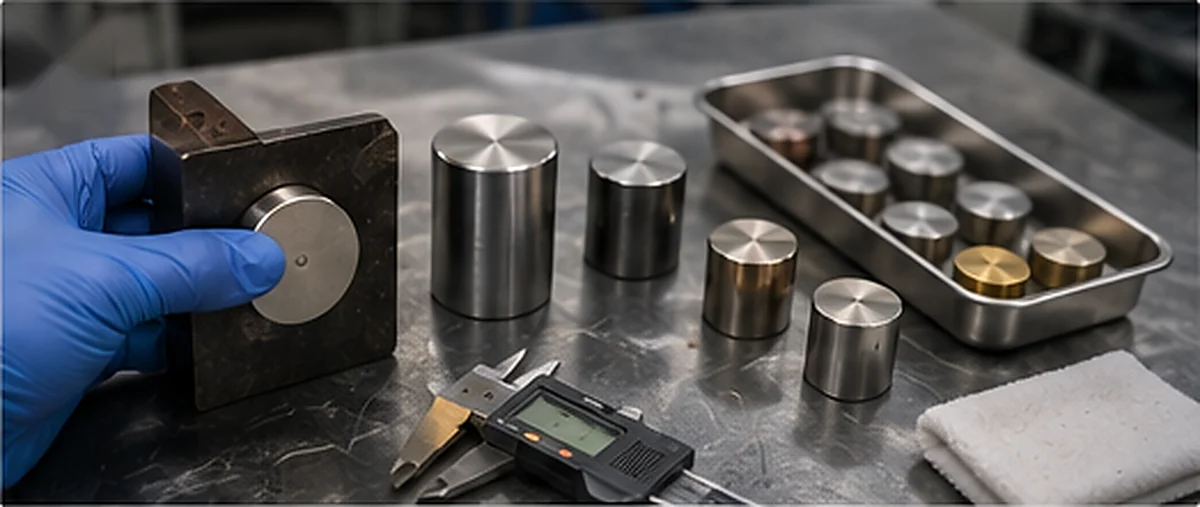
Why Can Magnetic Attraction Change in a Real Assembly?
Knowing that a target metal is ferromagnetic does not tell you how much force a finished assembly will provide.
For buyers, the practical question is:
Can this target material, at its actual thickness and working gap, provide enough usable force in the final assembly?
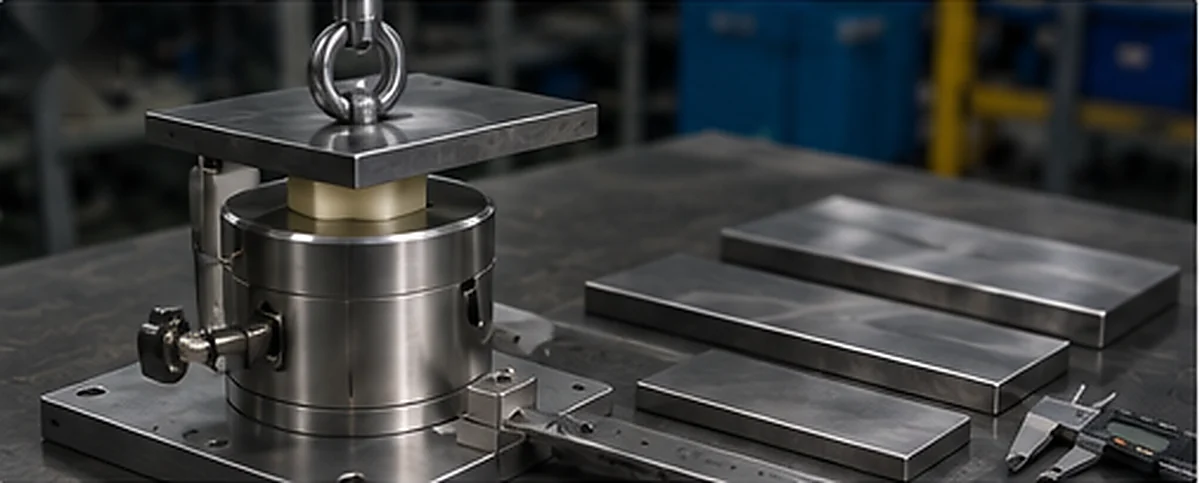
| Assembly factor | Why it matters | Information to provide |
|---|---|---|
| Target material and condition | Different steels and structures respond differently | Grade, family, certificate, or sample |
| Target thickness | Thin steel may limit the usable magnetic circuit | Actual thickness and available target area |
| Working gap | Air, paint, adhesive, plastic, and coatings separate the magnet from the target | Total nonmagnetic gap |
| Surface flatness | Curved, rough, rusty, or uneven surfaces reduce effective contact | Surface drawing or sample |
| Magnet geometry | Diameter, length, thickness, and pole area affect field distribution | Available installation space |
| Magnetization direction | The pole orientation must match the working face | Required working face and assembly orientation |
| Steel backing or housing | A properly designed ferromagnetic structure may redirect flux | Housing material, dimensions, and layout |
| Load direction | Direct pull, sliding, and edge peel create different demands | Load direction and mounting position |
| Operating conditions | Temperature, vibration, impact, and corrosion can affect suitability | Actual service environment |
| Acceptance method | Supplier pull-force values may use different test conditions | Required test setup and pass criteria |
On smaller screens, swipe the table horizontally to see every column.
A coating, air gap, or uneven surface can reduce usable pull force. Thin target steel may also limit performance, but the effect depends on magnet geometry, target material, and the complete magnetic circuit.
Specialist test guidance shows that steel thickness and contact conditions can materially change pull force. It also warns that calculated or catalog values should not replace application testing. See the K&J Magnetics steel-thickness guidance.
A properly designed ferromagnetic backing or housing can direct more magnetic flux toward a working face. This is not automatic; the geometry and material must form a suitable magnetic circuit.
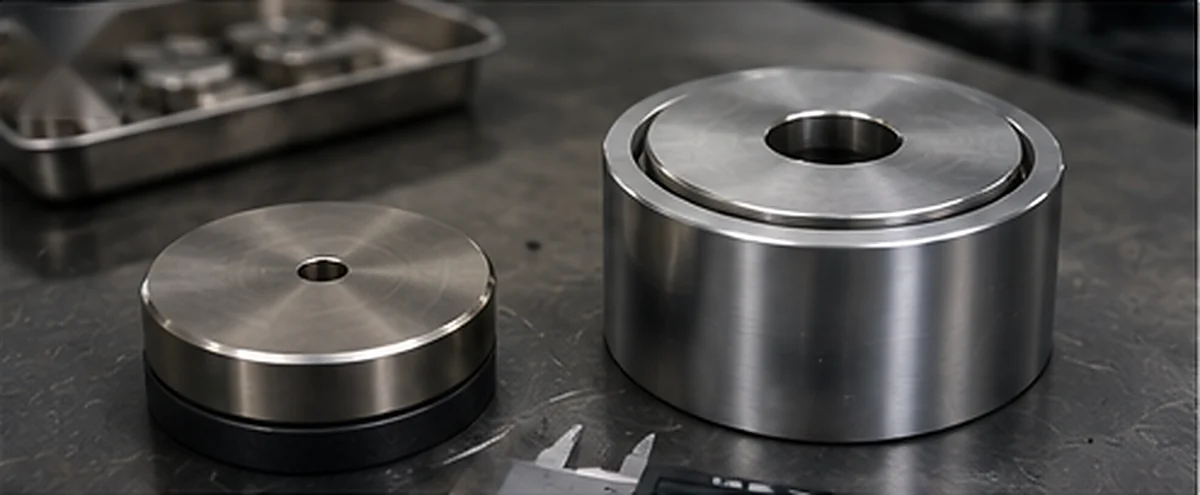
A magnet that performs well in direct pull may behave differently under sliding or edge-peel loading. Sliding resistance also depends on friction, surface condition, and mechanical restraint.
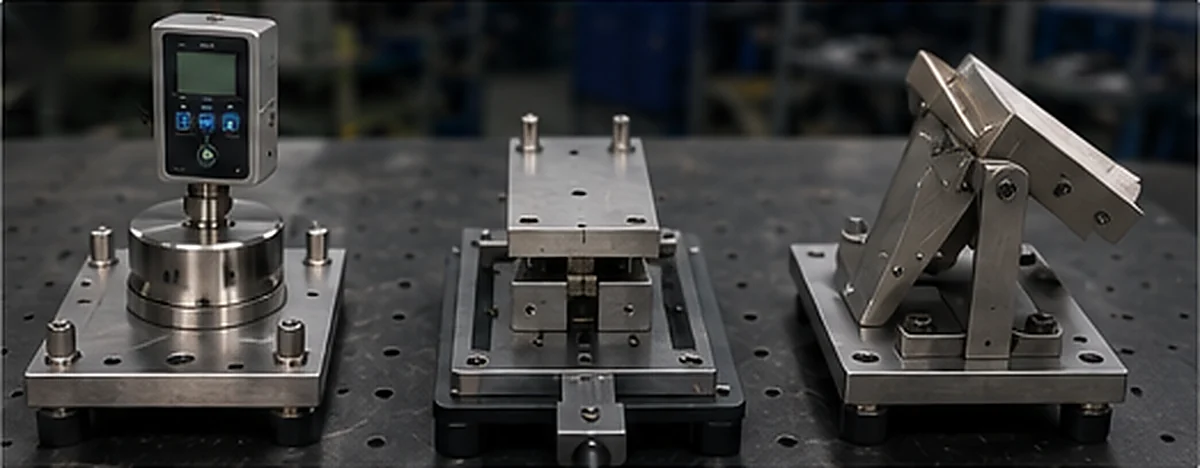
What Should You Provide for a Magnetic Holding or Separation Project?
Provide the following information before selecting a magnet or magnetic assembly:
- Target material family and grade, if known.
- Material condition or processing history.
- Target thickness and available contact area.
- Coatings, paint, adhesive, plastic, or other working gaps.
- Surface shape, flatness, roughness, and corrosion condition.
- Available space for the magnet and housing.
- Required working distance.
- Required force and load direction.
- Whether the load is direct pull, sliding, peel, lifting, or separation.
- Operating temperature and environmental exposure.
- Vibration, impact, movement, or repeated-cycle requirements.
- Drawing, sample, sketch, or assembly layout.
- Required validation method and acceptance conditions.
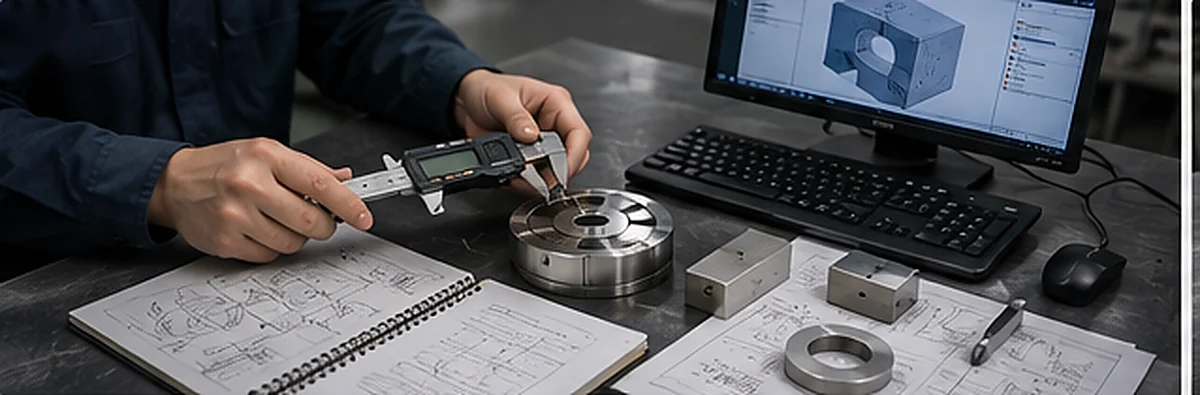
For magnetic separation, also provide the material flow, contamination type, expected particle size, working distance, and cleaning method. A magnetic drum separator or another magnetic structure must be evaluated against the real process rather than selected only by magnet grade.
When Is a Custom Magnet or Magnetic Assembly Review Needed?
A simple hand-held test may be enough for basic material screening. It is not enough when the project has a defined holding force, limited space, a working gap, thin target steel, unusual load direction, or a complex steel housing.
Osenc can review drawings, samples, sketches, and application requirements for custom neodymium magnets and magnetic assemblies. The review may consider magnet geometry, grade, magnetization direction, coating, target material, working gap, and magnetic-circuit structure.
A higher magnet grade is not automatically the correct solution. Geometry, target material, available pole area, temperature, assembly design, cost, and validation requirements must be considered together.
Projects can also begin with suitable neodymium magnet samples or prototypes before moving to batch production. Actual force must be validated under agreed test conditions.
Frequently Asked Questions
What are the three most common magnetic metals?
Iron, nickel, and cobalt are the three best-known ferromagnetic metals in ordinary engineering use. Many alloys based on these elements may also be magnetic, but their response depends on composition and structure.
Is steel magnetic?
Most carbon and mild steels are clearly attracted to magnets. However, stainless steel behavior varies by family and processing condition.
Is stainless steel magnetic?
Some stainless steels are magnetic and others show little attraction. Ferritic, martensitic, and duplex stainless steels are normally magnetic, while fully annealed austenitic stainless steels often respond weakly.
Is aluminum magnetic?
Aluminum is paramagnetic, but it does not normally stick to an ordinary permanent magnet. Its magnetic response is too weak to feel in a standard static test.
Is copper magnetic?
Copper is diamagnetic and does not normally stick to a magnet. Any obvious attraction may indicate a steel insert, contamination, plating, or another material in the part.
Can a magnet test identify a metal grade?
No. It can separate materials by their general magnetic response, but it cannot reliably confirm an exact alloy or stainless steel grade.
Does stronger attraction mean the metal contains more iron?
Not necessarily. Attraction depends on microstructure, composition, target thickness, processing condition, magnet geometry, and the test setup.
Can a magnetic metal guarantee strong holding force?
No. The target material is only one part of the magnetic circuit. Working gap, target thickness, surface condition, magnet geometry, housing, and load direction all affect usable force.
Discuss Your Magnetic Application with Osenc
Selecting a magnetic target material is only the first step. The final design must work with the actual target thickness, gap, surface, load direction, available space, and operating conditions.
Osenc can review your drawing, sample, or application requirements before sample validation. The goal is to match the magnet and magnetic circuit to the real application rather than selecting a magnet only by grade.
Contact Osenc with the target material, drawing, working distance, required force, load direction, and operating environment.
Request an Engineering Review