Gold and magnets | Quick answer
Is Gold Magnetic?
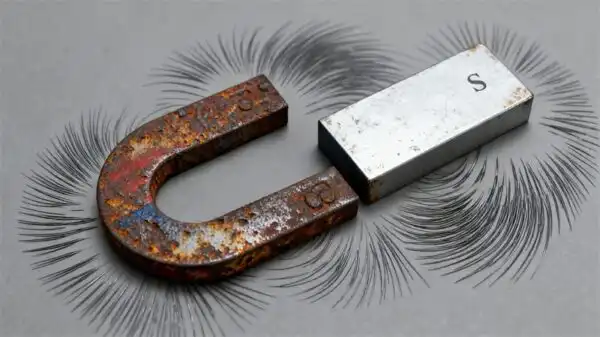
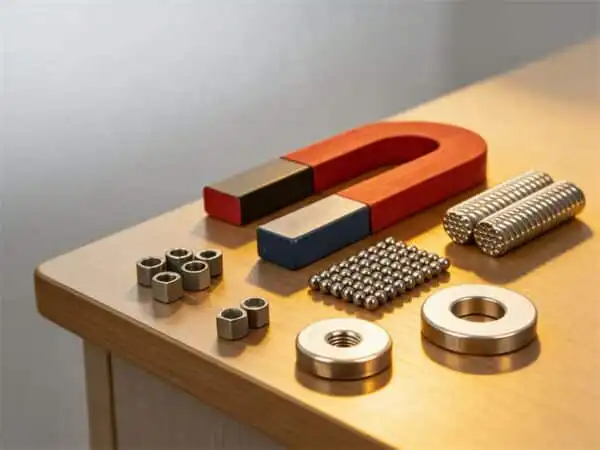
Pure gold is not magnetic in the way iron, nickel, or cobalt are magnetic. In normal everyday tests, pure bulk gold does not stick to a magnet.
Gold is generally classified as a diamagnetic material, meaning it has a very weak negative magnetic response. If a gold-colored object is strongly attracted to a magnet, the attraction usually comes from another material in the item, not from pure gold.
Is Gold Magnetic or Diamagnetic?
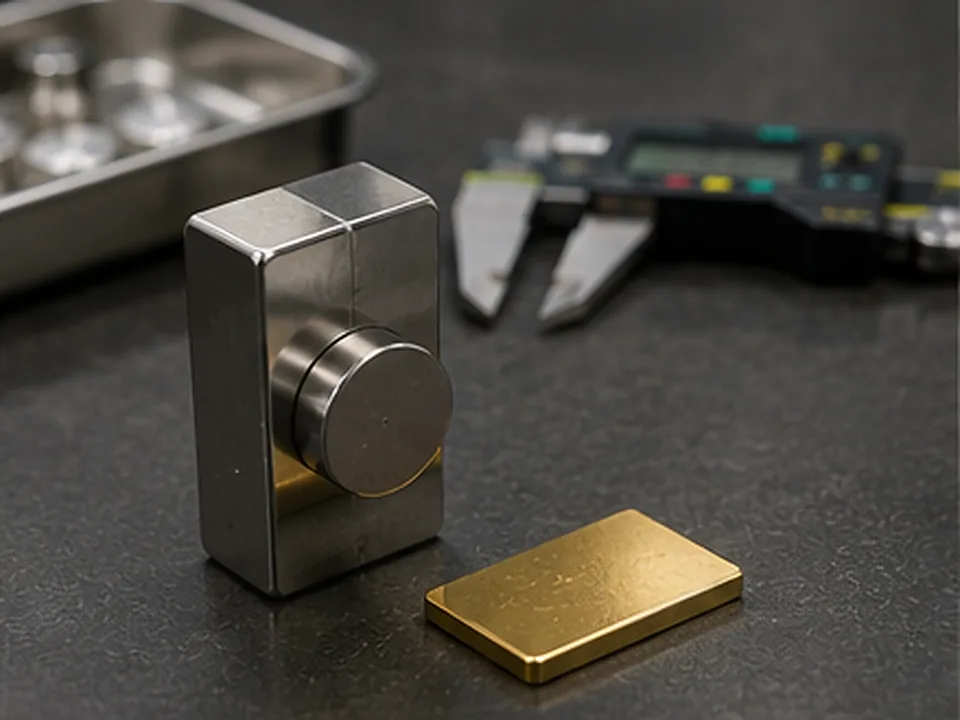
Gold is diamagnetic, not ferromagnetic.
IUPAC defines diamagnetic substances as materials with negative magnetic susceptibility that are repelled out of a magnetic field. Material data for gold lists it as diamagnetic with negative magnetic susceptibility values.
The effect is extremely weak. You should not expect a hand magnet to visibly push away a piece of gold in a normal shop, home, or warehouse test.
This is why people often say “gold is not magnetic.” That everyday answer is useful, as long as we remember the more accurate technical meaning: pure bulk gold has a weak diamagnetic response, but it is not attracted like ferromagnetic metals.
Does Gold Stick to Magnets?
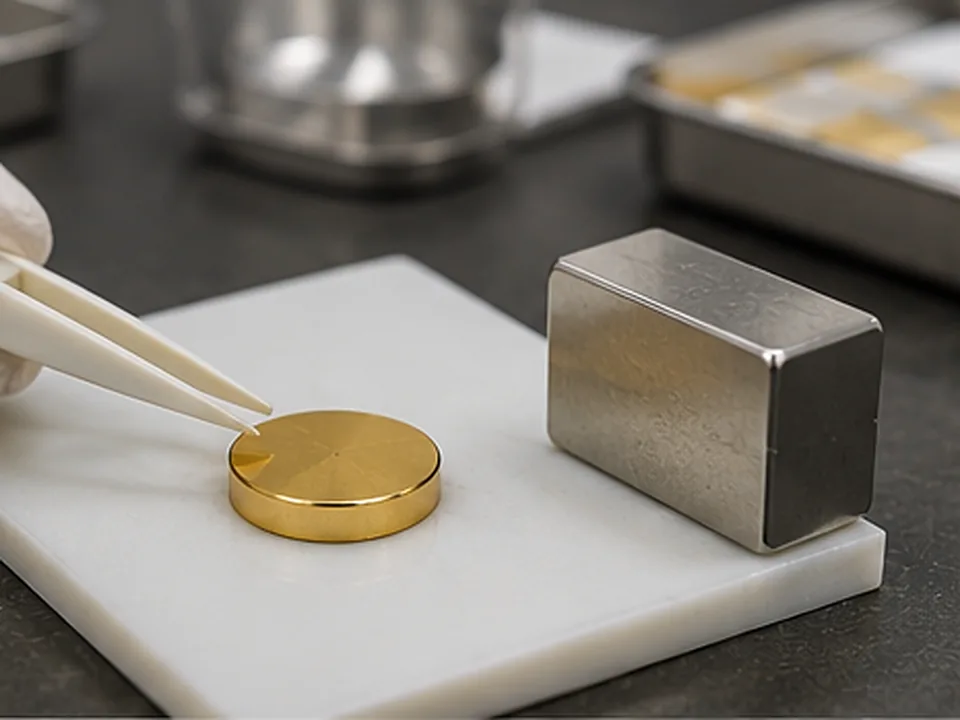
Pure gold does not normally stick to magnets.
If a magnet clearly pulls a gold-colored object, the object probably contains another magnetic material. The magnet is not proving that the gold surface itself is magnetic.
| Test Result | What It May Mean | What It Does Not Prove |
|---|---|---|
| No attraction | The item may be pure gold, non-magnetic alloy, or non-magnetic plated metal. | It does not prove the item is real gold. |
| Weak or uncertain movement | Test setup, item shape, hidden parts, or other metals may affect the result. | It does not confirm gold purity. |
| Strong attraction | A magnetic metal may be inside or attached to the item. | It does not identify the exact alloy. |
| Attraction only at a clasp, pin, or joint | The small component may contain steel or another magnetic material. | It does not mean the whole item is magnetic. |
A magnet test is only a rough screening method. It can warn you that another metal may be present, but it cannot confirm gold purity, gold grade, or material composition.
For valuable parts, jewelry, electrical contacts, or production materials, use qualified material verification instead of relying on a magnet alone.
Why Can Some Gold-Colored Items Be Attracted to Magnets?
Some gold-colored items stick to magnets because they are not pure gold.
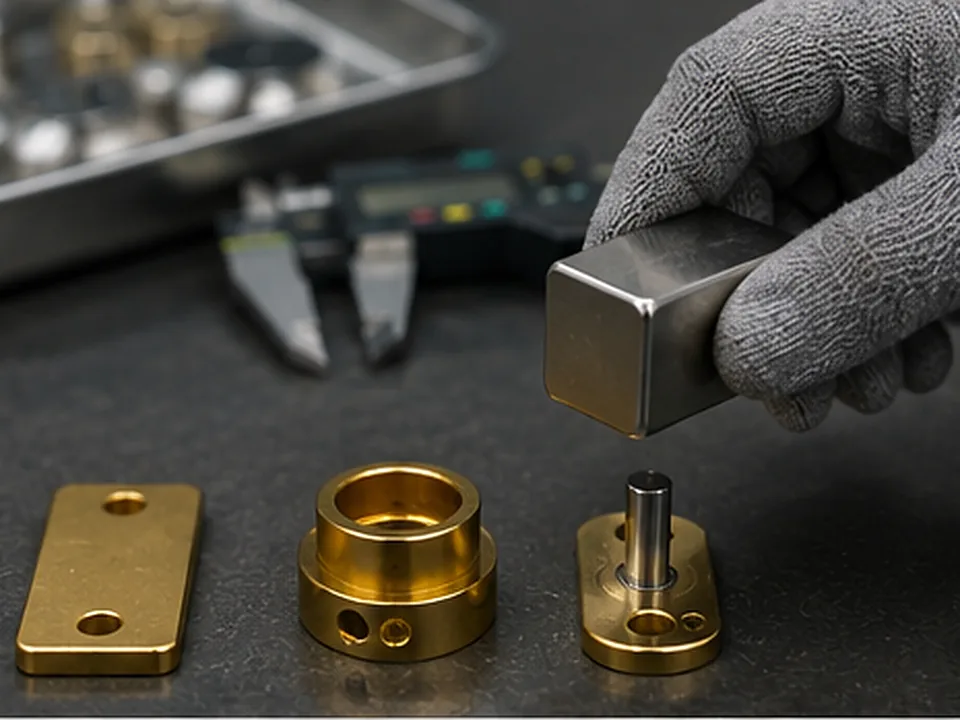
The attraction may come from a hidden base material, a gold-colored coating, a clasp, a spring, a fastener, or contamination from another metal. This is common in mixed-material objects.
A gold-colored surface tells you very little about the magnetic behavior of the full part. The magnet responds to the complete object, not only to the color you see.
For example, a gold-plated steel part may look like gold on the outside but still be attracted strongly because the base metal is steel. A piece of jewelry may have a non-magnetic gold alloy body but a small magnetic spring or pin.
This is why “does gold stick to magnets?” needs a careful answer. Pure gold does not normally stick, but a gold-colored object might.
Can a Magnet Test Prove Gold Is Real?
No. A magnet test cannot prove that gold is real.
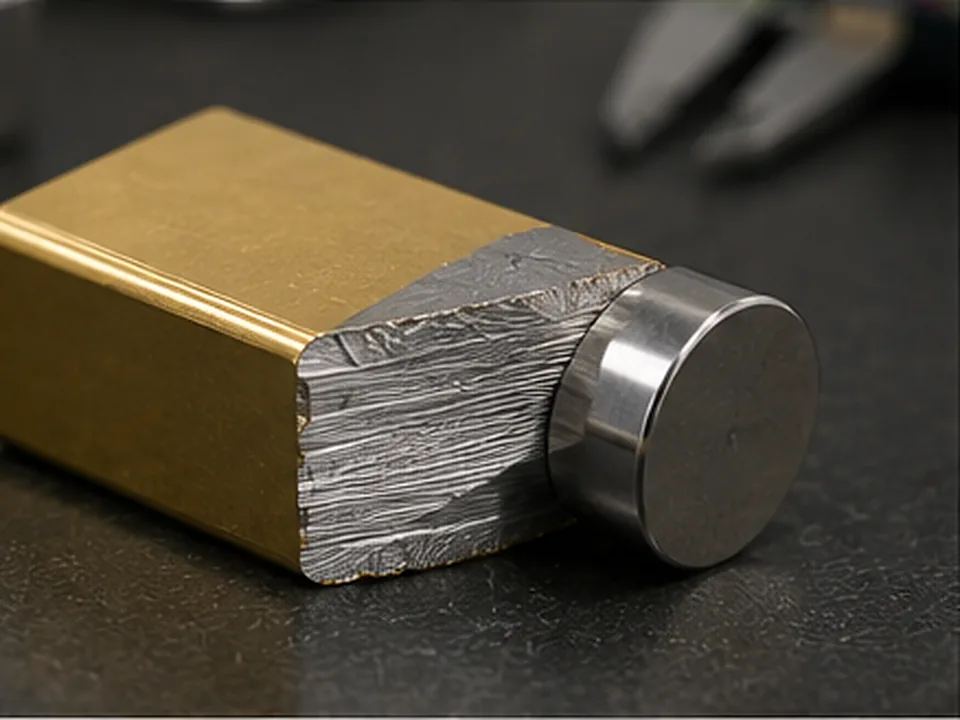
It can only provide a quick warning sign. If an item that is claimed to be pure gold is strongly attracted to a magnet, that result deserves further checking. But if the item is not attracted, it still may be gold-plated brass, gold-plated copper, a non-magnetic alloy, or another non-magnetic material.
For professional decisions, the question should move from “does it stick?” to “what is the actual material?” That may require qualified material verification, supplier documentation, or laboratory testing depending on the value and application.
For engineering parts, this matters because a wrong material assumption can affect magnetic force, corrosion behavior, electrical performance, assembly fit, and quality control.
What Does Gold Mean in Gold-Plated Magnets?
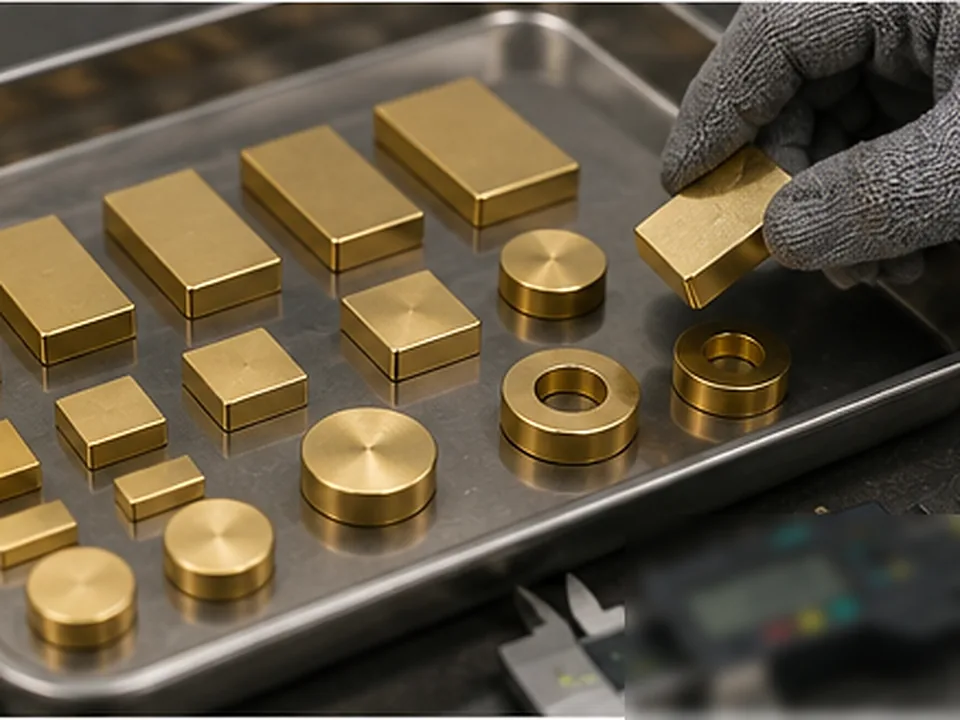
In a gold-plated magnet, the gold layer is a surface coating. It is not the source of magnetic force.
The magnetic force comes from the magnet core, usually a permanent magnet material such as neodymium iron boron when the product is an NdFeB magnet. The coating sits on the surface and may be selected for appearance or application-specific surface requirements.
Osenc lists gold among project-specific coating options for custom neodymium magnet projects. The final coating choice should still be reviewed against the magnet material, operating environment, assembly structure, required dimensions, and buyer’s application requirements.
This is where gold and magnets can become confusing. Gold itself is not magnetic like iron, but a gold-plated neodymium magnet is still a strong magnet because of what is underneath the coating.
For deeper coating selection, readers can compare gold plating for magnets with other neodymium magnet coating options before finalizing the surface requirement.
Does Gold Plating Affect Magnet Performance?
Gold plating does not create the magnet’s pull force. The core magnet does that.
However, coating still matters in a real assembly. Any coating adds material to the surface. In precision magnetic designs, that added thickness can become part of the working distance between the magnet and the target surface.
Magnetic force is sensitive to air gap and contact conditions. If a coating changes the final size, surface condition, or working gap, it may affect the real holding result.
This is especially important when the magnet must fit into a tight housing, align with a sensor, hold a metal target at a specific distance, or meet a pull-force requirement after coating.
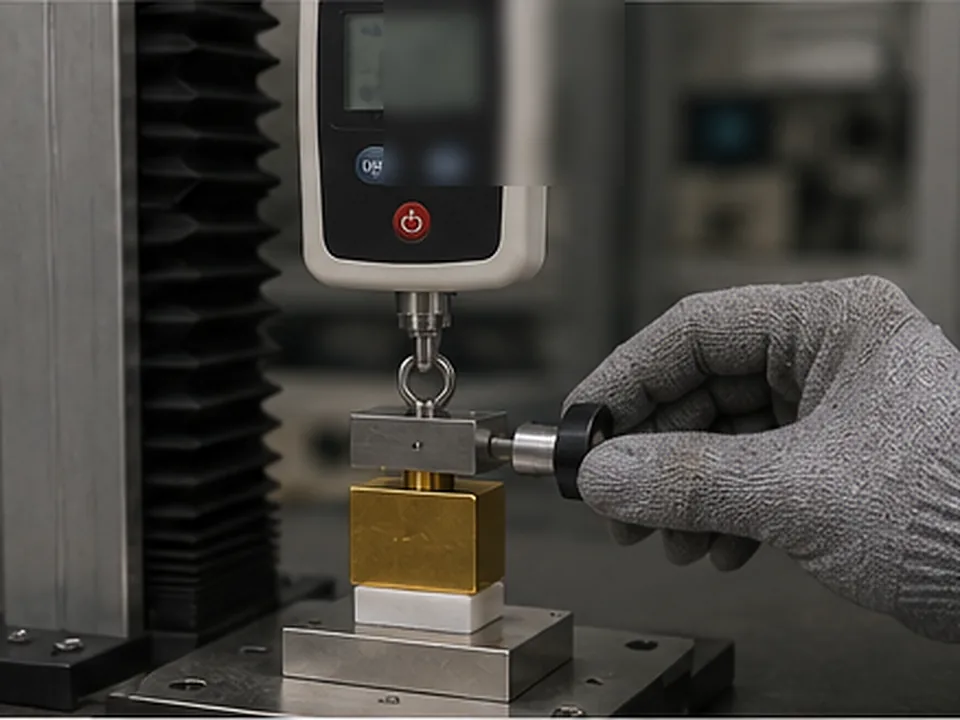
The safe engineering approach is simple: confirm the final magnet dimensions, coating choice, working gap, target material, and acceptance test before production.
What Should Engineers Check When Gold or Gold Plating Is Used Near Magnets?
For B2B magnetic applications, the main risk is not misunderstanding the word “gold.” The main risk is designing around the wrong magnetic material, wrong gap, or wrong coating assumption.
Use this checklist before specifying a gold-plated magnet or a magnet working near a gold-colored part:
| Engineering Question | Why It Matters |
|---|---|
| Is the gold part pure gold, gold alloy, or gold-plated base metal? | The base material may decide the magnetic response. |
| Is the magnet core NdFeB, ferrite, SmCo, or another material? | The core material decides magnetic performance. |
| What is the target surface material? | Pull force changes with the target metal and contact area. |
| What is the working distance or air gap? | Even a small gap can reduce real holding force. |
| What is the coating purpose? | Appearance, corrosion exposure, contact surface, and assembly needs are different goals. |
| What final dimensions are required after coating? | Coating can affect fit and tolerance. |
| What is the pull direction? | Direct pull, shear, sliding, and torque are different load cases. |
| What test method will be used for acceptance? | Surface field and pull force are not the same measurement. |
This checklist helps avoid a common mistake: choosing a coating by appearance first, then discovering later that the magnet no longer fits or performs as expected in the assembly.
How Osenc Can Help With Gold-Plated or Custom Magnet Projects
Osenc focuses on custom neodymium magnets and magnetic assemblies, especially projects where size, shape, grade, coating, magnetization direction, working distance, or assembly structure must be reviewed before production.
For a gold-plated magnet project, Osenc can help review:
For complex assemblies, the decision may not be only “gold plating or not.” The better question may be whether the whole magnetic circuit, coating system, housing, target material, and working gap match the product function.
That is where early review can reduce sourcing mistakes and sample iterations.
What Information Should You Send for a Custom Magnet Inquiry?
If you need a custom magnet, gold-plated magnet, or magnetic assembly, send practical application details instead of only asking for a size and grade.
| RFQ Input | Example of What to Provide |
|---|---|
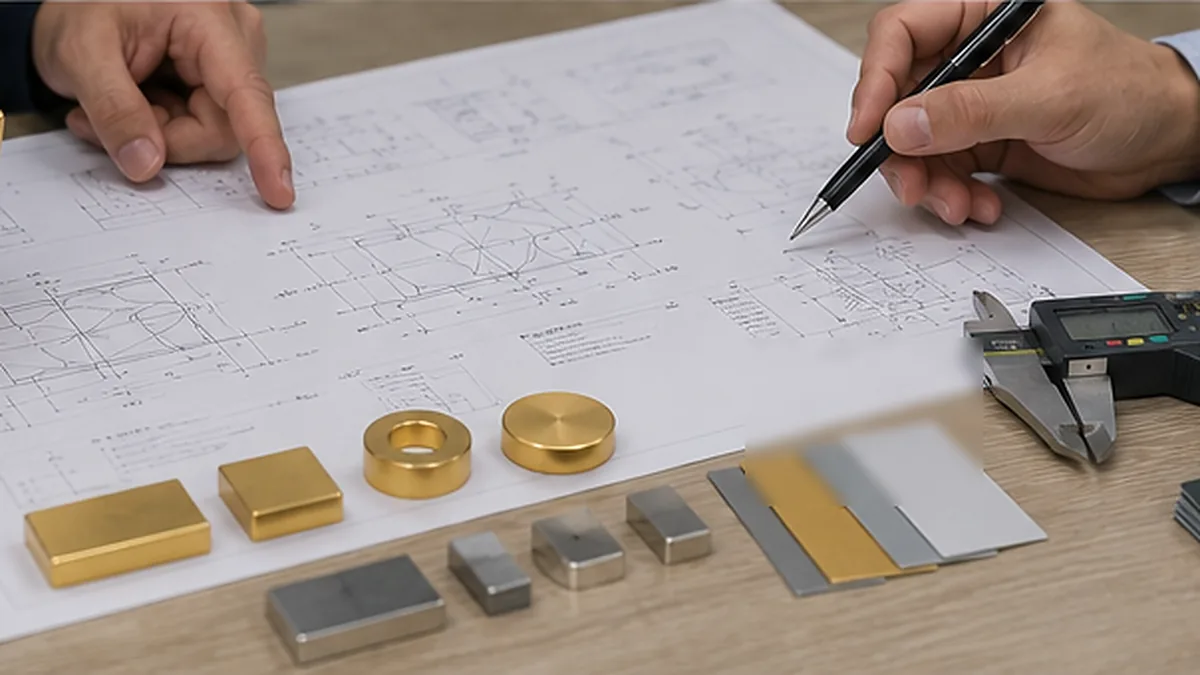
| Magnet drawing or sketch | Size, shape, tolerance, chamfer, hole, slot, or special geometry. |
| Magnet material preference | NdFeB, SmCo, ferrite, or “not sure yet.” |
| Coating requirement | Gold, nickel, epoxy, zinc, Parylene, PTFE, or application-based request. |
| Coating purpose | Appearance, corrosion exposure, contact surface, electrical contact, or other surface need. |
| Working distance | Direct contact, coated contact, plastic cover, air gap, or housing thickness. |
| Target material | Steel, stainless steel, another magnet, sensor, rotor, or custom part. |
| Load direction | Pull, shear, rotation, torque, positioning, or sensing. |
| Operating environment | Temperature, humidity, salt spray exposure, outdoor use, cleaning, or chemical contact. |
| Test requirement | Pull force, surface field, dimension inspection, coating inspection, or sample validation. |
| Quantity stage | Prototype, small batch, or production plan. |
If you are not sure which grade, coating, or magnetization direction to choose, Osenc can review the application requirements and help narrow the options before sampling.
FAQ
Is gold magnetic?
Pure bulk gold is diamagnetic and does not normally stick to magnets in everyday static tests. If a gold-colored item sticks strongly, the attraction likely comes from another material.
Does gold stick to magnets?
Pure gold does not normally stick to magnets. But gold-plated steel, mixed-material jewelry, magnetic clasps, or parts with hidden ferromagnetic metals may stick.
Can a magnet tell if gold is real?
No. A magnet test cannot prove that gold is real. It can only indicate whether a magnetic material may be present.
Is gold plating magnetic?
The gold plating itself is not the magnetic source. In a gold-plated magnet, the magnetism comes from the magnetic core underneath the coating.
Does gold plating reduce magnet strength?
Gold plating does not create or remove the core magnet’s magnetic property. But coating thickness, surface condition, and working gap can affect the force measured in a real assembly.
What should I check before ordering gold-plated magnets?
Confirm the magnet material, coating purpose, final dimensions, working gap, target surface, load direction, operating environment, and test method.
Sources
- IUPAC Gold Book: diamagnetic – used for the definition of diamagnetic behavior.
- Technical data for Gold – used for gold’s magnetic type and magnetic susceptibility data.
Need Help Choosing a Coating or Magnet Structure?
Send Osenc your drawing, target material, working gap, coating requirement, and test expectation. Osenc can help review the magnet design, coating choice, magnetization direction, and sample validation path before production.
Contact Osenc for Engineering Review