






Guía de materiales e ingeniería
¿Qué metales son magnéticos?
El hierro, el níquel y el cobalto son los metales más conocidos por su fuerte atracción hacia los imanes. Muchas aleaciones con base de hierro, como el acero al carbono y varias familias de aceros inoxidables, también presentan una respuesta magnética clara.
Sin embargo, el nombre del metal por sí solo no es suficiente. La estructura de la aleación, el estado de procesamiento, el espesor de la pieza, la superficie de contacto y la configuración del ensayo pueden modificar el resultado observado.
El aluminio y el cobre no suelen adherirse a un imán permanente convencional. Aunque responden a los campos magnéticos, su respuesta es demasiado débil para percibirla en una prueba manual habitual.
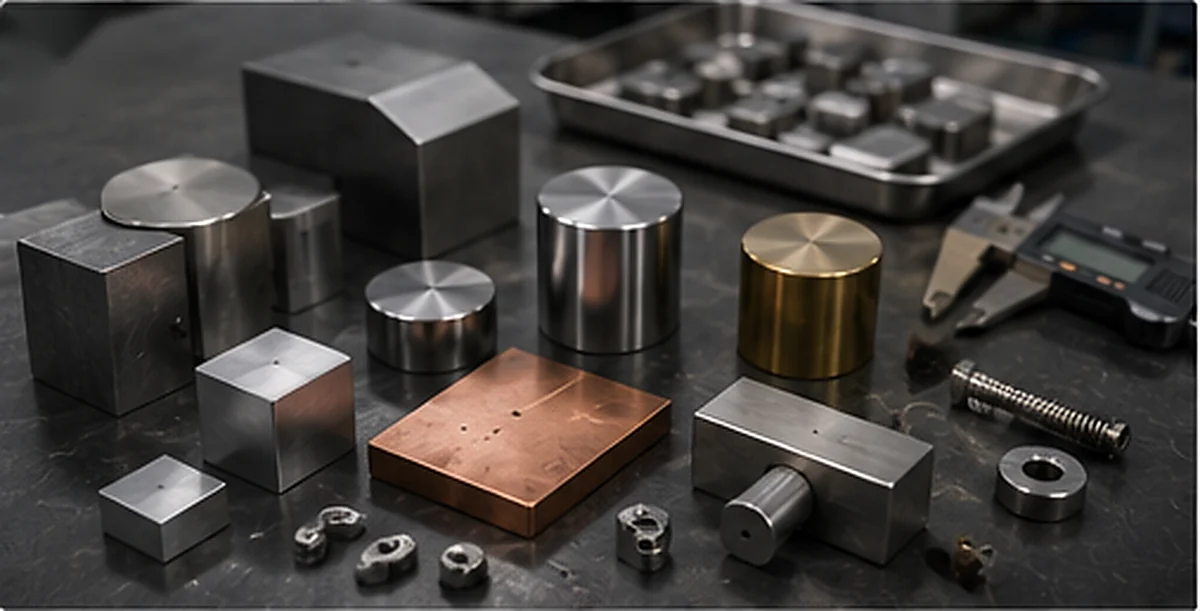
¿Qué metales son magnéticos? Tabla de consulta rápida
La siguiente lista de metales magnéticos describe su respuesta habitual ante un imán convencional de mano. Es adecuada para una evaluación preliminar, no para certificar el material.
| Metal o familia de materiales | ¿Se adhiere normalmente a un imán convencional? | Consideración importante |
|---|---|---|
| Hierro | Sí, con fuerza | Uno de los principales elementos ferromagnéticos |
| Acero al carbono y acero dulce | Normalmente sí | La respuesta varía según la composición, la estructura, el espesor y el estado |
| Níquel | Sí | El níquel puro es ferromagnético a temperaturas habituales |
| Cobalto | Sí | El cobalto puro es ferromagnético a temperaturas normales |
| Acero inoxidable ferrítico | Normalmente sí | Suele presentar una respuesta clara ante un imán de mano |
| Acero inoxidable martensítico | Normalmente sí | Normalmente es ferromagnético |
| Acero inoxidable dúplex | Normalmente sí | Contiene fases ferrítica y austenítica |
| Acero inoxidable austenítico | A menudo débil o inapreciable | El trabajo en frío y el estado del material pueden aumentar su respuesta |
| Aluminio | No presenta una atracción apreciable en condiciones normales | Es paramagnético, pero la respuesta es muy débil |
| Cobre | No presenta una atracción apreciable en condiciones normales | Es diamagnético y normalmente no se adhiere |
En pantallas más pequeñas, deslice la tabla horizontalmente para ver todas las columnas.
Esta tabla no permite identificar grados exactos. Cuando sea necesario confirmar el grado, seguirá siendo preciso consultar la documentación del proveedor, los certificados de material, un análisis químico u otro método de identificación adecuado.
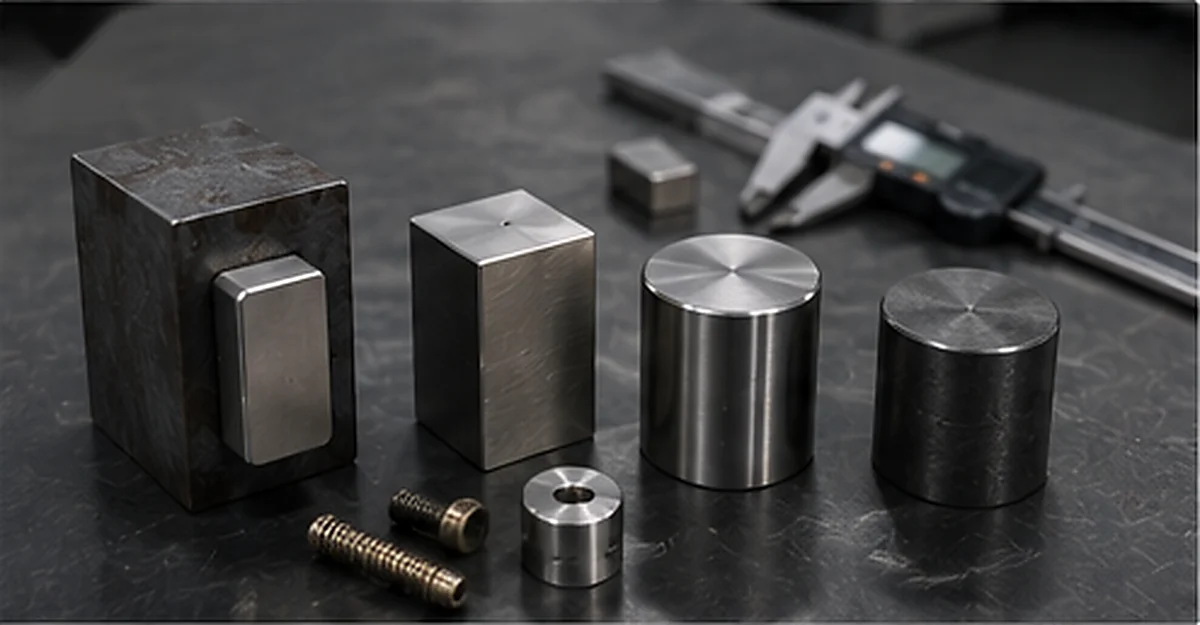
¿Qué significa realmente “magnético”?
En el lenguaje cotidiano, se dice que un metal es magnético cuando se adhiere a un imán de frigorífico o de taller. En física, el término abarca varios tipos distintos de respuesta de los materiales.
| Término | Significado | Lo que se observa normalmente |
|---|---|---|
| Ferromagnético | Responde intensamente a un campo magnético aplicado y contiene dominios magnéticos | Atracción clara hacia un imán de mano |
| Paramagnético | Responde débilmente en la dirección del campo aplicado | Por lo general, no se aprecia atracción hacia un imán de mano |
| Diamagnético | Desarrolla una respuesta muy débil en sentido opuesto al campo aplicado | Por lo general, no se aprecia ningún efecto en condiciones cotidianas |
| Imán permanente | Conserva una magnetización útil y genera un campo magnético externo | Puede atraer materiales ferromagnéticos adecuados |
En pantallas más pequeñas, deslice la tabla horizontalmente para ver todas las columnas.
OpenStax University Physics clasifica los materiales según su respuesta ferromagnética, paramagnética y diamagnética. Incluye el aluminio entre los materiales paramagnéticos y el cobre entre los diamagnéticos, y explica por qué estas respuestas débiles son muy distintas de la atracción ferromagnética.
Para un proyecto de ingeniería, es preciso definir claramente el requisito. Un proyecto puede requerir:
- Una pieza objetivo que pueda ser atraída por un imán.
- Un material que pueda magnetizarse.
- Un imán permanente que genere un campo útil.
- Un circuito magnético completo que proporcione la fuerza requerida a una determinada distancia de trabajo.
Estos requisitos están relacionados, pero no son equivalentes.
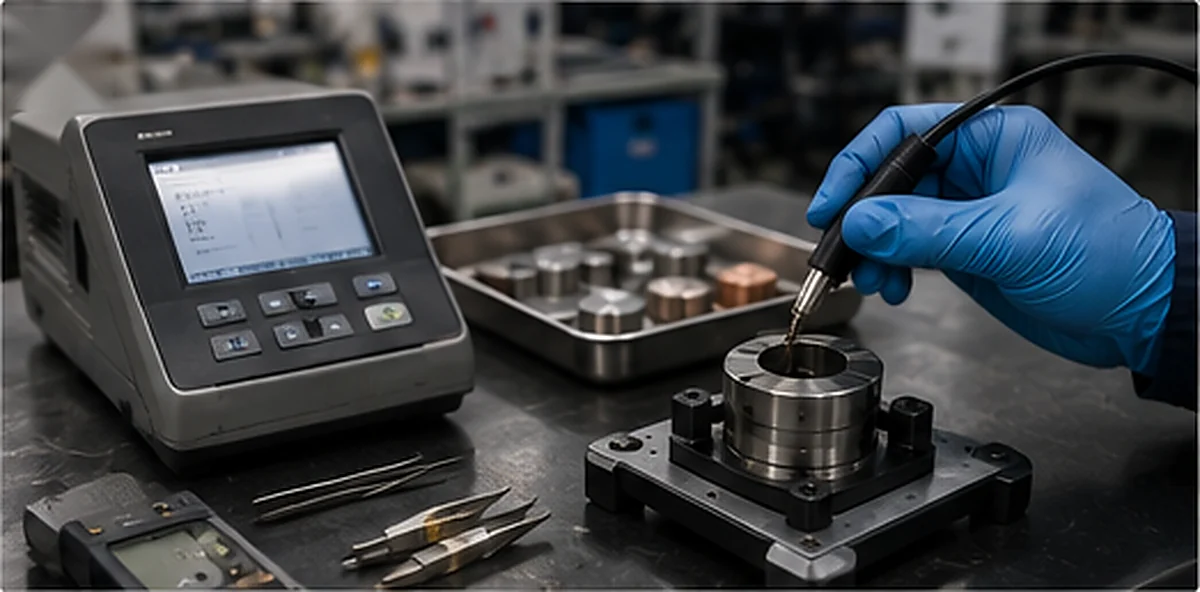
¿Por qué el hierro, el níquel, el cobalto y muchos aceros son atraídos por los imanes?
Los materiales ferromagnéticos contienen dominios magnéticos que pueden responder intensamente a un campo magnético externo. Por este motivo, una pieza de acero sin magnetizar puede ser atraída por un imán permanente.
El hierro, el níquel y el cobalto son los metales ferromagnéticos más conocidos en el ámbito habitual de la ingeniería. Muchas aleaciones con base de hierro también son ferromagnéticas, pero su composición química y microestructura siguen siendo factores determinantes.
Por tanto, no es seguro suponer que todas las aleaciones que contienen hierro, níquel o cobalto se comportan de la misma manera. Debe tenerse en cuenta el estado final del material.
¿Todos los aceros y aceros inoxidables son magnéticos?
No. Muchos aceros son atraídos por los imanes, pero no todos los tipos de acero o grados de acero inoxidable presentan la misma respuesta.
Los aceros al carbono y los aceros dulces suelen presentar una respuesta clara. El acero inoxidable es más complejo, ya que su comportamiento magnético depende principalmente de su estructura metalúrgica y del estado de procesamiento.
La Asociación Británica del Acero Inoxidable explica que los aceros inoxidables ferríticos, martensíticos, dúplex y la mayoría de los endurecibles por precipitación suelen presentar una respuesta intensa ante un imán de mano. Los aceros inoxidables austeníticos suelen presentar poca respuesta cuando están completamente recocidos.
El trabajo en frío puede aumentar la respuesta magnética de algunos aceros inoxidables austeníticos. La composición y el estado del tratamiento térmico también influyen. Consulte las directrices de la BSSA sobre el efecto del trabajo en frío y el tratamiento térmico.
De ello se derivan dos reglas prácticas:
- Que una pieza de acero inoxidable se adhiera a un imán no permite determinar su grado exacto.
- Una respuesta débil no demuestra automáticamente que la pieza sea de acero inoxidable 304 o 316.
Las zonas soldadas o sometidas a un mecanizado intensivo deben evaluarse en función de su composición real y su historial de procesamiento, en lugar de aplicar una regla general.
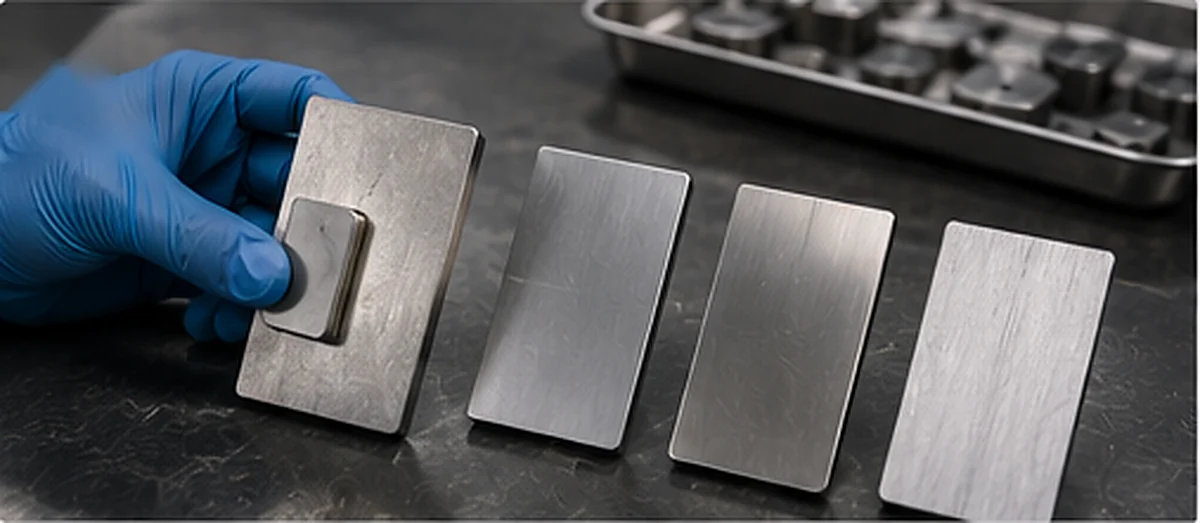
¿Qué metales no suelen adherirse a un imán?
El aluminio y el cobre no suelen presentar una atracción apreciable en una prueba estática con un imán de mano.
El aluminio es paramagnético, lo que significa que responde débilmente en la dirección del campo aplicado. El cobre es diamagnético, lo que significa que su débil respuesta inducida se opone al campo aplicado. Ninguno de estos efectos suele generar una fuerza de sujeción útil con un imán permanente convencional.
El aluminio puede interactuar con campos magnéticos variables mediante otros efectos físicos. Esto difiere de la atracción estática convencional y debe tratarse en un análisis específico sobre el aluminio y los imanes.
Una pieza chapada o pintada también puede dar un resultado engañoso. Una capa exterior fina puede ocultar acero, un inserto de acero u otro componente ferromagnético situado debajo.
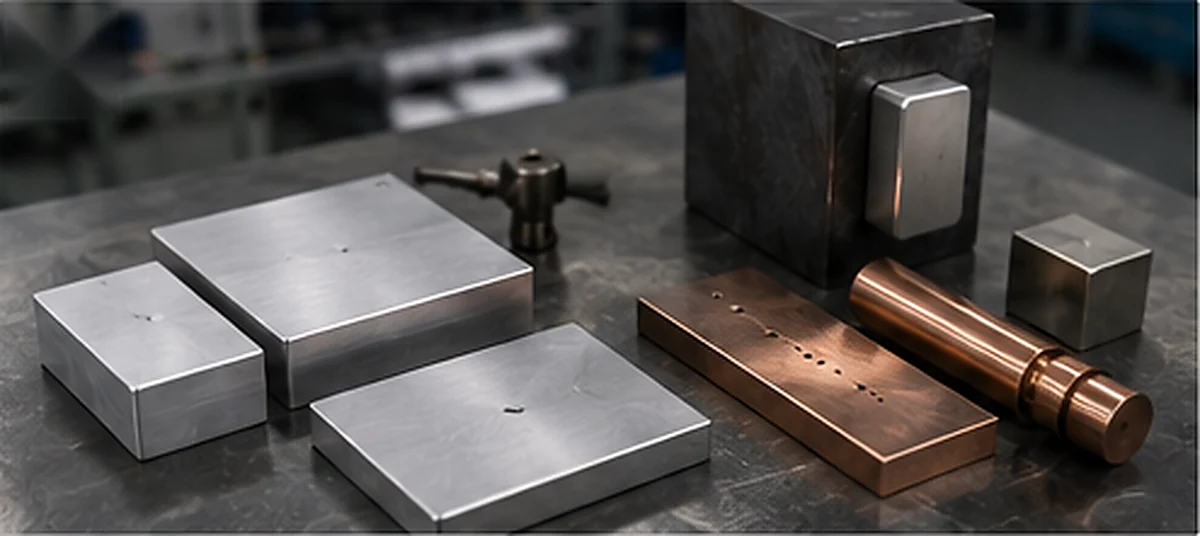
¿Se puede identificar un metal mediante una prueba con un imán?
Una prueba con un imán resulta útil para una comprobación rápida, pero no permite identificar una aleación exacta.
Al comparar piezas, utilice el mismo imán de prueba pequeño, condiciones de contacto similares y muestras de referencia conocidas. La suciedad, los recubrimientos, la curvatura, el espesor y los insertos ocultos pueden alterar el resultado.
| Resultado de la prueba | Qué puede indicar | Qué no demuestra |
|---|---|---|
| Atracción intensa | Puede haber un material ferromagnético o un componente ferromagnético oculto | Aleación o grado exactos |
| Atracción débil | Acero inoxidable austenítico afectado por el procesamiento, una sección ferromagnética delgada u otra estructura mixta | Un grado específico de acero inoxidable |
| Ninguna atracción apreciable | La pieza puede ser de aluminio, cobre, acero inoxidable austenítico recocido u otro material con una respuesta débil | Composición exacta |
| Respuestas diferentes en una misma pieza | Puede haber materiales mixtos, insertos, zonas de soldadura, recubrimientos o distintas condiciones de procesamiento | La causa sin una inspección adicional |
En pantallas más pequeñas, deslice la tabla horizontalmente para ver todas las columnas.
¿Para qué debe utilizarse una prueba con un imán?
| Utilice una prueba con un imán para | No la utilice para |
|---|---|
| Evaluación preliminar de materiales | Certificación exacta de la aleación |
| Localización de piezas claramente ferromagnéticas | Confirmación de si se trata de 304 o 316 |
| Detección de un posible inserto de acero oculto | Aprobación de materiales críticos para la seguridad |
| Comparación de muestras en condiciones uniformes | Predicción de la fuerza de sujeción del conjunto final |
Utilice la prueba como paso de evaluación preliminar, no como evidencia de aceptación de una especificación de producción.
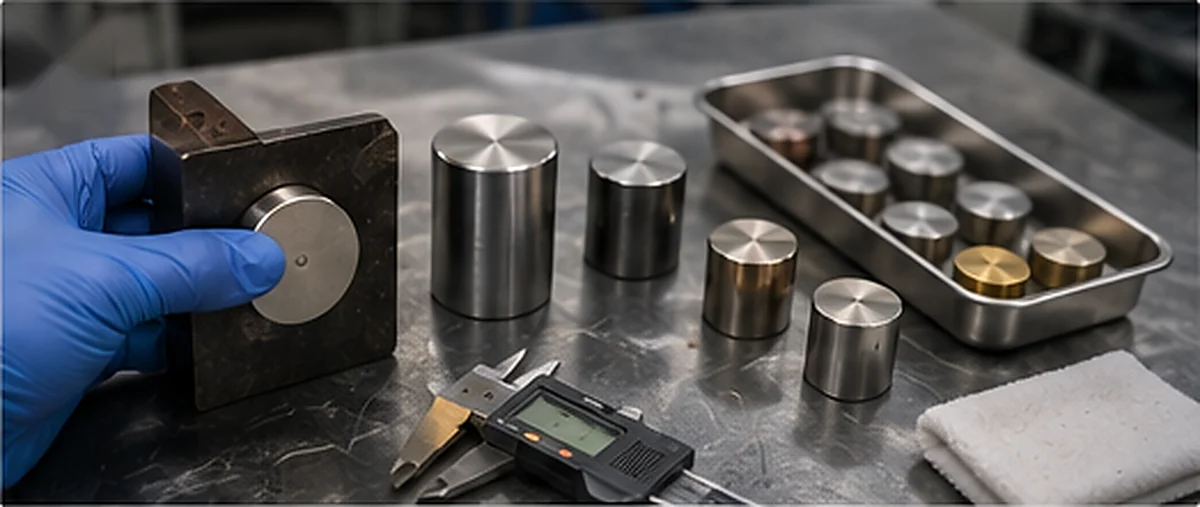
¿Por qué puede variar la atracción magnética en un conjunto real?
Saber que un metal objetivo es ferromagnético no permite determinar cuánta fuerza proporcionará el conjunto final.
Para el comprador, la cuestión práctica es:
¿Puede este material objetivo, con su espesor real y el entrehierro de trabajo, proporcionar suficiente fuerza útil en el conjunto final?
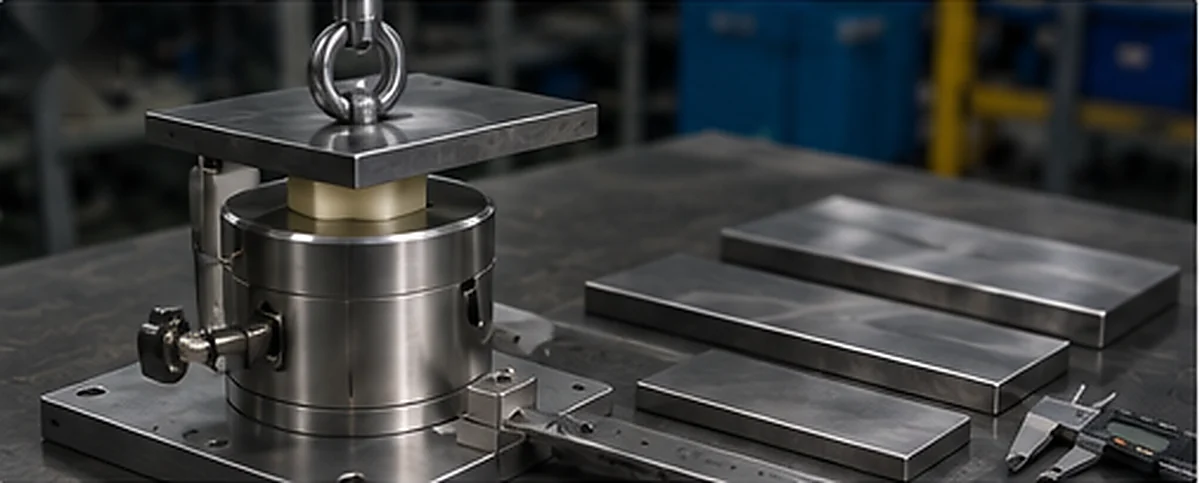
| Factor del conjunto | Por qué es importante | Información que se debe facilitar |
|---|---|---|
| Material objetivo y estado | Los distintos aceros y estructuras responden de forma diferente | Grado, familia, certificado o muestra |
| Espesor del material objetivo | Un acero fino puede limitar el circuito magnético útil | Espesor real y superficie disponible del material objetivo |
| Entrehierro de trabajo | El aire, la pintura, el adhesivo, el plástico y los recubrimientos separan el imán del material objetivo | Entrehierro no magnético total |
| Planitud superficial | Las superficies curvas, rugosas, oxidadas o irregulares reducen el contacto efectivo | Plano técnico o muestra de la superficie |
| Geometría del imán | El diámetro, la longitud, el espesor y la superficie polar afectan a la distribución del campo | Espacio disponible para la instalación |
| Dirección de magnetización | La orientación de los polos debe coincidir con la cara activa | Cara activa necesaria y orientación del conjunto |
| Placa posterior o carcasa de acero | Una estructura ferromagnética correctamente diseñada puede redirigir el flujo magnético | Material, dimensiones y disposición de la carcasa |
| Dirección de la carga | La tracción directa, el deslizamiento y el desprendimiento por el borde plantean exigencias diferentes | Dirección de la carga y posición de montaje |
| Condiciones de funcionamiento | La temperatura, las vibraciones, los impactos y la corrosión pueden afectar a la idoneidad | Entorno de servicio real |
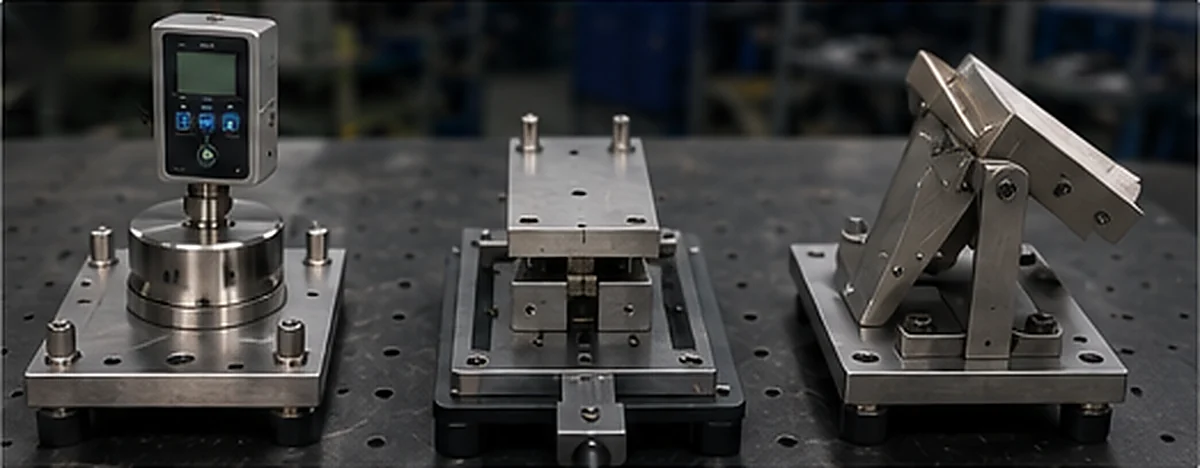
| Método de aceptación | Los valores de fuerza de desprendimiento de los proveedores pueden basarse en condiciones de ensayo diferentes | Configuración de ensayo requerida y criterios de aceptación |
En pantallas más pequeñas, deslice la tabla horizontalmente para ver todas las columnas.
Un recubrimiento, un entrehierro o una superficie irregular pueden reducir la fuerza de desprendimiento útil. Un espesor reducido del acero objetivo también puede limitar el rendimiento, pero el efecto depende de la geometría del imán, del material objetivo y del circuito magnético completo.
Las directrices de ensayo de especialistas indican que el espesor del acero y las condiciones de contacto pueden modificar considerablemente la fuerza de desprendimiento. También advierten de que los valores calculados o de catálogo no deben sustituir a los ensayos en la aplicación. Consulte la guía de K&J Magnetics sobre el espesor del acero.
Una placa posterior o una carcasa ferromagnética correctamente diseñadas pueden dirigir más flujo magnético hacia una cara activa. Esto no sucede de forma automática; la geometría y el material deben formar un circuito magnético adecuado.
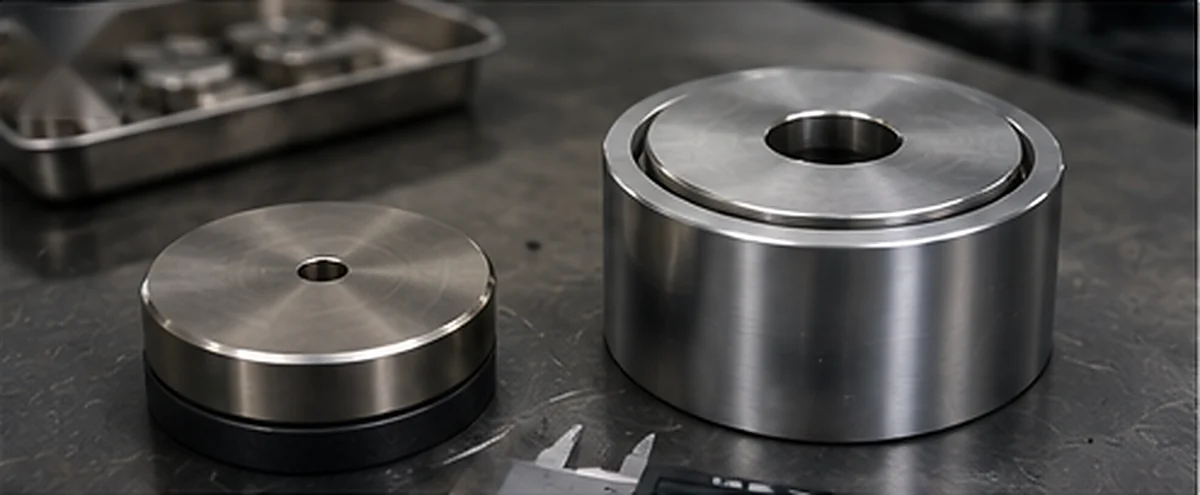
Un imán que ofrece un buen rendimiento en tracción directa puede comportarse de forma diferente bajo cargas de deslizamiento o desprendimiento por el borde. La resistencia al deslizamiento también depende de la fricción, del estado de la superficie y de la retención mecánica.
¿Qué información debe facilitar para un proyecto de sujeción o separación magnética?
Facilite la siguiente información antes de seleccionar un imán o conjunto magnético:
- Familia y grado del material objetivo, si se conocen.
- Estado del material o historial de procesado.
- Espesor del material objetivo y superficie de contacto disponible.
- Entrehierros de trabajo debidos a recubrimientos, pintura, adhesivo, plástico u otras causas.
- Geometría, planeidad, rugosidad y estado de corrosión de la superficie.
- Espacio disponible para el imán y la carcasa.
- Distancia de trabajo requerida.
- Fuerza requerida y dirección de la carga.
- Si la carga actúa por tracción directa, deslizamiento, despegado, elevación o separación.
- Temperatura de funcionamiento y exposición ambiental.
- Requisitos de vibración, impacto, movimiento o ciclos repetidos.
- Plano técnico, muestra, croquis o esquema de montaje.
- Método de validación requerido y condiciones de aceptación.
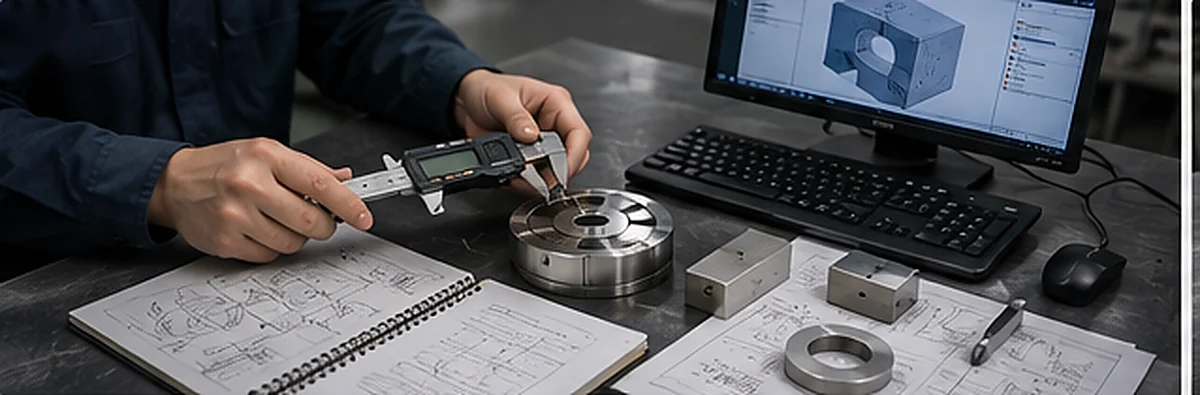
Para la separación magnética, indique también el flujo del material, el tipo de contaminación, el tamaño de partícula previsto, la distancia de trabajo y el método de limpieza. Un separador magnético de tambor u otra estructura magnética deben evaluarse en función del proceso real, en lugar de seleccionarse únicamente por el grado del imán.
¿Cuándo es necesario revisar un imán o conjunto magnético a medida?
Una sencilla prueba manual puede bastar para una evaluación básica del material. No es suficiente cuando el proyecto requiere una fuerza de sujeción definida, dispone de poco espacio, presenta un entrehierro de trabajo, utiliza acero objetivo de poco espesor, tiene una dirección de carga atípica o incorpora una carcasa de acero compleja.
Osenc puede revisar planos, muestras, croquis y requisitos de aplicación para imanes de neodimio personalizados y conjuntos magnéticos. En la revisión pueden considerarse la geometría del imán, el grado, la dirección de magnetización, el recubrimiento, el material objetivo, el entrehierro de trabajo y la estructura del circuito magnético.
Un grado magnético superior no es automáticamente la solución adecuada. La geometría, el material objetivo, la superficie polar disponible, la temperatura, el diseño del conjunto, el coste y los requisitos de validación deben considerarse conjuntamente.
Los proyectos también pueden comenzar con muestras o prototipos adecuados de imanes de neodimio antes de pasar a la producción por lotes. La fuerza real debe validarse en las condiciones de ensayo acordadas.
Preguntas frecuentes
¿Cuáles son los tres metales magnéticos más comunes?
El hierro, el níquel y el cobalto son los tres metales ferromagnéticos más conocidos en las aplicaciones de ingeniería habituales. Muchas aleaciones basadas en estos elementos también pueden ser magnéticas, pero su respuesta depende de la composición y la estructura.
¿Es magnético el acero?
La mayoría de los aceros al carbono y aceros dulces son claramente atraídos por los imanes. Sin embargo, el comportamiento del acero inoxidable varía según la familia y el estado de procesamiento.
¿El acero inoxidable es magnético?
Algunos aceros inoxidables son magnéticos, mientras que otros presentan poca atracción. Los aceros inoxidables ferríticos, martensíticos y dúplex suelen ser magnéticos, mientras que los austeníticos completamente recocidos suelen mostrar una respuesta débil.
¿El aluminio es magnético?
El aluminio es paramagnético, pero normalmente no se adhiere a un imán permanente convencional. Su respuesta magnética es demasiado débil para percibirla en una prueba estática estándar.
¿El cobre es magnético?
El cobre es diamagnético y, por lo general, no es atraído por un imán. Una atracción evidente puede indicar la presencia de un inserto de acero, contaminación, un recubrimiento metálico u otro material en la pieza.
¿Se puede identificar el grado de un metal mediante una prueba con un imán?
No. Puede separar materiales según su respuesta magnética general, pero no permite confirmar de forma fiable una aleación concreta ni un grado exacto de acero inoxidable.
¿Una mayor fuerza de atracción significa que el metal contiene más hierro?
No necesariamente. La atracción magnética depende de la microestructura, la composición, el espesor de la contrapieza, las condiciones de procesado, la geometría del imán y la configuración del ensayo.
¿Puede un metal magnético garantizar una fuerza de sujeción elevada?
No. El material de la contrapieza es solo una parte del circuito magnético. El entrehierro de trabajo, el espesor de la contrapieza, el estado de la superficie, la geometría del imán, la carcasa y la dirección de la carga influyen en la fuerza útil.
Consulte a Osenc sobre su aplicación magnética
La selección del material objetivo magnético es solo el primer paso. El diseño final debe funcionar con el espesor real del material objetivo, el entrehierro, la superficie, la dirección de la carga, el espacio disponible y las condiciones de funcionamiento.
Osenc puede revisar su plano, muestra o requisitos de aplicación antes de validar las muestras. El objetivo es adaptar el imán y el circuito magnético a la aplicación real, en lugar de seleccionar un imán únicamente por su grado.
Contacte con Osenc y facilite el material objetivo, el plano, la distancia de trabajo, la fuerza requerida, la dirección de la carga y el entorno de funcionamiento.
Solicitar una revisión de ingeniería