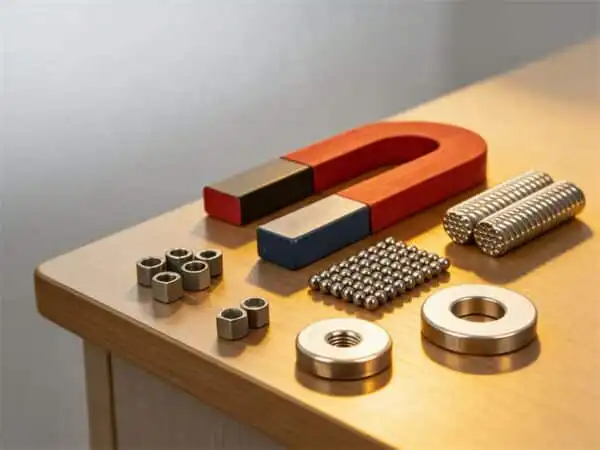

How do speakers use magnets? I see magnets as the heart of every speaker. They help turn electrical signals into the sounds I hear every day. Three main parts work together: the permanent magnet, the voice coil (an electromagnet), and the diaphragm. When I look at speaker performance, magnet quality matters a lot. Stronger magnets help speakers create sound that is clear and powerful.
- Strong magnets control movement, giving me accurate sound.
- Different magnet types, like neodymium or ferrite, change how well speakers work.
- A powerful magnetic field lets speakers handle high power without distortion. 🎵
How do speakers use magnets? (Step-by-step)
How do speakers use magnets to turn electricity into sound? I see this process as a fascinating blend of physics and engineering. Let me break down the steps so you can understand how speakers use magnets to create the music and voices I hear every day.
1. Permanent magnet creates constant field
When I look inside a speaker, I always find a permanent magnet. This magnet generates a stable magnetic field without needing any power. The magnet stays fixed to the speaker frame, creating a constant zone where all the action happens. I know that the strength and quality of this magnetic field matter a lot. High-grade neodymium magnets, like those from Osenc, deliver powerful and reliable fields. This strong field is essential because it sets the stage for the next steps.
- Permanent magnets generate a steady magnetic field.
- No external power is needed for the magnet to work.
- The magnet interacts with the electromagnet (voice coil) to produce sound.
2. Voice coil sits in the field (gap)
Next, I see the voice coil, which is a tightly wound wire attached to the speaker cone. The coil sits right in the gap of the permanent magnet’s field. This placement is not random. Engineers design the gap so the coil can move freely but stay inside the strongest part of the magnetic field. When I connect the speaker to an audio source, the coil is ready to react.
- The voice coil sits in the magnetic field gap.
- It attaches to the diaphragm or cone.
- The coil can move back and forth when current flows through it.
3. AC audio signal flows
When I play music, an alternating current (AC) audio signal flows through the voice coil. This current changes direction many times per second, matching the sound waves of the audio. As the current moves through the coil, it creates a magnetic field that interacts with the permanent magnet’s field. This interaction causes the coil to move rapidly. The movement pushes and pulls the cone, which vibrates and moves air to create sound waves.
- AC audio signals generate a changing magnetic field in the coil.
- The coil’s magnetic field interacts with the permanent magnet.
- The coil and cone vibrate together, producing sound.
🎧 Tip: The quality of the permanent magnet and the precision of the coil’s placement directly affect how speakers use magnets to deliver clear and powerful sound.
I have learned that how do speakers use magnets is not just about having a magnet and a coil. The design, materials, and engineering all play a role. Osenc’s neodymium magnets, for example, offer tight tolerances and strong fields, making them ideal for high-performance speakers. When I choose speakers, I always check the magnet type because it influences how do speakers use magnets to produce sound that is crisp and distortion-free.
How do speakers use magnets? They rely on the constant field from the permanent magnet, the precise placement of the voice coil, and the flow of AC audio signals to create vibrations that become sound. This process happens in every speaker, from tiny earbuds to large concert systems.
4. Coil becomes electromagnet (polarity flips)
How does the coil become an electromagnet and why does its polarity flip?
I see the voice coil as the key to turning electricity into motion. When I send an audio signal through the coil, it acts like an electromagnet. The direction of the electric current changes many times per second, matching the music or voice I play. This constant change flips the polarity of the coil back and forth.
- The amplifier sends alternating current (AC) to the coil.
- The coil’s magnetic field switches direction with the current.
- Each flip changes whether the coil attracts or repels the permanent magnet.
If I cross the wires from the amplifier to the speaker, the polarity inverts. The speaker cone moves inward when it should move outward, and vice versa. This can cause audio problems, especially if I wire one speaker correctly and the other incorrectly. I always double-check my connections to avoid these issues.
Note: The rapid polarity flips in the coil allow the speaker to follow the audio signal exactly, creating accurate sound reproduction.
5. Attract/repel causes vibration
What causes the speaker to vibrate and produce sound?
I watch as the coil’s magnetic field interacts with the permanent magnet. When the coil’s polarity matches the magnet, they attract. When the polarity is opposite, they repel. This back-and-forth force pushes and pulls the coil, which is attached to the diaphragm.
- Electric current in the coil creates a magnetic field.
- The coil and permanent magnet attract and repel each other.
- The coil moves rapidly, causing the diaphragm to vibrate.
As the diaphragm vibrates, it compresses air particles in one direction and creates rarefaction in the other. This movement forms sound waves that travel through the air. The continuous change in magnetic forces keeps the coil and diaphragm moving, matching the rhythm of the audio signal.
🎶 Tip: The strength of the magnet and the precision of the coil’s movement affect how clearly I hear music and voices. Osenc’s neodymium magnets help speakers achieve powerful and accurate vibrations.
6. Cone moves air → sound waves
How does the movement of the cone create sound waves?
I see the speaker cone, also called the diaphragm, as the final step in turning electricity into sound. The coil’s vibration makes the cone move back and forth. This movement pushes and pulls air, creating sound waves that reach my ears.
- The cone vibrates because of the electrical signals sent to the coil.
- Vibrating cone moves air, producing sound waves.
- The shape and material of the cone affect sound quality and how sound spreads.
I notice that the design of the cone matters. A well-shaped cone helps sound waves travel smoothly and evenly. This is why speaker manufacturers, including Osenc, pay close attention to cone materials and shapes when designing high-performance speakers.
📢 Fun Fact: The speaker cone can move thousands of times per second, creating the full range of sounds I hear in music and speech.
How speakers work: Key Components

What are the main parts of a speaker and how do they work together to create sound?
I see every speaker as a combination of several key components. Each part plays a unique role in turning electrical signals into the music and voices I hear.
- Permanent Magnet: Creates a steady magnetic field.
- Voice Coil (Electromagnet): Moves in response to electrical signals.
- Diaphragm (Cone): Vibrates to push air and make sound waves.
- Amplifier System: Powers the speaker drivers for clear sound.
- Enclosure: Shapes the sound and controls vibrations.
- Battery: Supplies energy, especially in portable speakers.
Permanent Magnet
Role in Speaker Function
I always find the permanent magnet at the heart of how speakers work. This magnet creates a constant magnetic field that interacts with the voice coil. When the coil receives an audio signal, it moves back and forth inside this field. The magnet’s strength and stability are crucial for accurate sound reproduction. I know that a strong magnet helps the speaker handle high power and deliver crisp, distortion-free audio.
💡 Tip: The permanent magnet sets the stage for the entire sound process. Without it, the coil cannot move, and no sound is produced.
Materials Used (Neodymium, Ferrite)
Speaker magnets come in different materials. I often see ferrite and neodymium used most. Here is a quick comparison:
| Material | Description | Impact on Performance |
|---|---|---|
| Ferrite | Made from iron oxides, larger size needed for effectiveness | Cost-effective, corrosion-resistant, less ideal for compact designs |
| Neodymium | Rare earth metal, very strong magnetic field, compact size | More efficient, enables smaller speakers, can rust at high temperatures |
| Alnico | Alloy of aluminum, nickel, cobalt; used mainly in guitar speakers | Warmer sound, high cost, less common in modern speakers |
I trust neodymium speaker magnets for their strength and efficiency. Osenc produces high-quality neodymium magnets that help speakers achieve powerful sound in a compact size. I recommend these for anyone seeking top performance.
Voice Coil (Electromagnet)
How It Generates Magnetic Fields
The voice coil sits inside the magnetic field created by the permanent magnet. When I play music, the coil receives an alternating current. This current turns the coil into an electromagnet. The polarity flips rapidly, causing the coil to move back and forth. This movement is what drives the diaphragm.
- The coil’s design affects power handling and loudness.
- Efficient coils convert electrical energy to mechanical energy, improving clarity.
- Lighter coils boost treble; heavier coils enhance bass.
- Good heat dissipation keeps the coil working well.
Placement and Design
I see that the placement of the voice coil is critical. Engineers position it in the gap of the magnet’s field for maximum movement. Linear movement ensures accurate sound reproduction. If the coil moves smoothly, the speaker produces clear audio with minimal distortion.
🔧 Note: The design and mass of the coil affect frequency response. I choose speakers with well-designed coils for better sound quality.
Diaphragm
How It Vibrates to Create Sound
The diaphragm, also called the cone, is the part I hear working every time I use a speaker. It attaches to the voice coil. When the coil moves, the diaphragm vibrates. These vibrations push and pull air, creating sound waves.
The material of the diaphragm matters. Stiff and lightweight cones respond quickly to vibrations. This improves accuracy and reduces distortion. I notice that the choice of material affects how speakers work and the overall sound quality.
🎶 Fun Fact: A well-designed diaphragm can move thousands of times per second, producing everything from deep bass to sharp treble.
How magnets are used in speakers: The Process
How do speakers turn electricity into sound using magnets? I see this process as a step-by-step journey that starts with electric current and ends with the music I enjoy every day. Let me walk you through each stage.
Electric Current and Magnetic Field
When I play a song, my device sends an electric current through the speaker’s voice coil. This coil, made of thin copper wire, sits inside the magnetic field created by the permanent magnet. As the current flows, the coil becomes an electromagnet. The direction of the current changes rapidly, flipping the polarity of the coil back and forth. This is the heart of how magnets are used in speakers.
- The amplifier sends pulses of electricity to the voice coil.
- The coil generates a magnetic field that changes direction with the audio signal.
- This field interacts with the permanent magnet’s field.
I know that the quality of the magnet matters here. Osenc’s precision neodymium magnets provide a strong, stable field, which helps the coil respond quickly and accurately to every change in the music.
🎵 Tip: The stronger and more precise the magnetic field, the clearer and more powerful the sound.
Magnetic Interaction and Vibration
As the coil’s magnetic field interacts with the permanent magnet, forces push and pull the coil. I watch as this back-and-forth motion causes the coil to move rapidly inside the gap. The coil attaches to the diaphragm, so every movement of the coil makes the diaphragm vibrate.
- The coil’s changing magnetic field attracts and repels the permanent magnet.
- This motion causes the diaphragm to vibrate.
- The vibration matches the pattern of the original audio signal.
I find it fascinating that this process happens thousands of times per second. The accuracy of these vibrations depends on the quality of both the coil and the magnet. Osenc’s neodymium magnets help ensure that the vibrations stay true to the original sound, even at high volumes.
Air Movement and Sound Waves
When the diaphragm vibrates, it pushes and pulls the air in front of it. This movement creates pressure waves that travel through the air. My ears pick up these waves as sound.
- The diaphragm moves because of the vibrating coil.
- Air gets pushed and pulled, forming sound waves.
- The shape and material of the diaphragm affect how the sound spreads.
I see that every detail matters, from the strength of the magnet to the design of the diaphragm. High-quality magnets, like those from Osenc, help speakers produce sound that is both loud and clear.
📢 Fun Fact: The diaphragm in a speaker can move back and forth more than 20,000 times per second, letting me hear everything from deep bass to sharp treble.
Magnet + voice coil interaction (why it moves)

Why does the voice coil move inside a speaker? I find the answer in the way magnets and electricity work together. When I send an audio signal through the voice coil, the coil becomes an electromagnet. This electromagnet sits inside the field of the permanent magnet. The interaction between these two magnetic fields creates the force that moves the coil—and the sound I hear.
Polarity change explanation (simple)
I see the movement start when the current flows through the coil. The direction of the current changes many times per second, following the music or voice. Each time the current switches direction, the polarity of the coil flips. This means the north and south poles of the electromagnet swap places. The permanent magnet stays the same, but the coil’s poles keep changing.
Here’s a simple table to show what happens:
| What Happens | Explanation |
|---|---|
| Interaction of magnetic fields | The current in the coil meets the permanent magnet’s field, creating force. |
| Reversal of force | When the current flips, the force direction reverses, moving the coil back. |
| Direction change of current | The coil’s poles switch, changing the magnetic push and pull. |
| Resulting motion | The coil moves back and forth, making sound waves. |
I watch as the coil gets pulled toward the magnet when the poles attract. When the current flips, the poles repel, and the coil moves the other way. This rapid back-and-forth motion causes vibrations as the current changes, which is how the speaker creates sound.
🎵 Tip: The faster the current changes, the higher the pitch of the sound. Slow changes make deep bass, while fast changes make sharp treble.
Stronger field → more force / sensitivity
I have learned that the strength of the magnetic field matters a lot. A stronger field means the coil feels a bigger push or pull. This extra force lets the speaker move the diaphragm more powerfully, which makes the sound louder and clearer.
- Higher magnetic flux density increases the thrust on the diaphragm.
- More magnetic density means greater power and higher sound pressure (sensitivity).
- Stronger magnets help speakers produce louder sounds with the same amount of electricity.
- Better sensitivity means the speaker can turn small signals into big, clear sounds.
When I use speakers with high-quality neodymium magnets from Osenc, I notice the difference. These magnets create a strong, stable field. The voice coil responds quickly and accurately, so the sound stays true even at high volumes.
📈 Note: Greater magnetic density not only boosts power but also improves efficiency. This means the speaker uses less energy to make more sound.
I always look for speakers with strong magnets and well-designed coils. This combination gives me crisp, powerful audio and makes sure every detail in the music comes through.
Types of Magnets in Speakers
What types of magnetsdo speakers use, and how do they compare?
I see three main types: neodymium, ferrite, and specialty magnets. Each type shapes how a speaker sounds and performs.
Neodymium Magnets
Benefits for Speaker Performance
I choose neodymium magnets when I want the best sound and efficiency. These magnets stand out for their strength and compact size. I often find them in high-end and portable speakers. Here are the main benefits:
- Compact and lightweight design 🧲
- Improved efficiency with less power use
- Enhanced sound quality and clarity
- Wide frequency response for rich audio
- Reduced distortion at high volumes
I rely on neodymium magnets to deliver precise control over diaphragm movement. This control lets speakers reproduce music with detail and accuracy. I see neodymium magnets as the key to modern, portable audio systems.
| Advantage | Description |
|---|---|
| Compact and Lightweight Design | Neodymium magnets allow for smaller and lighter speaker systems, ideal for portable audio equipment. |
| Improved Efficiency | They require less power for the same sound output, leading to longer device life and reduced energy use. |
| Enhanced Sound Quality | Their strength provides precise control over diaphragm movement, resulting in better sound reproduction. |
| Wide Frequency Response | Capable of producing a broader frequency range, enhancing the fidelity of various audio elements. |
| Reduced Distortion | They exhibit lower distortion levels at high volumes, maintaining sound quality even at loud levels. |
Osenc’s Quality Standards
I trust Osenc for neodymium magnets because of their strict quality controls. Osenc manufactures magnets with tolerances as tight as +/- 0.005 mm. Their magnets meet ISO9001 and ISO16949 certifications. I know Osenc’s magnets help speakers achieve powerful sound in compact designs. Osenc’s engineering team supports custom solutions for unique audio needs.
Ferrite Magnets
Common Uses and Limitations
I see ferrite magnets in many budget and mid-range speakers. They work well in home theater systems, car speakers, and portable models. Ferrite magnets offer good durability and heat resistance. Here is how I use them:
- Home theater systems 🎬
- Car speakers 🚗
- Portable speakers
Ferrite magnets cost less and resist corrosion. However, they are less powerful than neodymium magnets. I notice that ferrite magnets result in bulkier speaker designs. They do not perform as well in high-performance or compact audio systems.
- Less powerful than neodymium magnets
- Bulkier designs
- Less efficient in high-performance applications
Specialty Magnets
Applications in Custom Speaker Designs
I use specialty magnets like neodymium and Samarium Cobalt for custom audio solutions. These magnets enhance performance in unique environments. Neodymium magnets provide a high strength-to-weight ratio, which lets me design compact speakers with strong output. Samarium Cobalt magnets work well in high-temperature settings and sensitive equipment. I customize these magnets to meet specific audio needs.
- Specialty magnets boost audio performance in custom designs
- Neodymium magnets enable compact, powerful speakers
- Samarium Cobalt magnets resist demagnetization and heat
- Customization allows tailored solutions for special applications
Magnet Comparison Table
I compare neodymium and ferrite magnets using this table:
| Feature | Neodymium Magnets | Ferrite Magnets |
|---|---|---|
| Strength | Stronger, ideal for high-frequency audio | Bulkier, suitable for stationary systems |
| Size | Compact and lightweight | Larger and heavier |
| Sound Quality | Superior, especially in high frequencies | Good, but less detailed |
| Cost | More expensive due to material rarity | More affordable |
| Heat Resistance | Moderate | Excellent |
| Durability | Good, but can be sensitive to heat | Very durable, suitable for high-power |
💡 Tip: I always check the magnet type before choosing a speaker. Neodymium magnets from Osenc give me the best balance of size, power, and sound quality.
Quick comparison table (fast selection)
What is the fastest way to choose the right magnet for a speaker?
I always start with a quick comparison. I look at the magnet type, its size and strength, the cost, and where I usually find it in speakers. This method helps me make smart choices, especially when I want the best sound for my needs.
Type | Size/strength | Cost | Typical speakers
| Magnet Type | Size/Strength | Cost | Typical Speakers |
|---|---|---|---|
| Ceramic (Ferrite) | Moderate/Moderate | Low | Home audio, car speakers |
| Neodymium-Iron-Boron | Small/High | Reasonable | High-end, portable, pro audio |
| Alnico | Large/Moderate | High | Vintage, guitar amps |
| Samarium Cobalt | Small/High | Very High | Custom, aerospace, specialty |
💡 Tip: I use this table to match the magnet to the speaker’s purpose. For example, I pick neodymium for portable Bluetooth speakers because it is small and strong.
I notice that ceramic magnets, also called ferrite, are common in everyday speakers. They offer a good balance of size and cost. I see them in many home and car audio systems. Their moderate strength works well for most music and voice playback.
Neodymium magnets stand out for their power. I use them when I want a compact speaker with high output. These magnets let me design smaller speakers without losing sound quality. I find them in earbuds, portable speakers, and professional audio gear. Osenc’s neodymium magnets give me the precision and reliability I need for these applications.
Alnico magnets have a classic feel. I see them in vintage speakers and guitar amplifiers. They are larger and cost more, but they give a warm sound that many musicians love. I choose Alnico when I want that special tone.
Samarium Cobalt magnets are rare in everyday speakers. I use them for custom or high-tech designs. They resist heat and demagnetization, so I pick them for aerospace or specialty audio projects. Their cost is high, but their performance in extreme conditions is unmatched.
Here is how I decide quickly:
- I choose ceramic for budget and general use.
- I pick neodymium for high performance and small size.
- I select Alnico for vintage sound.
- I use Samarium Cobalt for custom, high-temperature needs.
🎧 Pro Tip: I always check the magnet’s size and strength before buying a speaker. Stronger magnets mean better sound and higher efficiency.
When I want the best mix of size, power, and value, I trust Osenc’s neodymium magnets. They help me build speakers that sound great and last long.
Magnet Choice and Speaker Performance
Sensitivity/efficiency
How does magnet choice affect speaker sensitivity and efficiency?
I always look at the magnet when I want to know how well a speaker will perform. The strength and type of magnet make a big difference in how sensitive and efficient the speaker is.
- NdFeB magnets give the strongest magnetic fields. I use them in compact audio devices to boost sensitivity and frequency response.
- Ferrite magnets are weaker but cost less. I choose them for larger speakers that need better heat resistance.
- Strong magnets help control moving parts. This leads to more accurate sound and less distortion.
When I test speakers, I notice that the magnetic flux density matters most. A higher flux density means the speaker can turn electrical signals into sound more effectively. I get louder sound with the same power input. The magnet’s strength also improves transient response, which helps the speaker reproduce fast musical notes clearly.
Here is a simple table showing how magnet strength affects sensitivity:
| Magnet Type | Sensitivity Level | Efficiency | Best Use Case |
|---|---|---|---|
| NdFeB | High | High | Portable, high-end |
| Ferrite | Moderate | Moderate | Home, car, large |
💡 Tip: I always pick strong magnets for speakers that need high sensitivity and efficiency.
Sound Quality Impact
How does magnet type influence sound quality?
I find that the magnet’s strength and stability shape the sound I hear. Stronger magnets give me better control over the diaphragm. This means the speaker can reproduce music and voices with more detail.
- Strong magnets reduce distortion, especially at high volumes.
- Better control leads to clearer highs and deeper bass.
- The magnet’s material affects how well the speaker handles fast changes in sound.
When I use speakers with neodymium magnets, I hear crisp treble and solid bass. The sound quality stays clear even when I turn up the power and volume of the speakers. I trust Osenc’s engineering team to help me choose the right magnet for custom audio projects. Their support ensures that every speaker meets my performance needs.
🎶 Note: The right magnet helps the speaker deliver every detail in the music.
Efficiency and Size
How do magnet efficiency and size relate in speaker design?
I see that magnet size and efficiency go hand in hand. Larger magnets create stronger fields, which make speakers more efficient at turning electrical power into sound. This means I get louder sound without using more energy.
- Larger magnets improve power handling. My speakers can play louder without damage.
- Smaller magnets may cause distortion if they cannot provide a uniform field, especially at high volumes.
- Efficient magnets need less current to produce the same force.
When I design compact speakers, I use neodymium magnets. They let me keep the speaker small but powerful. For bigger systems, I choose ferrite magnets for their durability and heat resistance. Osenc offers custom magnet solutions, so I can match the magnet size and efficiency to any speaker design.
Here is a quick comparison:
| Magnet Size | Efficiency | Typical Application |
|---|---|---|
| Large | High | Home theater, car audio |
| Small | Moderate | Portable, wireless devices |
🧲 Fun Fact: Efficient magnets help me build speakers that sound great and last longer.
Durability and Cost
What are the key durability and cost factors when choosing magnets for speakers?
I always consider durability and cost before selecting a magnet for any speaker project. These two factors shape the long-term performance and affordability of the final product.
Durability matters most in tough environments.
- I look for magnets that resist high temperatures if I build speakers for outdoor or automotive use.
- I choose magnets with strong corrosion resistance for marine audio or humid climates.
- I check the magnet’s ability to withstand vibration and mechanical stress, especially in portable speakers.
Cost influences my choice for mass production and custom designs.
- Ferrite magnets offer a budget-friendly option. I use them for large-scale manufacturing because they are affordable and easy to source.
- Neodymium magnets deliver top performance. I select them for premium speakers, even though they cost more.
- Specialty magnets, like Samarium Cobalt, suit custom or high-temperature applications. Their price is higher, but their durability justifies the investment in demanding environments.
💡 Tip: I always balance durability and cost based on where the speaker will be used and the performance I expect.
Here is a table that helps me compare the main considerations:
| Consideration | Details |
|---|---|
| Environmental Durability | Temperature resistance is crucial for outdoor or hot environments. |
| Corrosion resistance is important for marine audio or humid conditions. | |
| Cost and Availability | Ferrite magnets are affordable and widely available for mass production. |
| Neodymium magnets provide superior performance but are more expensive. |
Industry experience shapes my decisions.
I have seen ferrite magnets last for years in home and car speakers. Their durability stands up to daily use. Neodymium magnets, on the other hand, excel in compact and high-performance designs. I use them when I need strong magnetic fields in small spaces. Osenc’s neodymium magnets meet strict ISO9001 and ISO16949 standards, which gives me confidence in their reliability for demanding audio projects.
I always weigh the trade-offs.
- Ferrite magnets: Lower cost, good durability, larger size.
- Neodymium magnets: Higher cost, excellent performance, compact size.
- Specialty magnets: Highest cost, best for extreme conditions.
🧲 Note: I recommend choosing the magnet type that matches the speaker’s environment and expected lifespan. Strong, durable magnets help speakers sound great for years.
In summary:
I focus on durability for speakers in harsh conditions and cost for large production runs. I trust Osenc for reliable neodymium magnets when I need both performance and longevity. My experience tells me that the right magnet choice ensures speakers deliver clear sound and last longer, no matter where they are used.
Trends in Speaker Magnet Technology
What are the latest trends in speaker magnet technology?
I see three major innovations shaping the future of audio: miniaturization, eco-friendly materials, and custom engineering solutions. These trends help audio devices deliver better sound, last longer, and reduce environmental impact.
Miniaturization
I notice that audio devices keep getting smaller and lighter. Manufacturers now use compact neodymium magnets to shrink speaker size without losing sound quality. I find this trend especially important for portable audio products like earbuds, wireless speakers, and smart devices. Smaller magnets allow engineers to design audio systems that fit in tight spaces while still producing powerful sound.
- Compact magnets make audio devices lighter and easier to carry.
- Miniaturization supports slim designs for modern audio equipment.
- Smaller speakers can deliver high-quality audio in portable formats.
I often recommend Osenc’s neodymium magnets for miniaturized audio solutions. Their precision manufacturing ensures that even tiny magnets meet strict quality standards, which is vital for clear audio in compact devices.
Eco-Friendly Materials
I see a growing demand for sustainable audio technology. Loudspeakers offer a major opportunity for rare earth magnet recycling, accounting for about 20% of their usage worldwide. I learned that recycled neodymium magnets have a much lower environmental impact than new ones, especially in areas like global warming and human health. The REAP project highlights how hydrogen recycling technology can recover and repurpose neodymium iron boron alloys from discarded audio electronics.
- Recycled magnets reduce the environmental footprint of audio products.
- Hydrogen recycling helps reclaim valuable materials from old audio devices.
- Eco-friendly magnets support responsible audio manufacturing.
I believe that using recycled materials in audio speakers benefits both the environment and the audio industry. Osenc supports eco-friendly practices by offering magnets that meet high environmental standards, helping audio manufacturers create greener products.
Custom Engineering Solutions
I see custom engineering as a key driver for advanced audio applications. Engineers now use different types of magnets, such as ferrite and neodymium, to match specific audio needs. Ferrite magnets offer a cost-effective solution for many audio systems, while neodymium magnets provide compact size and strong output. Precision in manufacturing is crucial because speaker magnets must be dimensionally accurate for proper assembly and high-quality audio.
- Engineers select magnet types based on audio system requirements.
- Precision manufacturing ensures consistent audio performance.
- Custom solutions allow for unique audio designs and applications.
I work with Osenc’s engineering team to develop custom magnet assemblies for specialized audio projects. Their technical support and commitment to quality help me achieve the best results in every audio application.
🎧 Tip: I always look for audio speakers that use advanced magnet technology. These innovations improve sound quality, efficiency, and sustainability.
| Trend | Benefit for Audio Devices | Example Application |
|---|---|---|
| Miniaturization | Smaller, lighter audio products | Wireless earbuds |
| Eco-Friendly Materials | Lower environmental impact | Recycled speaker magnets |
| Custom Engineering | Tailored audio solutions | High-end audio systems |
I believe that these trends will continue to shape the future of audio. By choosing speakers with advanced magnet technology, I enjoy better sound and help protect the environment.
How To Choose The Speaker Magnets
- Budget: Choose ferrite for lowest cost; choose neodymium if you can pay more for compact size and higher motor strength.
- Size & weight: For portable speakers and headphones, neodymium keeps drivers light and small; ferrite is heavier and bulkier.
- Power/efficiency: If you need higher SPL from a small driver, neodymium helps; ferrite can work but usually needs more volume.
- Heat tolerance: For long high-power use, check temperature grade (NxxH/NxxSH) and thermal design, not just magnet type.
- Environment: In humid or salty areas, neodymium needs good coating and sealing; ferrite is more tolerant but still needs protection.
- Supply & consistency: Ask for stable specs, pull/flux test method, and batch control; premium neodymium grades usually deliver tighter performance.
Conclusion
Magnets power every speaker I use. I see neodymium magnets as the top choice for clear, strong sound. When I select speakers, I always check magnet quality. Here’s why:
- Strong magnets boost sound clarity and efficiency.
- Magnet type shapes speaker size and performance.
- Osenc neodymium magnets meet strict industry standards.
🎧 I rely on magnets to turn electrical signals into music and voices. Next time I shop for speakers, I focus on magnet quality for the best audio experience.
FAQ
How do magnets make speakers work?
Magnets create movement that produces sound.
I see the permanent magnet and voice coil interact. The coil moves when electricity flows, pushing the diaphragm to make sound waves.
What type of magnet is best for speakers?
Neodymium magnets offer top performance.
I choose neodymium for strong magnetic fields and compact size. Ferrite works well for budget speakers.
| Magnet Type | Strength | Size | Use Case |
|---|---|---|---|
| Neodymium | High | Small | Premium, portable |
| Ferrite | Medium | Larger | Home, car audio |
Why does magnet strength matter in speakers?
Stronger magnets improve sound clarity and efficiency.
I notice that higher magnetic flux density (measured in Tesla) lets speakers produce louder, clearer audio with less power.
- More force on the diaphragm
- Better sensitivity
- Lower distortion
Can I replace a speaker magnet?
Yes, but I must match size and strength.
I always check the magnet’s dimensions and material. Using Osenc neodymium magnets ensures reliable performance and precise fit for custom repairs.
Do all speakers use the same magnets?
No, speakers use different magnets based on design.
I find neodymium in earbuds and pro audio. Ferrite appears in larger home systems. Specialty magnets suit custom or high-temperature speakers.
🎧 I select the magnet type for each application.
How long do speaker magnets last?
Speaker magnets can last decades.
I see ferrite magnets working for 20+ years. Neodymium magnets from Osenc maintain strength and reliability for many years with proper care.
What affects speaker magnet durability?
Heat, moisture, and vibration impact durability.
I protect magnets from extreme temperatures and corrosion.
- Ferrite resists heat
- Neodymium needs coating
- Osenc magnets meet ISO standards for durability
Are recycled magnets used in speakers?
Yes, recycled magnets help reduce environmental impact.
I support using recycled neodymium magnets in audio devices. This practice lowers waste and supports eco-friendly manufacturing.
🌱 Eco-friendly audio is the future.