Manufacturing Guide | Sintered NdFeB Magnets
How are neodymium magnets made? Sintered NdFeB magnets are produced through controlled raw-material preparation, alloy melting, powder milling, magnetic alignment and pressing, vacuum sintering, annealing, precision machining, protective coating, magnetizing, and final inspection.
Each stage affects the final magnet’s strength, dimensional consistency, corrosion resistance, and ability to meet the intended application.
How Are Neodymium Magnets Made?
Neodymium magnets, also known as NdFeB magnets, are the strongest permanent magnets in the world. They are widely used in speakers, motors, electric vehicles, computer hard drives, wind turbines, and many other products. Their production combines materials science, heat treatment, powder processing, precision machining, coating, and magnetizing.
Related: What Is a Neodymium Magnet?
Mine and Refine the Rare-Earth Materials
Neodymium is a rare-earth element commonly occurring in minerals such as bastnäsite and monazite, usually together with other rare earths such as praseodymium and cerium.
The ore is mined and crushed, followed by chemical treatment to obtain neodymium oxide (Nd₂O₃). Refining methods such as solvent extraction and ion exchange separate neodymium from other elements. The refined material becomes a key input for the alloy used in neodymium magnets.
Melting
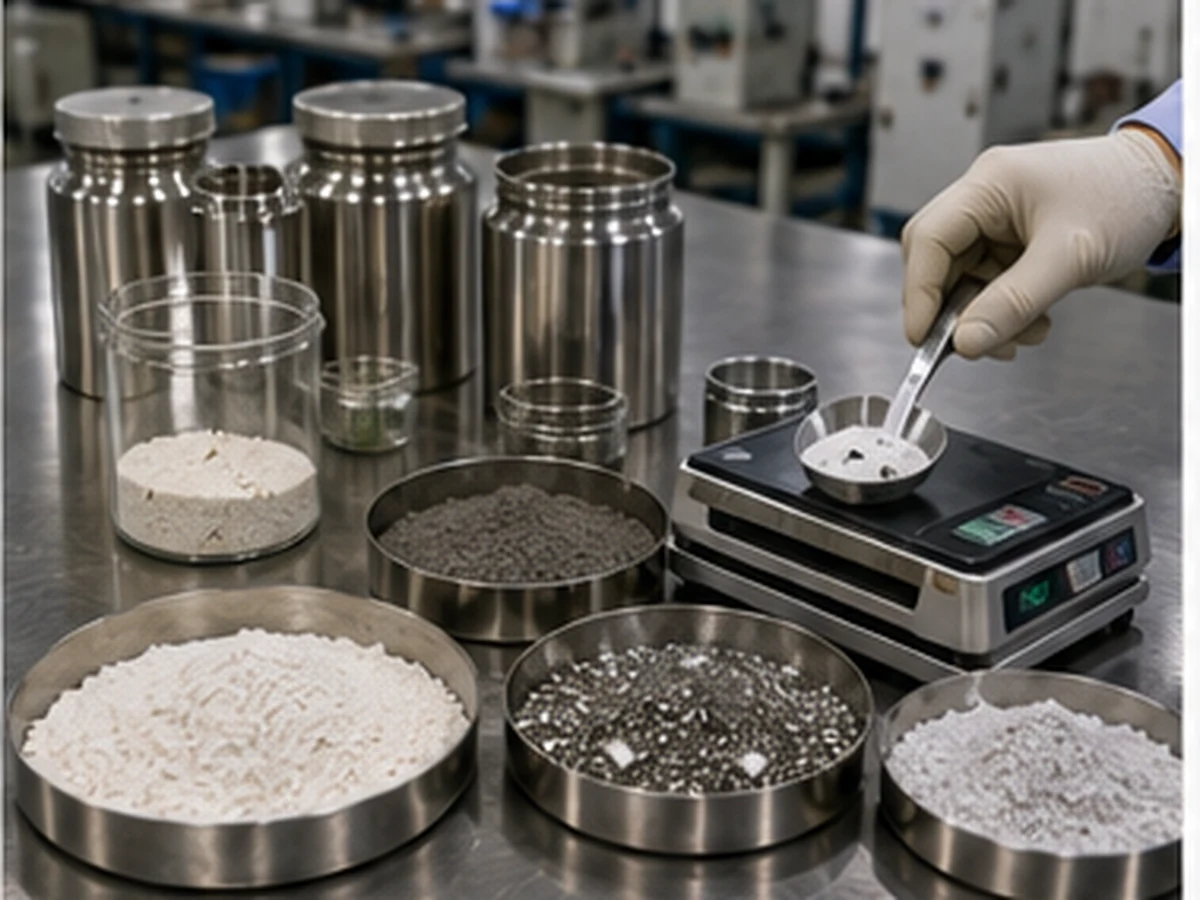
Neodymium-containing material is combined with iron (Fe) and boron (B) to form the Nd₂Fe₁₄B-based alloy system. A vacuum induction furnace is used to melt the ingredients while limiting oxidation.
The material is melted at high temperature to form a homogeneous alloy and then cooled into ingots or flakes for the next production stage.
Milling
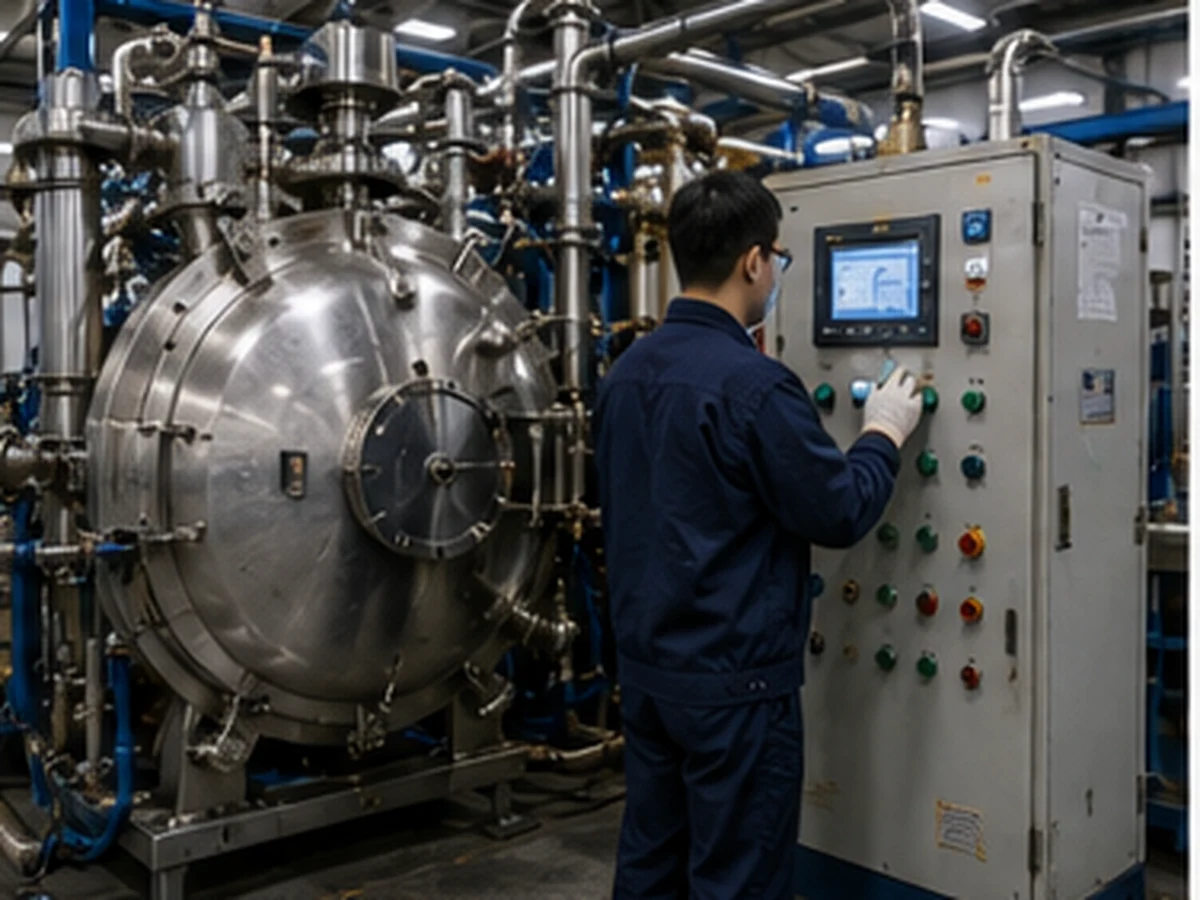
The solid alloy is reduced to a fine powder by equipment such as jet mills or ball mills. Particle size is important because powder characteristics influence later pressing, sintering, and final magnetic performance.
Milling is performed in a controlled, air-free environment because neodymium-rich powder can react rapidly with air or moisture.
Pressing and Magnetic Alignment
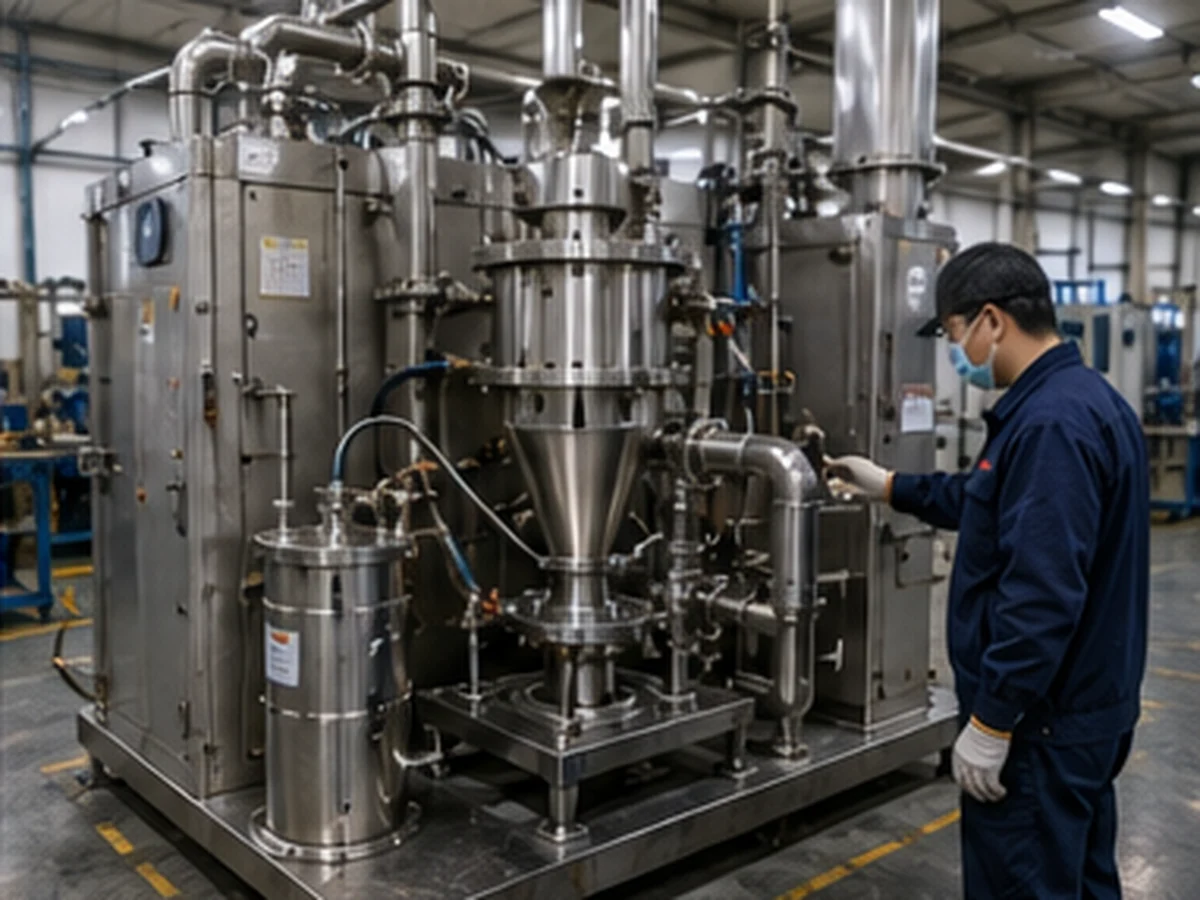
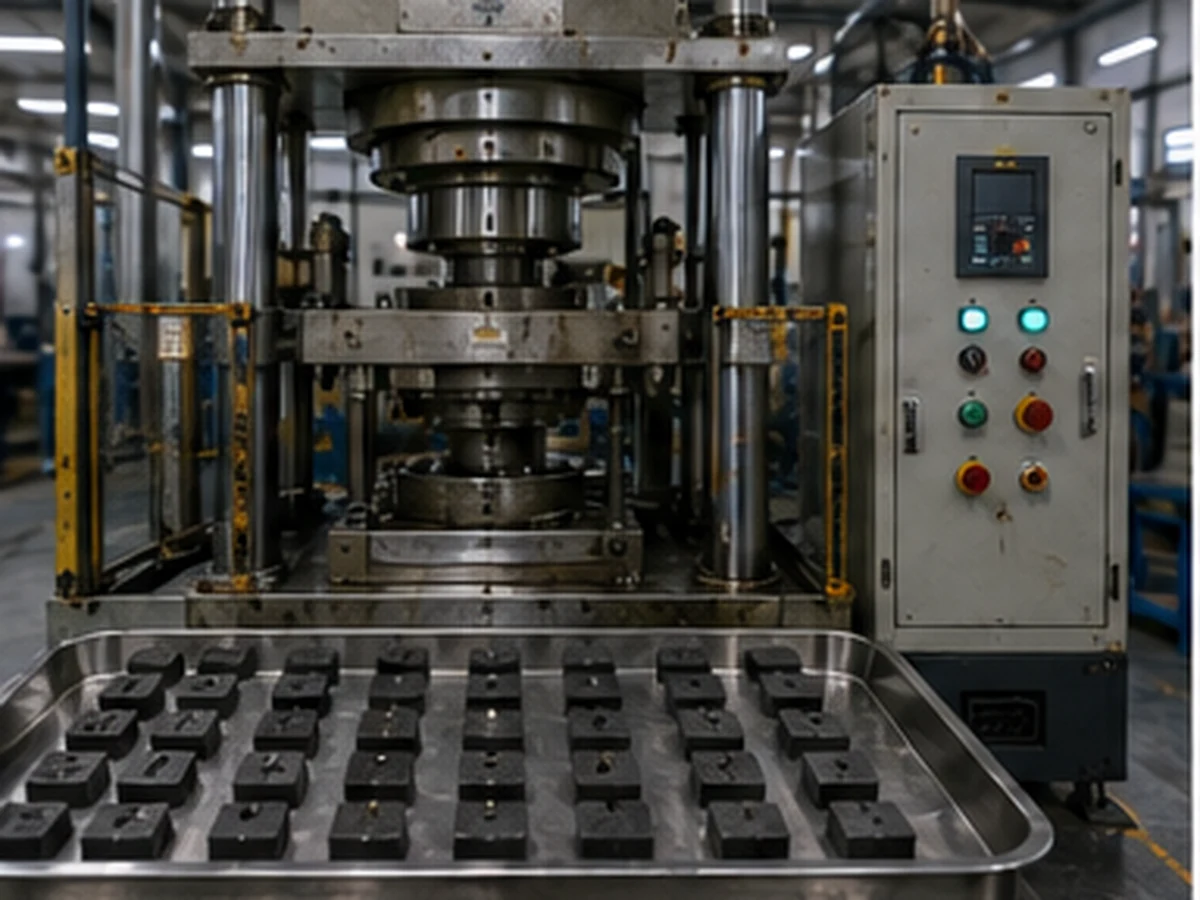
The fine powder is pressed into shape. During pressing, a magnetic field is commonly applied to orient the powder particles in a defined direction, which helps establish the future magnetization direction.
Die pressing compacts the powder in a mold. Isostatic pressing applies pressure more uniformly from multiple directions to achieve a more homogeneous compact.
The pressed part is called a green compact. It is still fragile and has not yet reached the density and strength of the finished sintered magnet.
Sintering
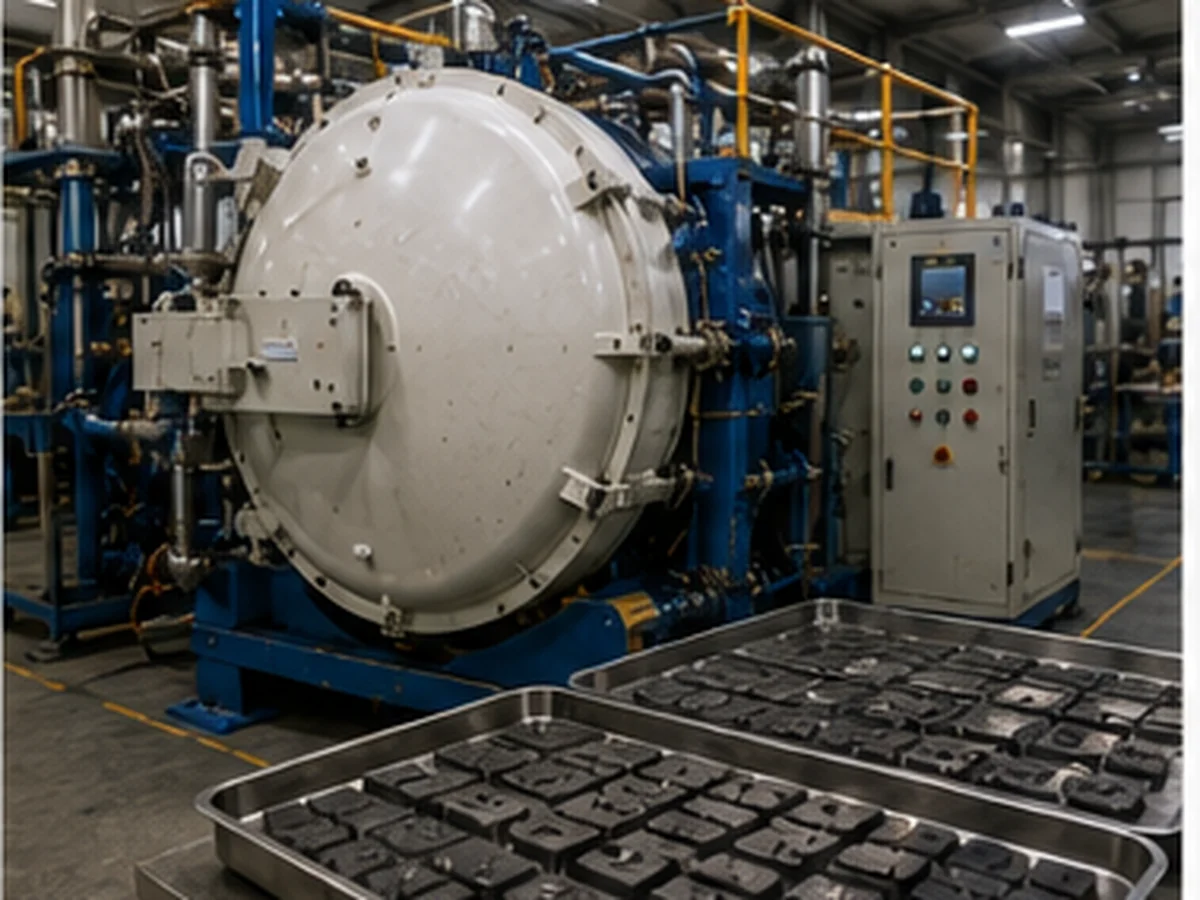
The green compacts are heated in a vacuum furnace at approximately 1000–1100°C. The particles bond and densify without the compact simply becoming a pool of molten metal.
Controlled sintering develops the dense microstructure and Nd₂Fe₁₄B crystal phase needed for strong magnetic performance.
Annealing
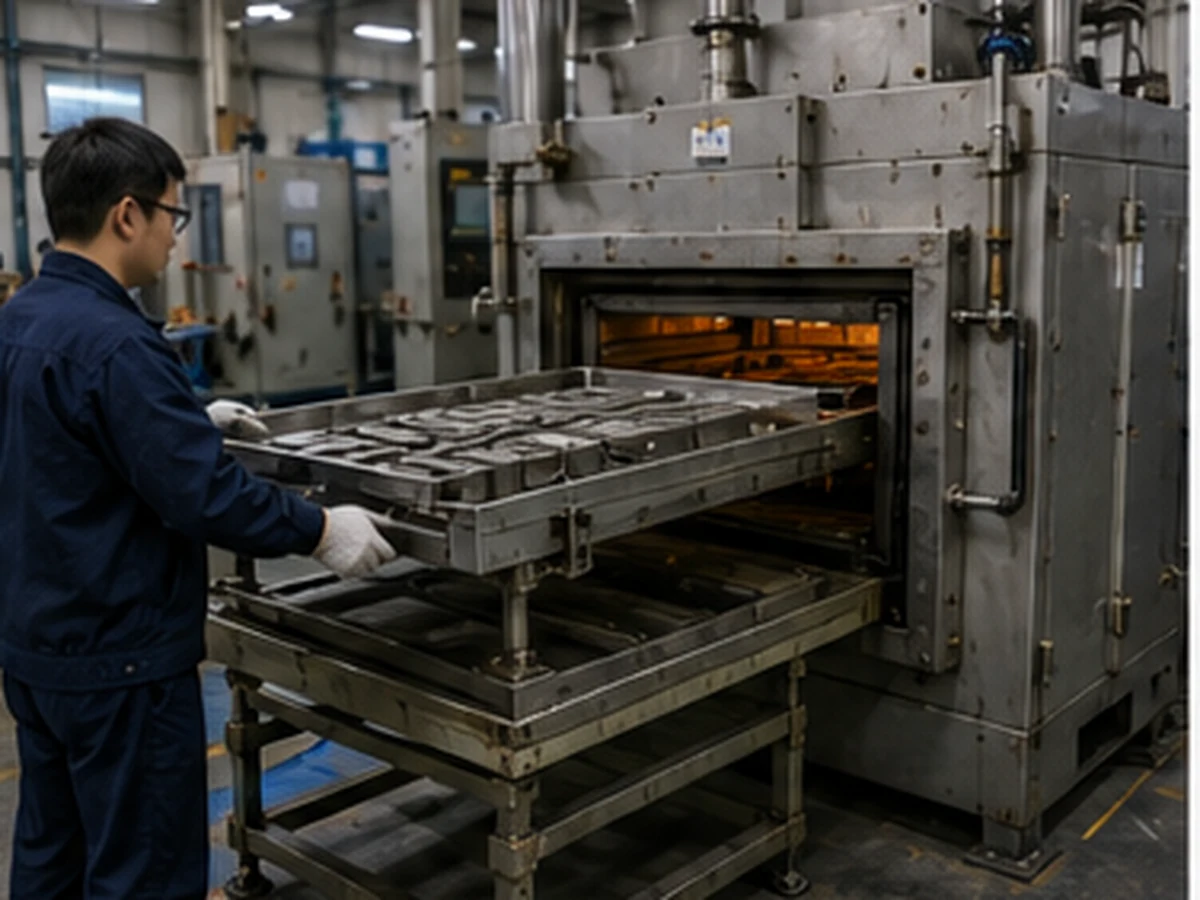
After sintering, the material is annealed by heating it again, approximately in the 500–600°C range described in the original article, followed by controlled cooling.
This heat-treatment stage is used to reduce internal stress and improve material and magnetic stability.
Precision Machining
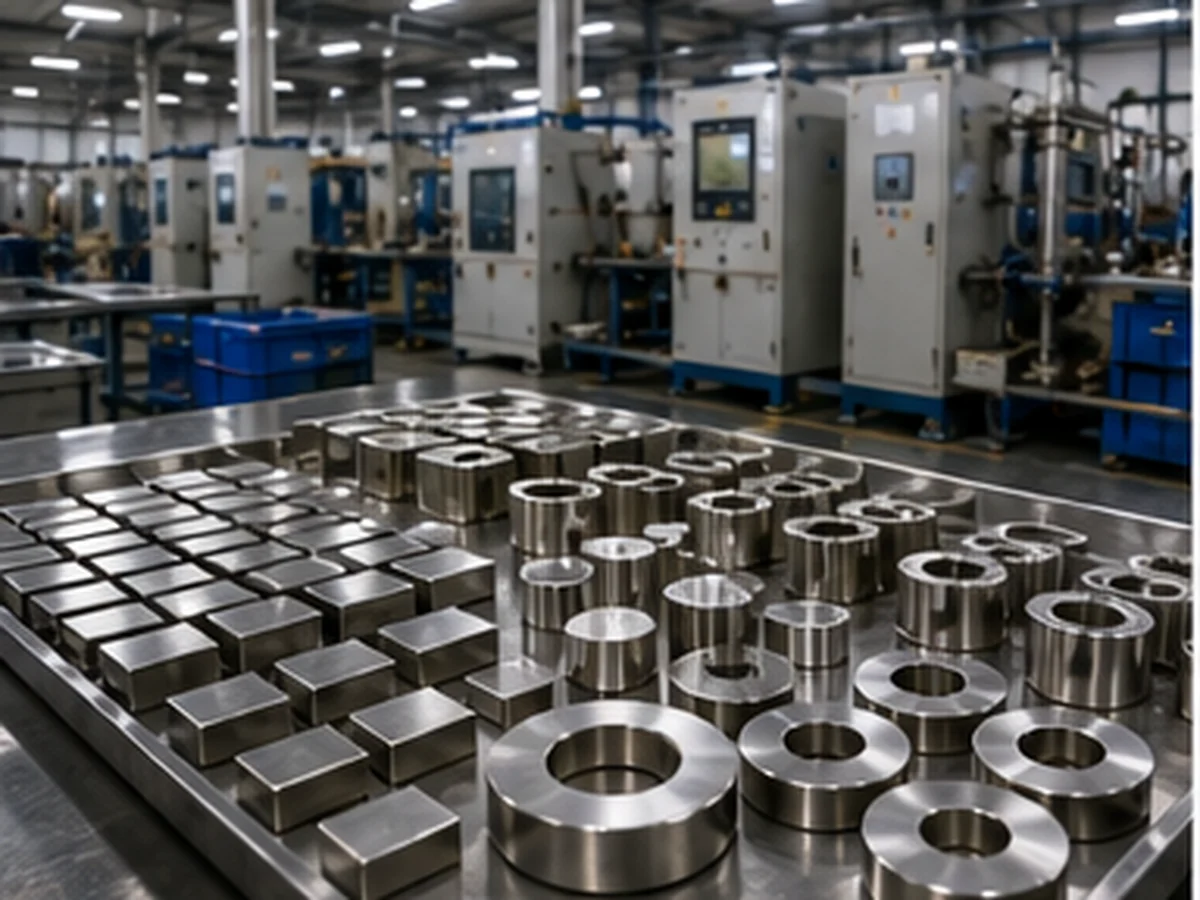
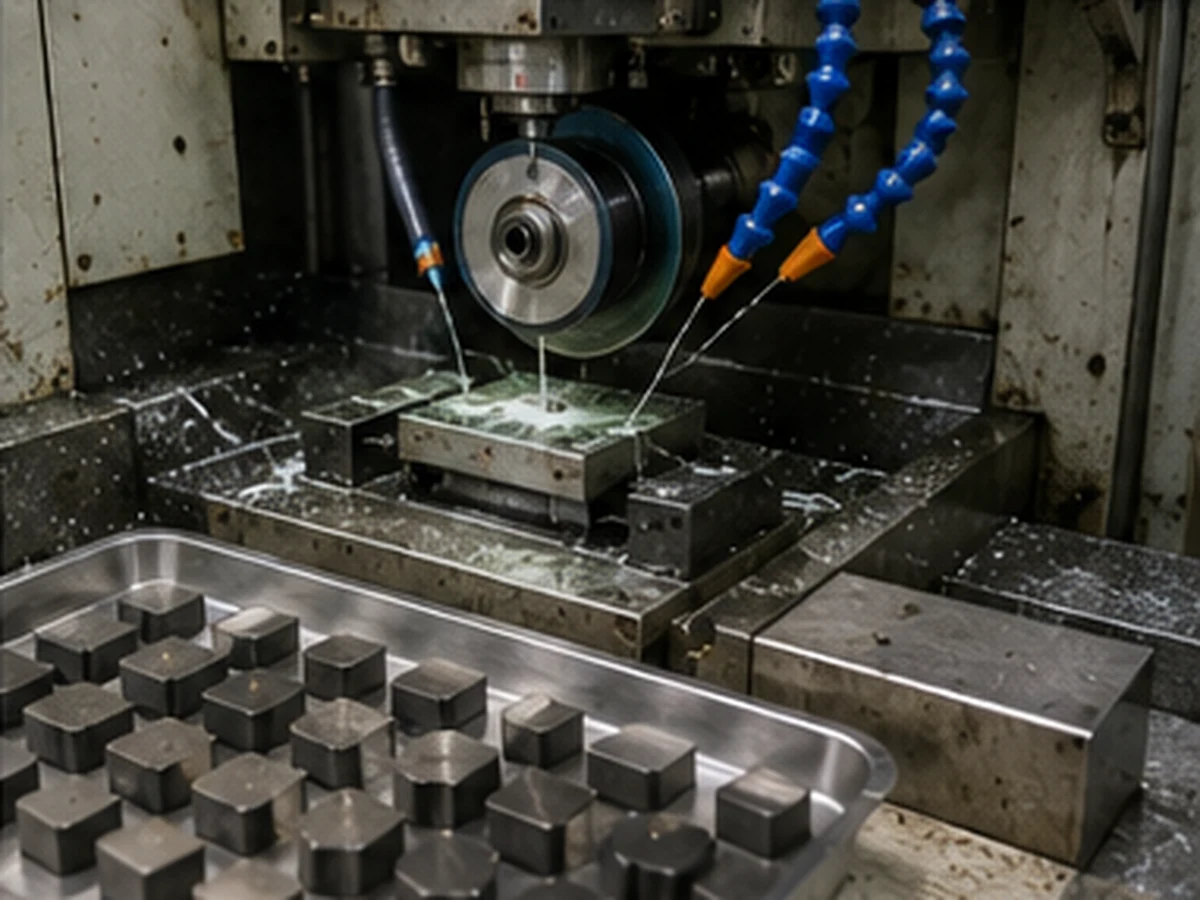
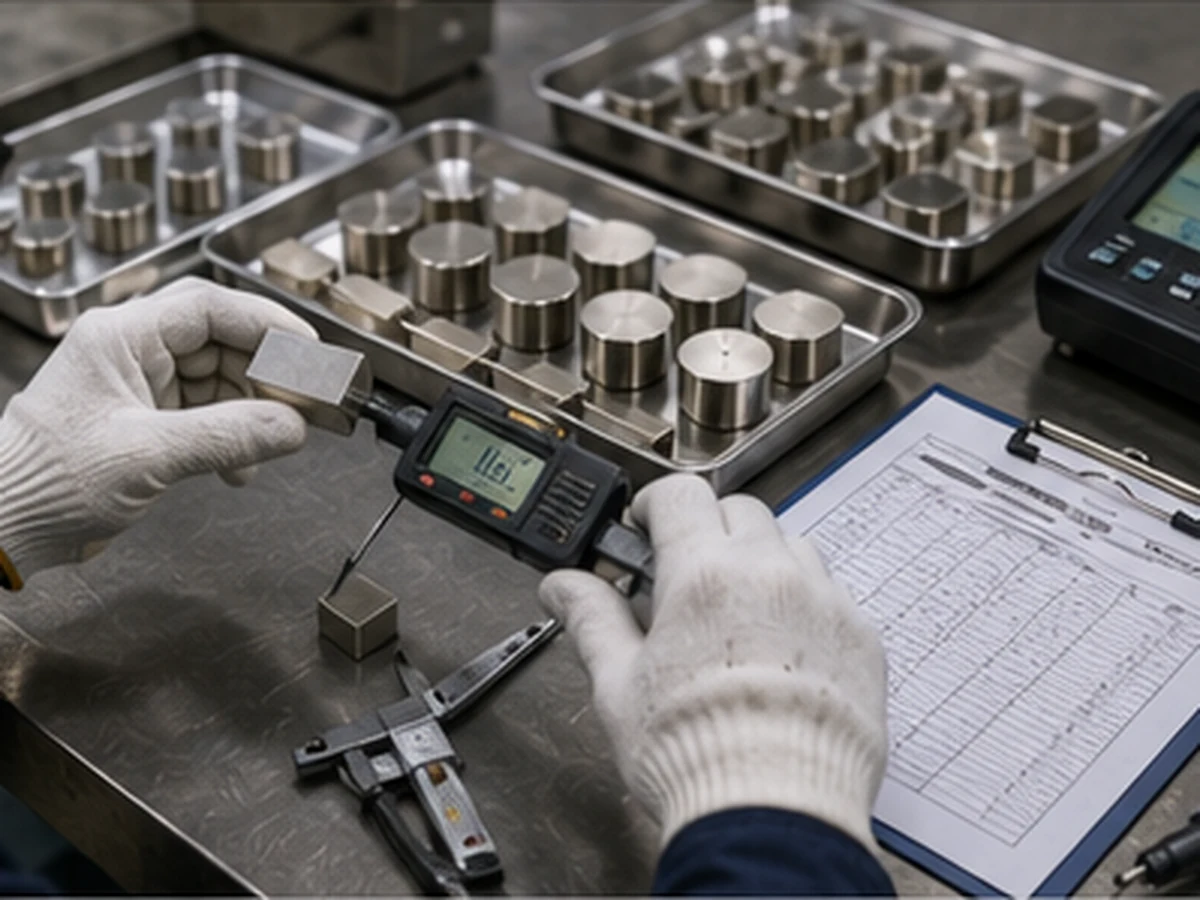
After cooling, sintered magnet blanks are machined into final dimensions using processes such as diamond grinding or wire EDM.
Neodymium magnets are hard but brittle, so machining must control cracking, chipping, dimensional error, and excessive heat. Common finished shapes include discs, rings, and blocks.
Plating or Coating
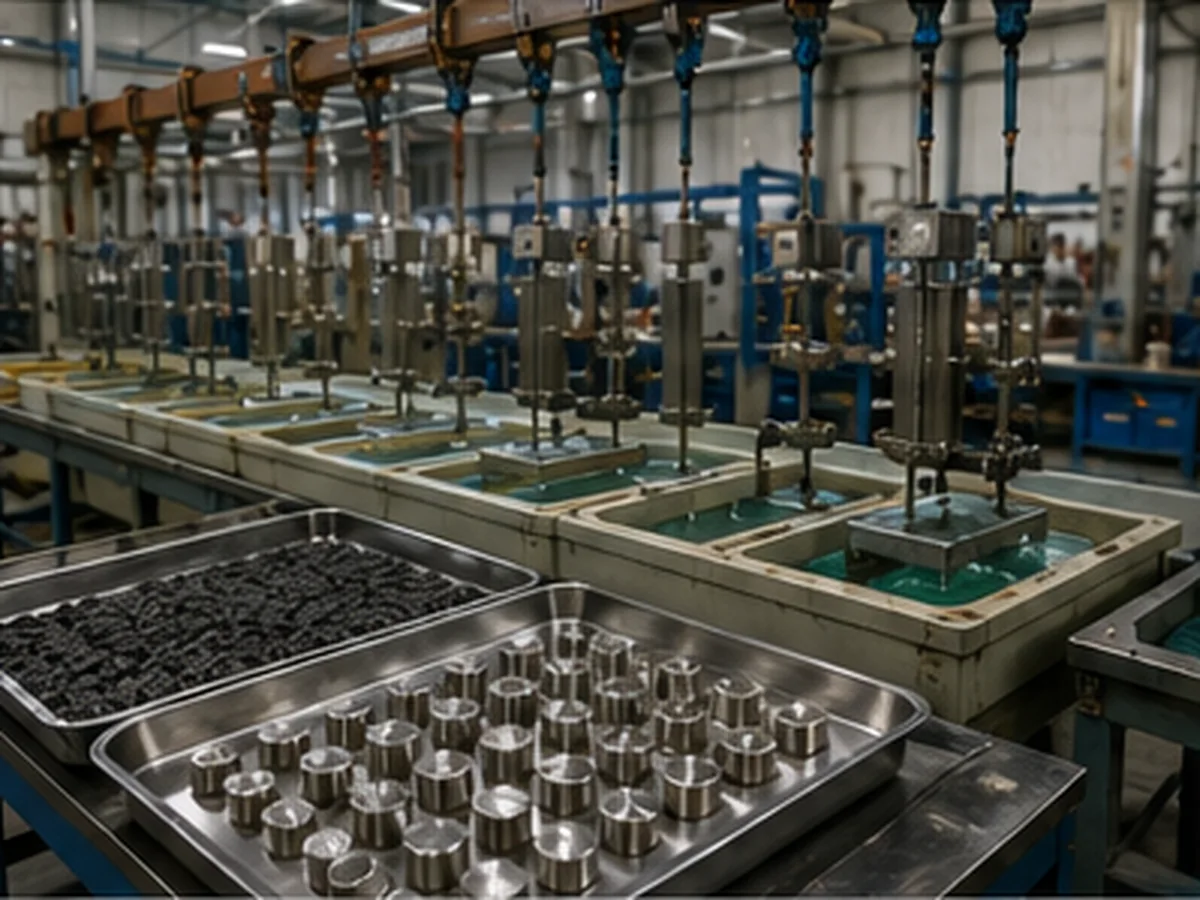
Neodymium magnets can corrode, so protective finishes such as nickel, zinc, gold, or epoxy may be applied. A common finish is Ni-Cu-Ni (Nickel-Copper-Nickel), which provides a smooth metallic surface and corrosion protection.
Magnetizing
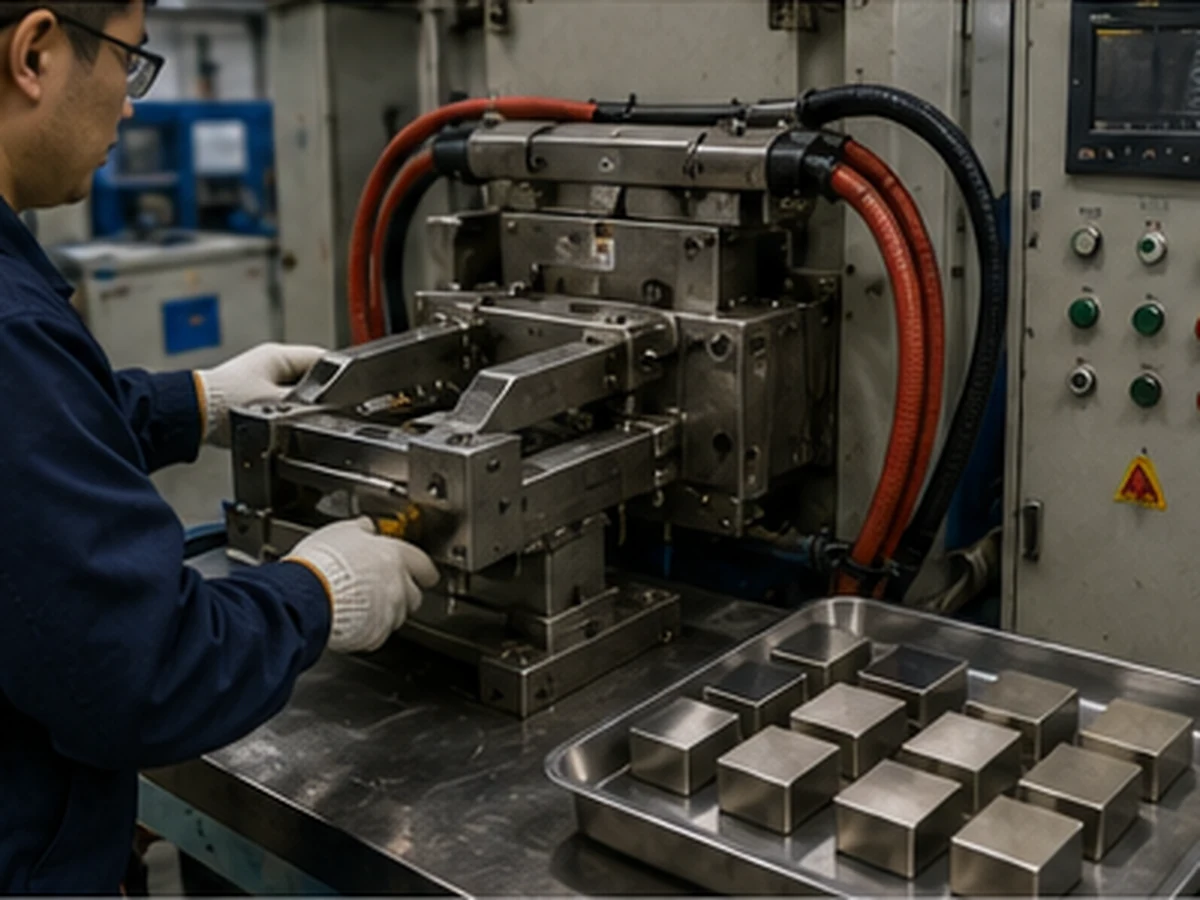
After machining and coating, the part still has to be magnetized. It is placed in a magnetizing fixture or coil and exposed to a short, intense magnetic pulse.
The original article describes a magnetizing field around 3–5 Tesla. After magnetizing, the magnets are checked for consistency, strength, and direction before packing.
What Materials Are Used to Make Neodymium Magnets?
Neodymium magnets are primarily based on neodymium, iron, and boron, with additional elements or protective finishes used when required for performance.
| Material | Role in the magnet |
|---|---|
| Neodymium (Nd) | Rare-earth element central to the high magnetic performance of the NdFeB system. |
| Iron (Fe) | Major constituent of the Nd₂Fe₁₄B magnetic phase. |
| Boron (B) | Supports formation of the Nd₂Fe₁₄B crystalline compound. |
| Dysprosium (Dy) or Terbium (Tb) | May be used in some formulations to improve high-temperature magnetic performance. |
| Protective coatings | Nickel, zinc, epoxy, and other finishes may be used for corrosion protection. |
How Are Rare-Earth Magnets Produced?
Rare-earth magnets such as neodymium and samarium-cobalt magnets use broadly similar manufacturing concepts, including alloy preparation, milling, pressing, sintering, and magnetizing.
The major differences are in material composition and thermal behavior. The production conditions therefore need to be controlled for the specific magnet material and target performance.
How Does Sintering Work in Magnet Manufacturing?
Sintering is a diffusion and densification process. Fine powder particles are heated so atoms move across particle boundaries and porosity is reduced, producing a dense solid magnetic material.
For NdFeB production, controlled vacuum or protective-atmosphere conditions are important because oxidation can damage the material and process consistency.
How Are Neodymium Magnets Magnetized?
Magnetization occurs in a special magnetizing coil or fixture. A short, intense magnetic pulse aligns the magnetic domains so the finished component develops its permanent magnetic field.
The required fixture and field depend on magnet geometry, magnetization direction, pole layout, and material grade.
How Are Neodymium Magnets Coated or Plated?
Coating protects NdFeB material against corrosion and handling damage. Common options in the original article include Ni-Cu-Ni, zinc, epoxy, and gold finishes.
- Nickel-Copper-Nickel (Ni-Cu-Ni): bright metallic finish and common corrosion protection.
- Zinc: another metallic protection option.
- Epoxy: polymer coating option often considered where environmental exposure matters.
- Gold: a specialty surface finish for selected applications.
What Machines Are Used in Magnet Production?
Neodymium magnet manufacturing uses specialized equipment at each process stage:
- Vacuum alloy melting furnaces.
- Jet mills or ball mills for powder production.
- Powder compacting presses.
- Vacuum sintering furnaces.
- Annealing heat-treatment equipment.
- Diamond grinders and EDM machines for final shaping.
- Electroplating or coating equipment.
- Magnetizing coils and fixtures.
- Dimensional and magnetic inspection equipment.
What Affects Neodymium Magnet Quality?
The strength and quality of a finished neodymium magnet depend on multiple manufacturing controls.
| Quality factor | Why it matters |
|---|---|
| Material purity | Impurities can reduce magnetic and production consistency. |
| Particle size | Powder characteristics influence compaction, microstructure, and magnetic performance. |
| Sintering control | Temperature and timing influence density, cracking risk, and final properties. |
| Composition ratio | The alloy formulation affects grade and performance. |
| Coating quality | A uniform protective layer helps reduce corrosion risk. |
| Magnetizing conditions | The magnetizing fixture and applied field must fully magnetize the specified pole direction. |
Wrapping Up
Neodymium magnets are produced through a chain of controlled material, thermal, mechanical, surface-treatment, and magnetic processes. The performance of the finished magnet is not created by one step alone; it depends on how consistently the full manufacturing route is controlled.
Related: How Strong Is a Neodymium Magnet and Where to Buy Neodymium Magnets.
Frequently Asked Questions
Are neodymium magnets environmentally friendly?
Not entirely. Mining and refining rare earths can create environmental impacts, while recycling and cleaner refining methods can reduce some of those impacts.
How are rare earths recycled in magnet production?
The original article describes old or defective magnets being demagnetized and chemically processed so rare-earth materials can be recovered and reused.
How can neodymium magnet strength be increased?
The original article points to alloy quality, selected alloy additions, sintering control, and proper magnetic alignment as important contributors to final magnetic performance.
Need a Custom Neodymium Magnet?
Send OSENC your drawing, dimensions, magnet grade requirement, coating, magnetization direction, operating temperature, target performance, and quantity.
Our team can review the manufacturing route and key production requirements before sampling.
Request a Custom Magnet Quote