
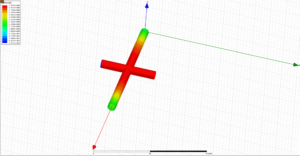
Magnetic Field Simulation Every New User Should Know
Magnetic field simulation is basically your “test lab on a screen,” and for many projects it’s the fastest way to run a magnet simulation before you ever touch a physical prototype. In this guide, we’ll break down what it is,
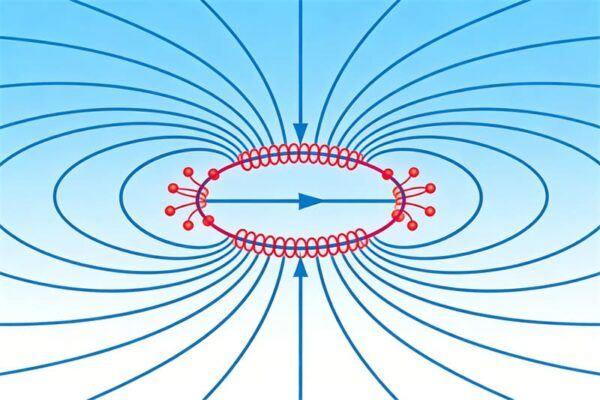
What is the Direction of Magnetic Field Lines and How Can We See Them
The direction of magnetic field lines always goes from the north pole to the south pole outside a magnet, then loops back inside from south to north. 🧲When I study magnets, I see that field lines form closed loops. This

Essential Types of Magnets and Application
I see the essential types of magnets as permanent, temporary, and electromagnets. Knowing their uses helps me select the right magnet for specific tasks in manufacturing, electronics, and everyday objects. Osenc provides high-quality neodymium magnets with custom solutions for unique
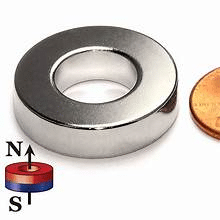
Which is the strongest magnet, N52 vs N54 vs N55 Magnets?
One of the strongest Neodymium (Neo) magnets in the market today includes N52, N54, and N55. But which of them is really the most powerful? In addition to the strength, other parameters such as heat resistance and magnetic field range

No Controlled Rare Earth: No Export License Required
Many buyers are currently asking one key question before placing orders: “Do you have an export license?” We understand why. Export controls and compliance requirements do exist in the rare-earth supply chain, and some products may trigger additional licensing or

How to Choose the Right Poundage Fishing Magnet?
Magnet fishing is an outdoor activity that uses a strong magnet to try and grab magnetic (ferrous) metal objects from rivers, canals and lakes. In simple terms, a fishing magnet is a compact assembly of Powerful neodymium rare earth magnets,