






Przewodnik po materiałach i inżynierii
Które metale są magnetyczne?
Żelazo, nikiel i kobalt to najbardziej znane metale silnie przyciągane przez magnesy. Wyraźne właściwości magnetyczne wykazuje również wiele stopów na bazie żelaza, w tym stal węglowa oraz kilka grup stali nierdzewnych.
Sama nazwa metalu nie jest jednak wystarczająca. Na wynik obserwacji mogą wpływać struktura stopu, stan po obróbce, grubość elementu, powierzchnia styku oraz sposób przeprowadzenia testu.
Aluminium i miedź zwykle nie są przyciągane przez zwykły magnes trwały. Z naukowego punktu widzenia reagują jednak na pola magnetyczne, lecz reakcja ta jest zbyt słaba, aby można ją było wyczuć podczas standardowego testu ręcznego.
Jakie metale są magnetyczne? Skrócona tabela porównawcza
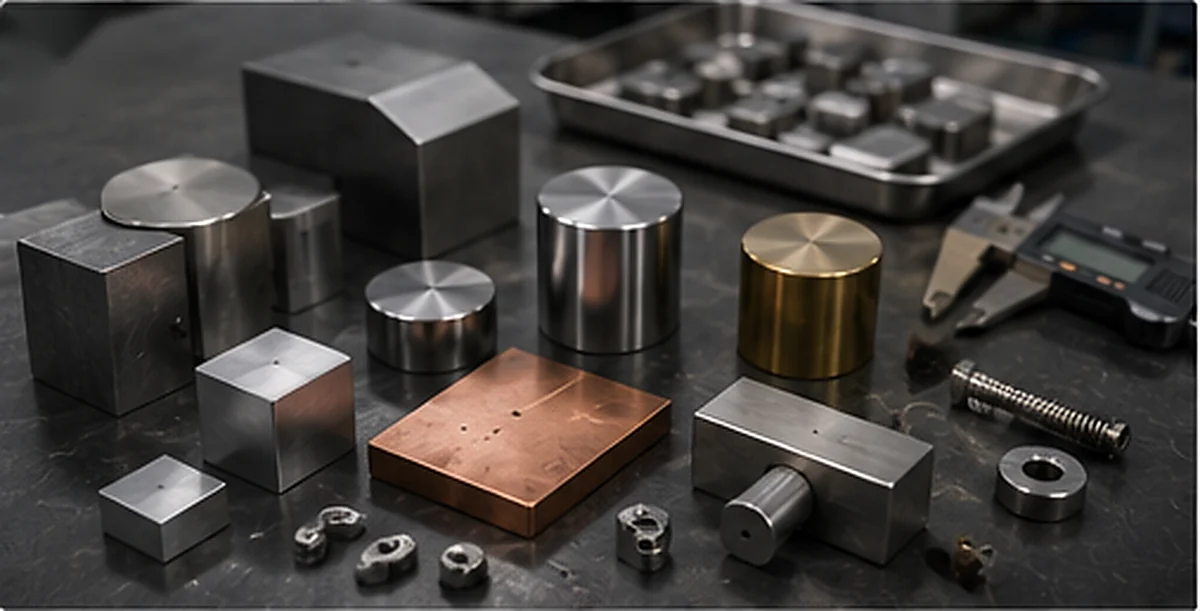
Poniższa lista metali magnetycznych opisuje ich typową reakcję na zwykły magnes ręczny. Nadaje się do wstępnej identyfikacji, ale nie do certyfikacji materiału.
| Metal lub grupa materiałów | Czy zwykle jest przyciągany przez zwykły magnes? | Istotne zastrzeżenie |
|---|---|---|
| Żelazo | Tak, silnie | Jeden z głównych pierwiastków ferromagnetycznych |
| Stal węglowa i stal niskowęglowa | Zwykle tak | Reakcja zależy od składu, struktury, grubości i stanu materiału |
| Nikiel | Tak | Czysty nikiel jest ferromagnetyczny w zwykłych temperaturach |
| Kobalt | Tak | Czysty kobalt jest ferromagnetyczny w zwykłych temperaturach |
| Ferrytyczna stal nierdzewna | Zwykle tak | Zwykle wyraźnie reaguje na magnes trzymany w dłoni |
| Martenzytyczna stal nierdzewna | Zwykle tak | Zwykle ferromagnetyczna |
| Stal nierdzewna duplex | Zwykle tak | Zawiera fazę ferrytyczną i austenityczną |
| Austenityczna stal nierdzewna | Często wykazuje słabą lub pomijalną reakcję | Obróbka na zimno i stan materiału mogą zwiększyć jego reakcję magnetyczną |
| Aluminium | Brak zauważalnego przyciągania w zwykłych warunkach | Jest paramagnetyczne, lecz reakcja jest bardzo słaba |
| Miedź | Brak zauważalnego przyciągania w zwykłych warunkach | Jest diamagnetyczna i zwykle nie przywiera do magnesu |
Na mniejszych ekranach przesuń tabelę palcem w poziomie, aby zobaczyć wszystkie kolumny.
Ta tabela nie pozwala określić dokładnych gatunków materiału. Jeśli potwierdzenie gatunku ma znaczenie, nadal wymagana jest dokumentacja dostawcy, świadectwa materiałowe, analiza składu chemicznego lub inna odpowiednia metoda identyfikacji.
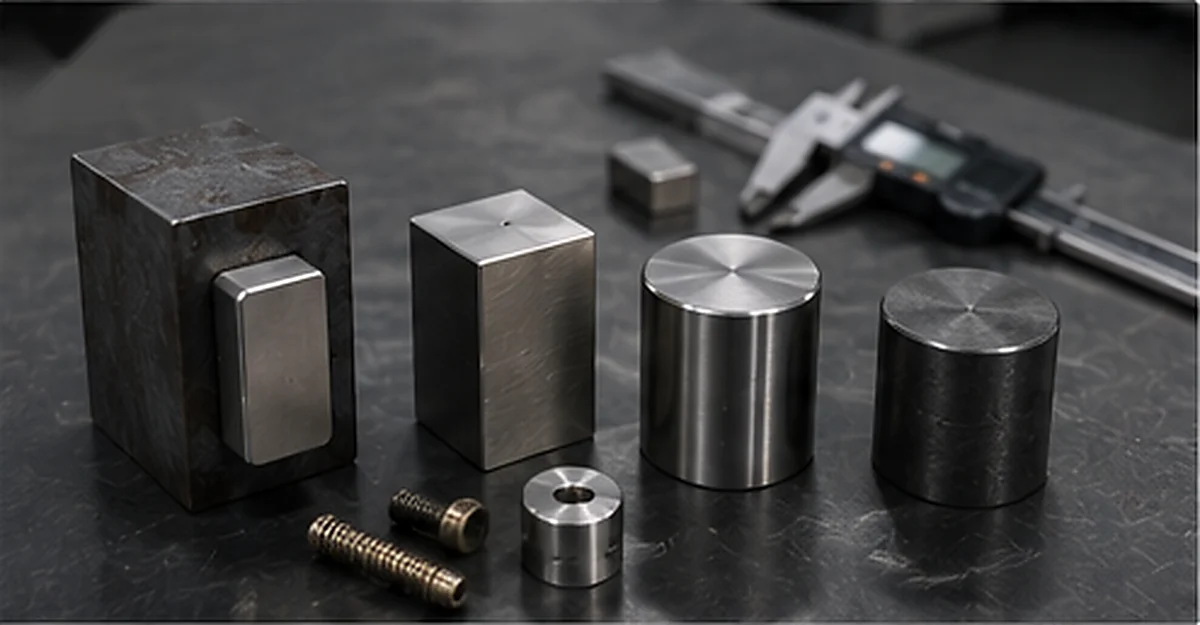
Co właściwie oznacza “magnetyczny”?
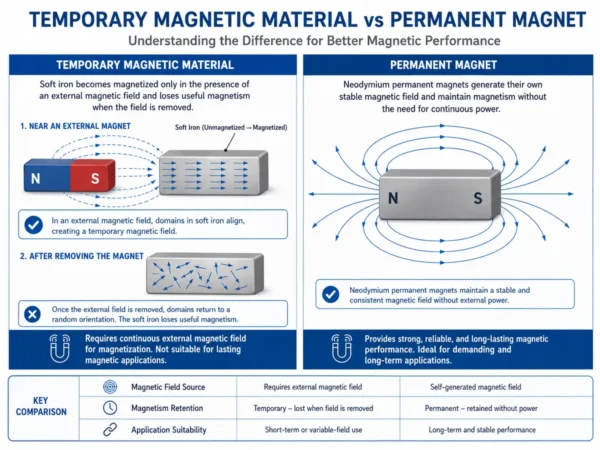
W języku potocznym metal nazywa się magnetycznym, jeśli jest przyciągany przez magnes na lodówkę lub magnes warsztatowy. W fizyce termin ten obejmuje kilka różnych sposobów reagowania materiału na pole magnetyczne.
| Termin | Znaczenie | Co zwykle można zaobserwować |
|---|---|---|
| Ferromagnetyczny | Silnie reaguje na przyłożone pole magnetyczne i zawiera domeny magnetyczne | Wyraźne przyciąganie przez magnes trzymany w dłoni |
| Paramagnetyczny | Słabo reaguje w kierunku przyłożonego pola magnetycznego | Zwykle brak zauważalnego przyciągania przez magnes trzymany w dłoni |
| Diamagnetyczny | Wykazuje bardzo słabą reakcję przeciwną do przyłożonego pola magnetycznego | Zwykle nie wywołuje zauważalnego efektu w codziennych warunkach |
| Magnes trwały | Zachowuje użyteczne namagnesowanie i wytwarza zewnętrzne pole magnetyczne | Może przyciągać odpowiednie materiały ferromagnetyczne |
Na mniejszych ekranach przesuń tabelę palcem w poziomie, aby zobaczyć wszystkie kolumny.
Fizyka uniwersytecka OpenStax klasyfikuje materiały według ich reakcji ferromagnetycznej, paramagnetycznej i diamagnetycznej. Aluminium zalicza do paramagnetyków, a miedź do diamagnetyków, wyjaśniając przy tym, dlaczego te słabe reakcje znacznie różnią się od przyciągania ferromagnetycznego.
W zastosowaniach inżynierskich należy precyzyjnie określić wymaganie. Projekt może wymagać:
- Elementu docelowego, który może być przyciągany przez magnes.
- Materiału, który można namagnesować.
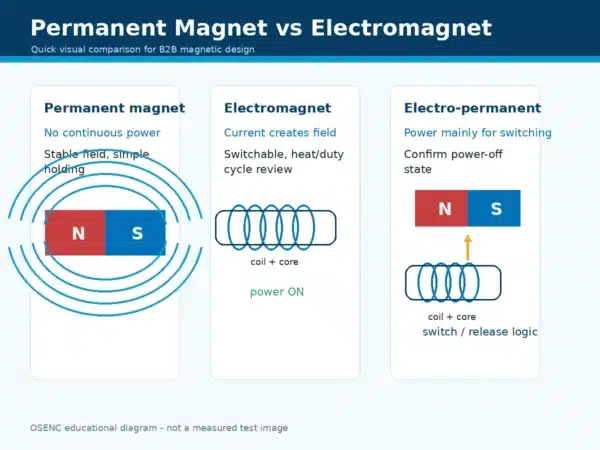
- Magnesu trwałego, który wytwarza użyteczne pole magnetyczne.
- Kompletnego obwodu magnetycznego zapewniającego wymaganą siłę w odległości roboczej.
Wymagania te są ze sobą powiązane, ale nie można ich traktować zamiennie.
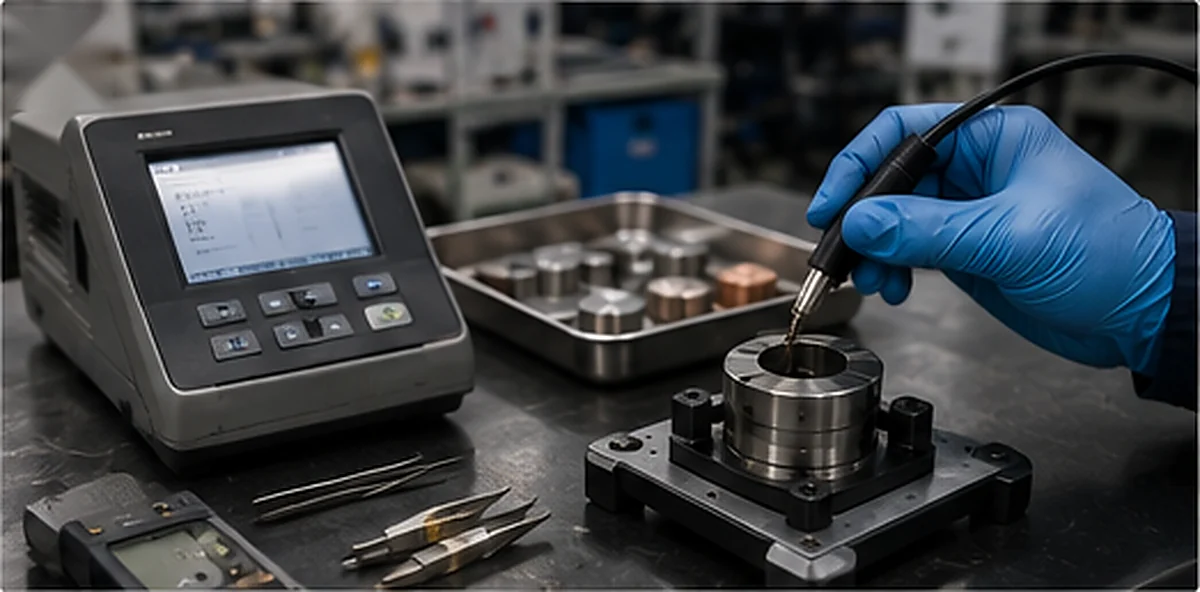
Dlaczego żelazo, nikiel, kobalt i wiele gatunków stali jest przyciąganych przez magnesy?
Materiały ferromagnetyczne zawierają domeny magnetyczne, które mogą silnie reagować na zewnętrzne pole magnetyczne. Dlatego nawet nienamagnesowany element stalowy może być przyciągany przez magnes trwały.
Żelazo, nikiel i kobalt to najbardziej znane metale ferromagnetyczne w typowych zagadnieniach inżynierskich. Wiele stopów na bazie żelaza również wykazuje właściwości ferromagnetyczne, jednak istotne pozostają skład chemiczny stopu i mikrostruktura.
Nie można zatem bezpiecznie zakładać, że każdy stop zawierający żelazo, nikiel lub kobalt będzie zachowywał się tak samo. Należy uwzględnić końcowy stan materiału.
Czy wszystkie stale i stale nierdzewne są magnetyczne?
Nie. Wiele stali jest przyciąganych przez magnesy, ale nie każdy gatunek stali lub stali nierdzewnej reaguje w taki sam sposób.
Stale węglowe i niskowęglowe zwykle reagują wyraźnie. W przypadku stali nierdzewnej jej właściwości magnetyczne zależą przede wszystkim od struktury metalurgicznej i stanu po obróbce.
Dokument Brytyjskie Stowarzyszenie Stali Nierdzewnej wyjaśnia, że ferrytyczne, martenzytyczne i duplex stale nierdzewne oraz większość stali nierdzewnych utwardzanych wydzieleniowo zwykle silnie reagują na magnes trzymany w ręku. Austenityczne stale nierdzewne w stanie całkowicie wyżarzonym zwykle reagują słabo.
Obróbka plastyczna na zimno może zwiększyć reakcję magnetyczną niektórych austenitycznych stali nierdzewnych. Znaczenie mają również skład i stan po obróbce cieplnej. Zob. wytyczne BSSA dotyczące wpływu obróbki plastycznej na zimno i obróbki cieplnej.
Wynikają z tego dwie praktyczne zasady:
- Przywieranie elementu ze stali nierdzewnej do magnesu nie potwierdza jego dokładnego gatunku.
- Słaba reakcja nie oznacza automatycznie, że element wykonano ze stali nierdzewnej 304 lub 316.
Obszary spawane lub poddane intensywnej obróbce skrawaniem należy oceniać na podstawie ich rzeczywistego składu i historii obróbki, a nie według ogólnej zasady.
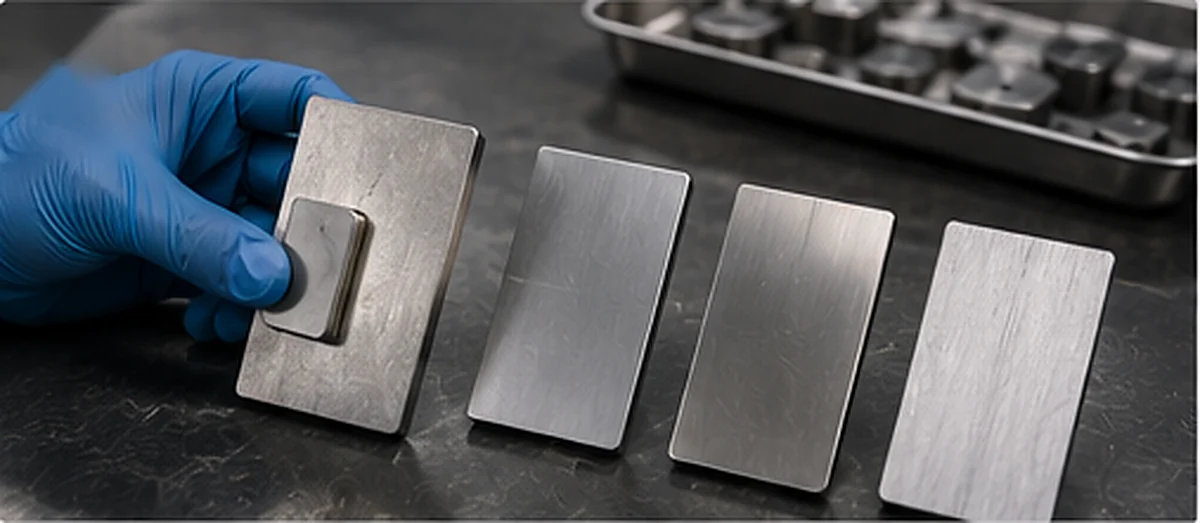
Które metale zwykle nie są przyciągane przez magnes?
Aluminium i miedź zwykle nie wykazują zauważalnego przyciągania w statycznej próbie z użyciem magnesu trzymanego w ręku.
Aluminium jest paramagnetykiem, co oznacza, że słabo reaguje zgodnie z kierunkiem przyłożonego pola. Miedź jest diamagnetykiem, co oznacza, że jej słaba indukowana reakcja jest skierowana przeciwnie do przyłożonego pola. W przypadku zwykłego magnesu trwałego żaden z tych efektów zazwyczaj nie zapewnia użytecznej siły trzymania.
Aluminium może oddziaływać ze zmiennymi polami magnetycznymi za pośrednictwem innych zjawisk fizycznych. Nie jest to zwykłe przyciąganie statyczne i zagadnienie to należy omówić osobno w kontekście aluminium i magnesów.
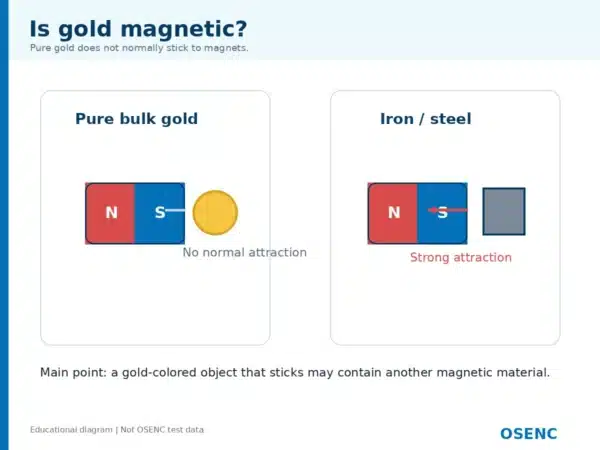
Element pokryty powłoką galwaniczną lub pomalowany również może dać mylący wynik. Cienka warstwa zewnętrzna może skrywać stal, wkładkę stalową lub inny element ferromagnetyczny.
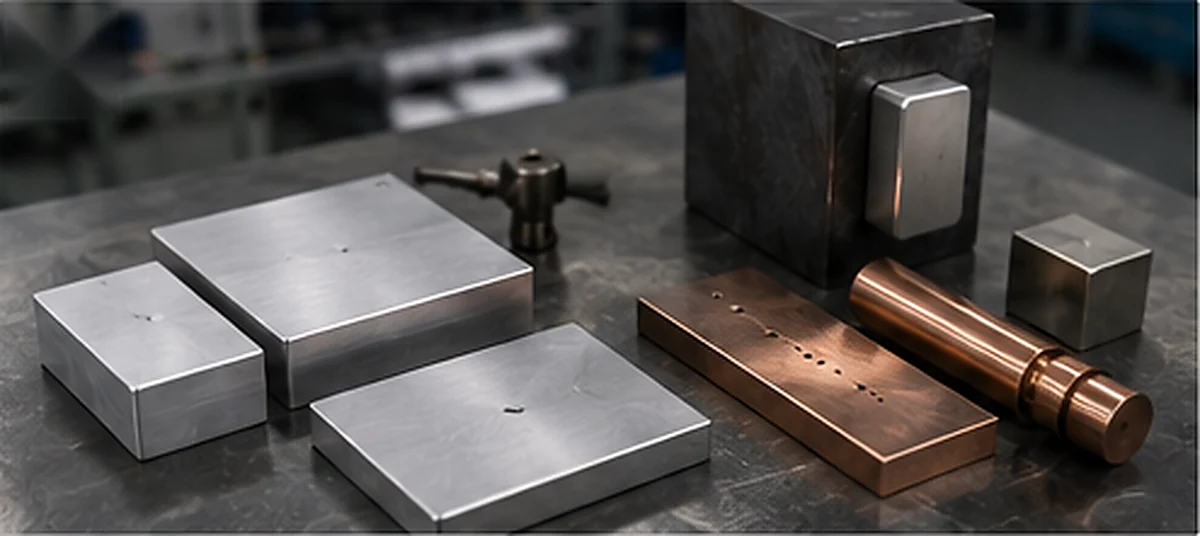
Czy próba magnesem pozwala zidentyfikować metal?
Próba magnesem jest przydatna do szybkiej oceny wstępnej, ale nie pozwala zidentyfikować dokładnego stopu.
Podczas porównywania elementów należy używać tego samego małego magnesu testowego, zachować podobne warunki styku i korzystać ze znanych próbek referencyjnych. Zanieczyszczenia, powłoki, krzywizna, grubość oraz ukryte wkładki mogą wpływać na wynik.
| Wynik próby | Co może oznaczać | Czego nie potwierdza |
|---|---|---|
| Silne przyciąganie | Może występować materiał ferromagnetyczny lub ukryty element ferromagnetyczny | Dokładny stop lub gatunek materiału |
| Słabe przyciąganie | Stal nierdzewna austenityczna, której właściwości zmieniły się wskutek obróbki, cienki fragment ferromagnetyczny lub inna struktura mieszana | Konkretny gatunek stali nierdzewnej |
| Brak wyraźnego przyciągania | Część może być wykonana z aluminium, miedzi, wyżarzonej austenitycznej stali nierdzewnej lub innego materiału słabo reagującego magnetycznie | Dokładny skład |
| Różne reakcje w obrębie jednej części | Mogą występować materiały mieszane, wkładki, obszary spawane, powłoki lub różne warunki obróbki | Przyczyna bez dalszej kontroli |
Na mniejszych ekranach przesuń tabelę palcem w poziomie, aby zobaczyć wszystkie kolumny.
Do czego należy używać testu magnesem?
| Test magnesem stosuj do | Nie stosuj go do |
|---|---|
| Wstępna selekcja materiału | Certyfikacja dokładnego gatunku stopu |
| Wykrywanie oczywistych elementów ferromagnetycznych | Potwierdzanie, czy materiał to stal 304 czy 316 |
| Wykrywanie potencjalnie ukrytej wkładki stalowej | Zatwierdzanie materiału do zastosowań krytycznych dla bezpieczeństwa |
| Porównywanie próbek w spójnych warunkach | Przewidywanie siły trzymania gotowego zespołu |
Wykorzystuj test jako etap wstępnej selekcji, a nie jako dowód zgodności ze specyfikacją produkcyjną.

Dlaczego siła przyciągania magnetycznego może zmieniać się w rzeczywistym zespole?
Sama wiedza, że docelowy metal jest ferromagnetyczny, nie mówi, jaką siłę zapewni gotowy zespół.
Dla kupujących praktyczne pytanie brzmi:
Czy ten materiał docelowy, przy swojej rzeczywistej grubości i szczelinie roboczej, zapewni wystarczającą użyteczną siłę w gotowym zespole?
| Czynnik zespołu | Dlaczego jest to istotne | Informacje do przekazania |
|---|---|---|
| Materiał docelowy i jego stan | Różne stale i ich struktury reagują w różny sposób | Gatunek, rodzina materiału, certyfikat lub próbka |
| Grubość materiału docelowego | Cienka stal może ograniczać użyteczny obwód magnetyczny | Rzeczywista grubość i dostępna powierzchnia materiału docelowego |
| Szczelina robocza | Powietrze, farba, klej, tworzywo sztuczne i powłoki oddzielają magnes od materiału docelowego | Całkowita szczelina niemagnetyczna |
| Płaskość powierzchni | Powierzchnie zakrzywione, chropowate, zardzewiałe lub nierówne ograniczają efektywną powierzchnię styku | Rysunek techniczny powierzchni lub próbka |
| Geometria magnesu | Średnica, długość, grubość i powierzchnia bieguna wpływają na rozkład pola | Dostępna przestrzeń montażowa |
| Kierunek magnesowania | Orientacja biegunów musi odpowiadać powierzchni roboczej | Wymagana powierzchnia robocza i orientacja zespołu |
| Stalowy element podkładowy lub obudowa | Prawidłowo zaprojektowana konstrukcja ferromagnetyczna może przekierowywać strumień | Materiał obudowy, wymiary i układ |
| Kierunek obciążenia | Bezpośrednie odrywanie, przesuwanie i odrywanie przy krawędzi stawiają różne wymagania | Kierunek obciążenia i pozycja montażowa |
| Warunki pracy | Temperatura, drgania, uderzenia i korozja mogą wpływać na przydatność | Rzeczywiste warunki eksploatacji |
| Metoda odbioru | Wartości siły odrywania podawane przez dostawców mogą być określane w różnych warunkach testowych | Wymagane stanowisko badawcze i kryteria akceptacji |
Na mniejszych ekranach przesuń tabelę palcem w poziomie, aby zobaczyć wszystkie kolumny.
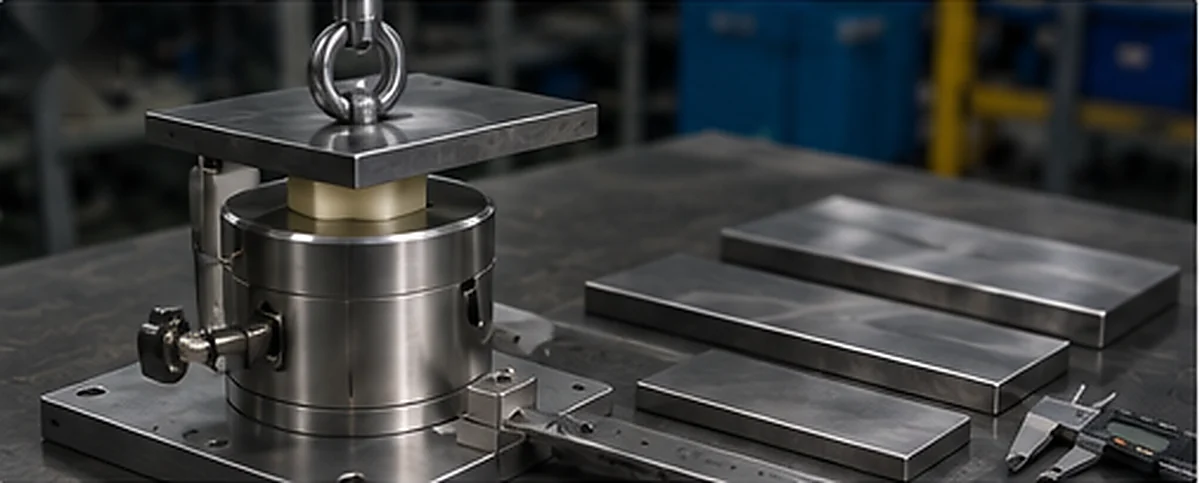
Powłoka, szczelina powietrzna lub nierówna powierzchnia mogą zmniejszyć użyteczną siłę odrywania. Cienka stal elementu docelowego może również ograniczać wydajność, ale efekt zależy od geometrii magnesu, materiału elementu docelowego i całego obwodu magnetycznego.
Specjalistyczne wytyczne dotyczące badań pokazują, że grubość stali i warunki styku mogą znacząco zmieniać siłę odrywania. Ostrzegają również, że wartości obliczeniowe lub katalogowe nie powinny zastępować testów aplikacyjnych. Zobacz wytyczne K&J Magnetics dotyczące grubości stali.
Prawidłowo zaprojektowany ferromagnetyczny element podkładowy lub obudowa może skierować większą część strumienia magnetycznego w stronę powierzchni roboczej. Nie dzieje się to automatycznie; geometria i materiał muszą tworzyć odpowiedni obwód magnetyczny.
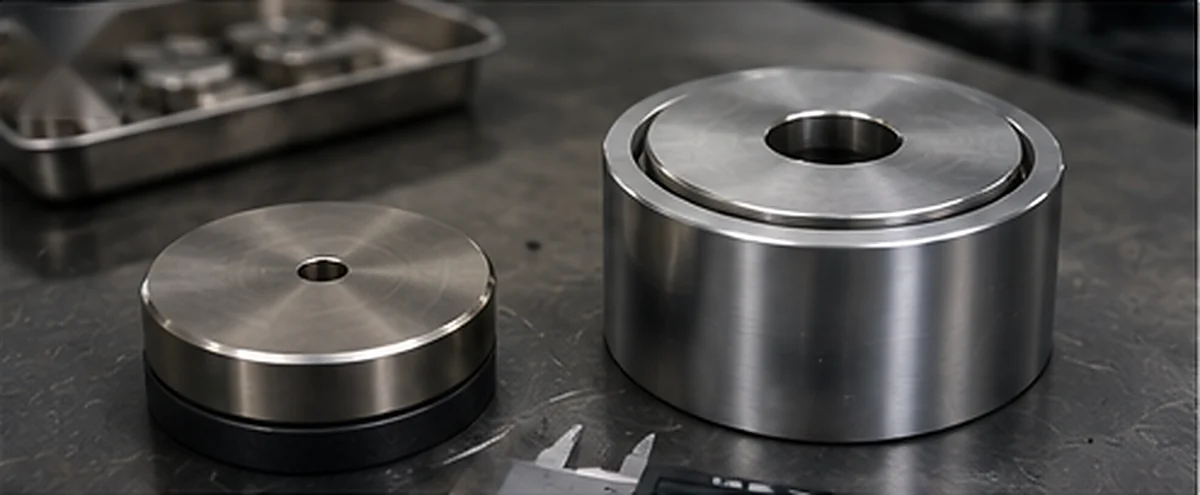
Magnes, który dobrze sprawdza się przy bezpośrednim odrywaniu, może zachowywać się inaczej przy obciążeniu związanym z przesuwaniem lub odrywaniem od krawędzi. Opór przesuwania zależy również od tarcia, stanu powierzchni i mechanicznego ograniczenia ruchu.
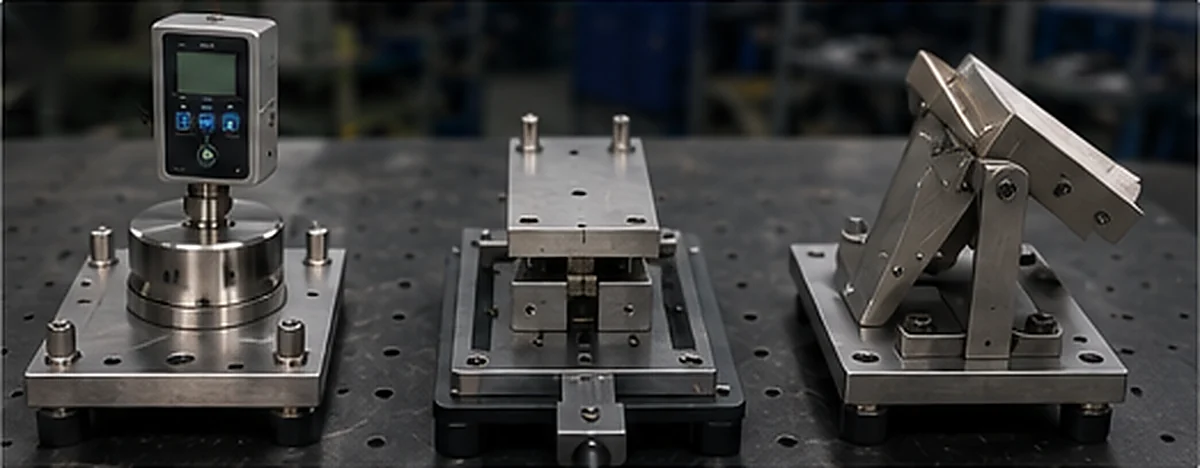
Jakie informacje należy podać w projekcie układu magnetycznego do trzymania lub separacji?
Przed wyborem magnesu lub zespołu magnetycznego należy podać następujące informacje:
- Rodzina materiałowa i gatunek materiału docelowego, jeśli są znane.
- Stan materiału lub historia jego obróbki.
- Grubość elementu docelowego i dostępna powierzchnia styku.
- Powłoki, farba, klej, tworzywo sztuczne lub inne czynniki powodujące powstanie szczeliny roboczej.
- Kształt, płaskość, chropowatość i stan korozyjny powierzchni.
- Dostępna przestrzeń na magnes i obudowę.
- Wymagana odległość robocza.
- Wymagana siła i kierunek obciążenia.
- Rodzaj obciążenia: bezpośrednie odrywanie, przesuwanie, odrywanie krawędziowe, podnoszenie czy rozdzielanie.
- Temperatura pracy i narażenie na czynniki środowiskowe.
- Wymagania dotyczące drgań, udarów, ruchu lub pracy cyklicznej.
- Rysunek techniczny, próbka, szkic lub schemat montażowy.
- Wymagana metoda walidacji i kryteria odbioru.
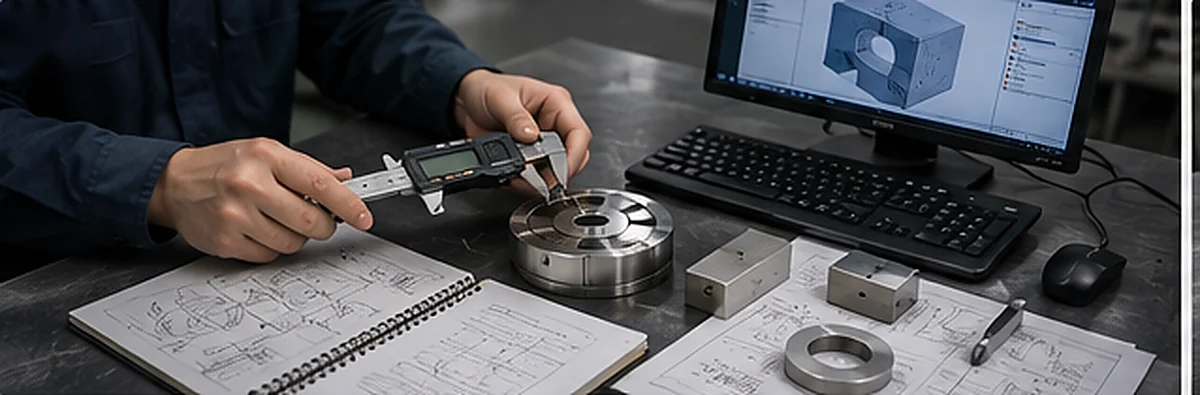
W przypadku separacji magnetycznej należy również podać strumień materiału, rodzaj zanieczyszczeń, oczekiwaną wielkość cząstek, odległość roboczą i metodę czyszczenia. Magnetyczny separator bębnowy lub inną konstrukcję magnetyczną należy oceniać w odniesieniu do rzeczywistego procesu, a nie dobierać wyłącznie na podstawie klasy magnesu.
Kiedy potrzebna jest analiza niestandardowego magnesu lub zespołu magnetycznego?
Prosty test ręczny może wystarczyć do podstawowej oceny materiału. Nie jest jednak wystarczający, gdy w projekcie określono siłę trzymania, dostępna przestrzeń jest ograniczona, występuje szczelina robocza, docelowy element stalowy jest cienki, kierunek obciążenia jest nietypowy lub obudowa stalowa ma złożoną konstrukcję.
Osenc może przeanalizować rysunki techniczne, próbki, szkice i wymagania aplikacyjne dotyczące magnesy neodymowe wykonywane na zamówienie oraz zespołów magnetycznych. Analiza może uwzględniać geometrię magnesu, klasę magnesu, kierunek magnesowania, powłokę, materiał docelowy, szczelinę roboczą i budowę obwodu magnetycznego.
Wyższa klasa magnesu nie oznacza automatycznie właściwego rozwiązania. Należy uwzględnić łącznie geometrię, materiał docelowy, dostępną powierzchnię bieguna, temperaturę, konstrukcję zespołu, koszty i wymagania dotyczące walidacji.
Projekty mogą również rozpoczynać się od odpowiednich próbek lub prototypów magnesów neodymowych przed przejściem do produkcji seryjnej. Rzeczywistą siłę należy zwalidować w uzgodnionych warunkach testu.
Najczęściej zadawane pytania
Jakie są trzy najczęściej spotykane metale magnetyczne?
Żelazo, nikiel i kobalt to trzy najbardziej znane metale ferromagnetyczne powszechnie stosowane w technice. Wiele stopów opartych na tych pierwiastkach również może wykazywać właściwości magnetyczne, jednak ich zachowanie zależy od składu i struktury.
Czy stal jest magnetyczna?
Większość stali węglowych i niskowęglowych jest wyraźnie przyciągana przez magnesy. Natomiast właściwości magnetyczne stali nierdzewnej zależą od jej grupy oraz stanu po obróbce.
Czy stal nierdzewna jest magnetyczna?
Niektóre stale nierdzewne są magnetyczne, natomiast inne wykazują niewielkie przyciąganie magnetyczne. Stale nierdzewne ferrytyczne, martenzytyczne i duplex są zwykle magnetyczne, podczas gdy całkowicie wyżarzone stale nierdzewne austenityczne często reagują słabo.
Czy aluminium jest magnetyczne?
Aluminium jest paramagnetykiem, ale zwykle nie przywiera do typowego magnesu trwałego. Jego reakcja magnetyczna jest zbyt słaba, aby można ją było wyczuć w standardowej próbie statycznej.
Czy miedź jest magnetyczna?
Miedź jest diamagnetykiem i w normalnych warunkach nie jest przyciągana przez magnes. Wyraźne przyciąganie może wskazywać na obecność stalowej wkładki, zanieczyszczenia, powłoki galwanicznej lub innego materiału w danym elemencie.
Czy test magnetyczny pozwala zidentyfikować gatunek metalu?
Nie. Może rozdzielać materiały na podstawie ich ogólnej reakcji magnetycznej, ale nie pozwala wiarygodnie potwierdzić konkretnego stopu ani gatunku stali nierdzewnej.
Czy silniejsze przyciąganie oznacza, że metal zawiera więcej żelaza?
Niekoniecznie. Przyciąganie zależy od mikrostruktury, składu, docelowej grubości, warunków procesu, geometrii magnesu i konfiguracji stanowiska testowego.
Czy metal magnetyczny może zagwarantować dużą siłę trzymania?
Nie. Materiał przyciągany przez magnes stanowi tylko jeden z elementów obwodu magnetycznego. Na użyteczną siłę wpływają również szczelina robocza, grubość przyciąganego elementu, stan powierzchni, geometria magnesu, obudowa i kierunek obciążenia.
Omów swoje zastosowanie magnetyczne z Osenc
Wybór materiału magnetycznego obiektu docelowego to dopiero pierwszy krok. Ostateczna konstrukcja musi działać z uwzględnieniem rzeczywistej grubości materiału docelowego, szczeliny, powierzchni, kierunku obciążenia, dostępnej przestrzeni i warunków pracy.
Osenc może przeanalizować Państwa rysunek, próbkę lub wymagania aplikacji przed walidacją próbki. Celem jest dopasowanie magnesu i obwodu magnetycznego do rzeczywistego zastosowania, zamiast doboru magnesu wyłącznie na podstawie jego klasy.
Skontaktuj się z Osenc, podając materiał docelowy, rysunek, odległość roboczą, wymaganą siłę, kierunek obciążenia i warunki środowiska pracy.
Poproś o ocenę techniczną