OSENC produkuje niestandardowe wielkogabarytowe magnesy neodymowe w kształcie dysków, bloków i pierścieni oraz segmentowe struktury magnetyczne do systemów OEM i zastosowań przemysłowych. Projektujemy geometrię, klasę NdFeB, kierunek magnesowania, powłokę, tolerancję oraz wymagania dotyczące obwodu magnetycznego jako jeden pakiet produkcyjny.
Prześlij nam rysunek techniczny, szczelinę roboczą, kierunek biegunów oraz docelową wartość pola magnetycznego lub wymaganie dotyczące siły trzymania. OSENC określi technologię wykonania: wielkogabarytowy magnes NdFeB w jednym elemencie, segmentową strukturę magnetyczną lub kompletny zespół magnetyczny.
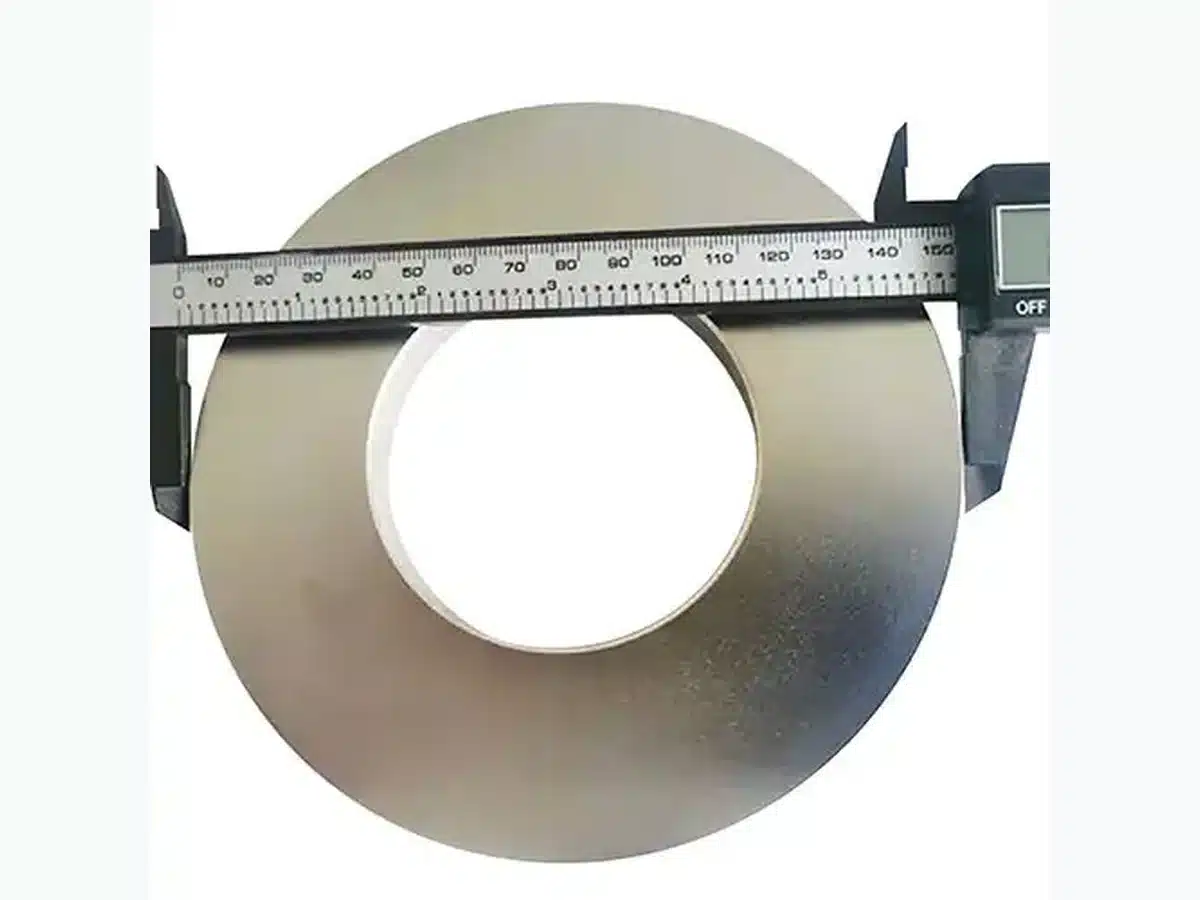
OSENC produkuje wielkogabarytowe magnesy neodymowe na podstawie rysunków klienta i wymagań dotyczących montażu. Te duże magnesy ziem rzadkich ocenia się na podstawie całej geometrii, a nie pojedynczej maksymalnej średnicy lub długości, ponieważ grubość, przekrój ścianki, długość orientacji, klasa magnesu, sposób magnesowania i tolerancja wpływają na technologię produkcji.
Produkujemy wielkogabarytowe magnesy dyskowe o średnicy i grubości określonych na rysunku technicznym, z wymaganym kierunkiem biegunów, tolerancją końcową i powłoką.
Produkujemy duże prostokątne bloki NdFeB o wymiarach L × W × T, z kontrolą wymaganych powierzchni biegunowych, kierunku orientacji i dopasowania do zespołu.
Produkujemy duże pierścienie w pełnej geometrii OD × ID × H, gdzie grubość ścianki, kruchość, powłoka i magnesowanie są kontrolowane jako jedna konfiguracja.
Gdy jeden duży magnes nie jest najlepszym rozwiązaniem produkcyjnym lub magnetycznym, OSENC realizuje projekt w oparciu o wiele kontrolowanych segmentów magnetycznych lub kompletny zespół magnetyczny.
Aby podjąć decyzję produkcyjną, prześlij pełny rysunek techniczny wraz z kierunkiem biegunów, docelowym gatunkiem, jeśli jest znany, tolerancją, powłoką i warunkami pracy.
Sprawdź projekt dużego magnesuOSENC określa duży dysk przez średnicę × grubość, blok przez L × W × T, a pierścień przez OD × ID × H oraz grubość ścianki. Pełną geometrię ustalamy przed sfinalizowaniem procesu produkcyjnego.
Ta geometria jest dobierana do gatunku, preferowanej orientacji, kierunku biegunów, powłoki, tolerancji, metody kontroli, manipulacji i transportu. Dzięki temu wymiar, który sam w sobie wygląda na akceptowalny, nie stanie się później problemem z magnesowaniem, obróbką lub logistyką.


W przypadku dużych magnesów neodymowych konstrukcja jednoczęściowa ogranicza liczbę części i połączeń wymagających wzajemnego ustawienia, ale nie zawsze jest najlepszym rozwiązaniem pod względem produkcyjnym lub magnetycznym. Gdy ograniczeniem stają się geometria całego elementu, długość orientacji, sposób magnesowania, obsługa lub transport, OSENC zmienia konstrukcję na opartą na kontrolowanych segmentach albo kompletnym zespole magnetycznym.
| Duży magnes jednoczęściowy | Magnesy segmentowe / zespół magnetyczny |
|---|---|
| Stosowane, gdy konstrukcja mechaniczna rzeczywiście wymaga jednego ciągłego elementu. | Stosowane, gdy strukturę magnetyczną lepiej wykonać jako kontrolowane moduły. |
| Zmniejsza liczbę części i interfejsów montażowych. | Może uprościć magnesowanie, obsługę, montaż lub wymianę. |
| Cała geometria musi być zgodna z wybraną orientacją i procesem magnesowania. | Umożliwia zorientowanie wielu magnesów jako części większego obwodu magnetycznego lub struktury typu Halbach. |
| Pakowanie i montaż muszą uwzględniać siłę całego magnesu. | Mniejsze, kontrolowane moduły mogą uprościć transport i montaż końcowy. |
| Dane wejściowe projektu | Zakres kontroli OSENC |
|---|---|
| Duży magnes dyskowy | Średnica × grubość, klasa magnesu, kierunek biegunów, powłoka i tolerancja są blokowane jako jedna konfiguracja produkcyjna. |
| Duży magnes blokowy | Długość × szerokość × grubość jest dopasowana do wymaganych powierzchni biegunowych, kierunku orientacji i pasowania montażowego. |
| Duży magnes pierścieniowy | Średnica zewnętrzna × średnica wewnętrzna × wysokość + grubość ścianki jest kontrolowana wraz z powłoką, magnesowaniem, kruchością i sposobem obchodzenia się z magnesem. |
| Wysoka klasa | Wykonalność w zakresie klasy i wymiarów jest potwierdzana dla rzeczywistej geometrii, a nie przyjmowana na podstawie ogólnej tabeli materiałowej. |
| Wąska tolerancja | Wymiar × geometria × tolerancja jest traktowana jako jedno wymaganie dotyczące obróbki i kontroli. |
| Specjalne magnesowanie | Kierunek biegunów + długość orientacji są ustalane przed zatwierdzeniem procesu magnesowania. |
Gotowa geometria, krytyczne powierzchnie współpracujące oraz tolerancje określone na rysunku są kontrolowane przed końcowym magnesowaniem.
Kierunek biegunów, preferowana orientacja oraz wymiar orientacji są określane przed rozpoczęciem produkcji, aby gotowy element można było namagnesować zgodnie z projektem.
Wymagania dotyczące gausów, strumienia magnetycznego lub siły odrywania są powiązane ze zdefiniowanymi warunkami badania, a nie traktowane jako odosobnione wartości katalogowe.
Namagnesowane elementy są rozdzielane, unieruchamiane i pakowane z uwzględnieniem rzeczywistej geometrii, siły przyciągania oraz trasy transportu.
Inżynierowie OSENC określają wymagania dotyczące pola na powierzchni, strumienia magnetycznego i siły odrywania na podstawie rzeczywistej geometrii magnesu oraz układu pomiarowego. Indukcja remanencji materiału Br nie jest tym samym co indukcja magnetyczna na powierzchni wyrażona w gausach, a siły odrywania nie można przewidzieć wyłącznie na podstawie rozmiaru magnesu.
Należy określić wymiary magnesu, gatunek materiału, kierunek biegunów, miejsce pomiaru, kierunek ustawienia sondy oraz szczelinę powietrzną.
Należy określić metodę pomiaru i obwód magnetyczny, aby można było odtworzyć wartość akceptacyjną podczas kontroli.
Należy określić materiał i grubość stali, warunki kontaktu, szczelinę powietrzną, powierzchnię kontaktu oraz kierunek odrywania.
OSENC wykorzystuje rzeczywistą geometrię dużego magnesu i zdefiniowane warunki badania jako podstawę inżynierską. Wartości uzyskane dla mniejszych magnesów nie są po prostu skalowane jako zamienniki dla rzeczywistego projektu.
Prześlij wartość docelową wraz z układem badania. Zaprojektujemy wymiary, gatunek materiału, kierunek biegunów i obwód magnetyczny z uwzględnieniem tego wymagania.
Prześlij wymagania magnetyczneObróbka mechaniczna, nakładanie powłoki, magnesowanie, kontrola i logistyka dużych elementów ze spiekanego NdFeB są ze sobą powiązane. OSENC kontroluje kolejność działań od zatwierdzenia rysunku do końcowego stanu po zapakowaniu, aby żaden etap nie powodował problemów na kolejnym.
Geometria i wymiary krytyczne zostają ostatecznie ustalone przed magnesowaniem końcowym.
Wybrany system ochrony przed korozją jest nakładany na część po obróbce mechanicznej.
Część jest magnesowana zgodnie z zatwierdzoną orientacją uprzywilejowaną i kierunkiem biegunów.
Wymagania dotyczące wymiarów, powłoki i parametrów magnetycznych określone na rysunku są sprawdzane uzgodnioną metodą odbioru.
Namagnesowane części są przechowywane oddzielnie, aby ograniczyć uderzenia, wykruszenia i niekontrolowane przyciąganie.
Odstępy, unieruchomienie i ekranowanie dostosowuje się do pola magnetycznego zapakowanych części oraz trasy transportu.
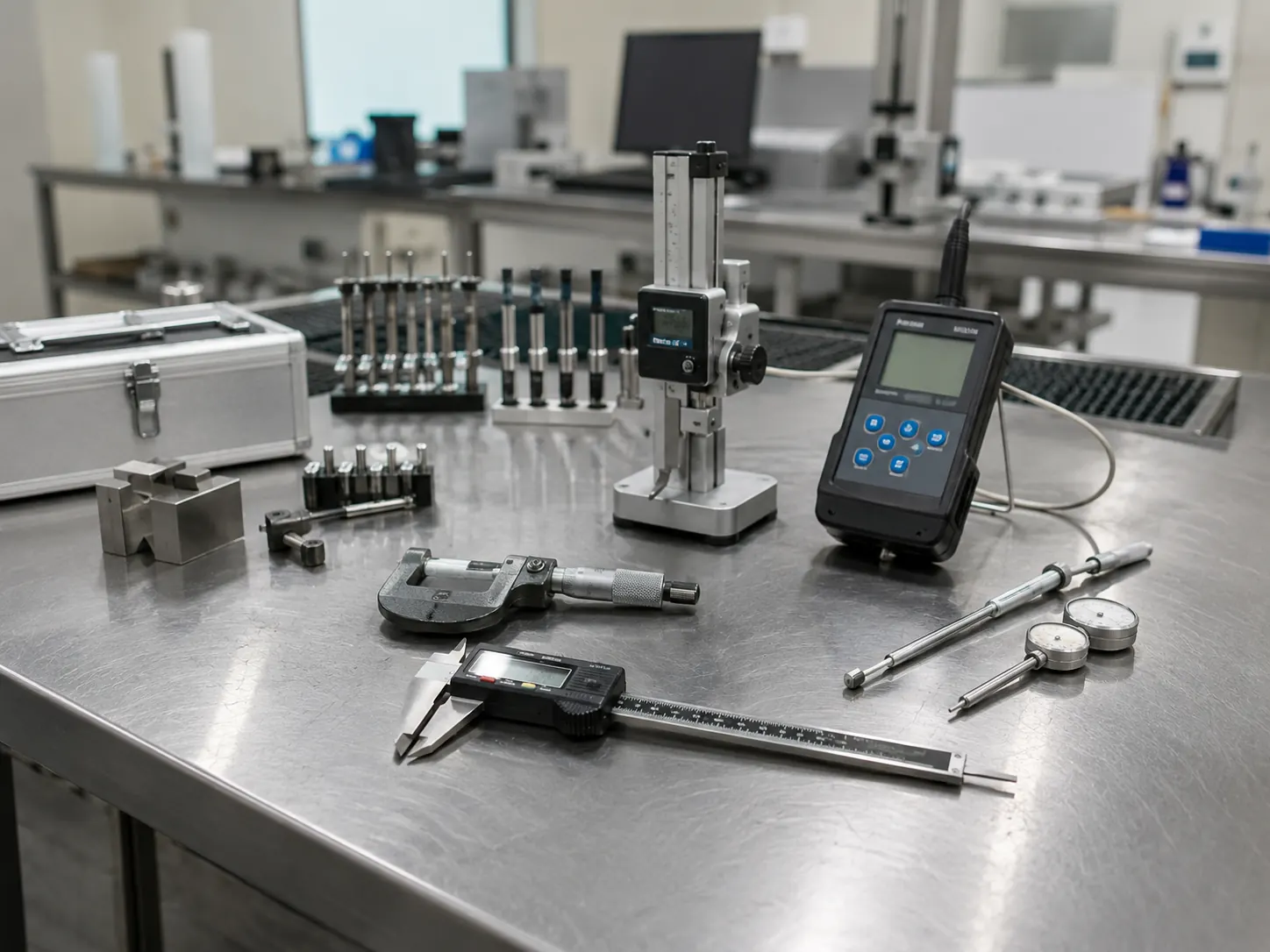
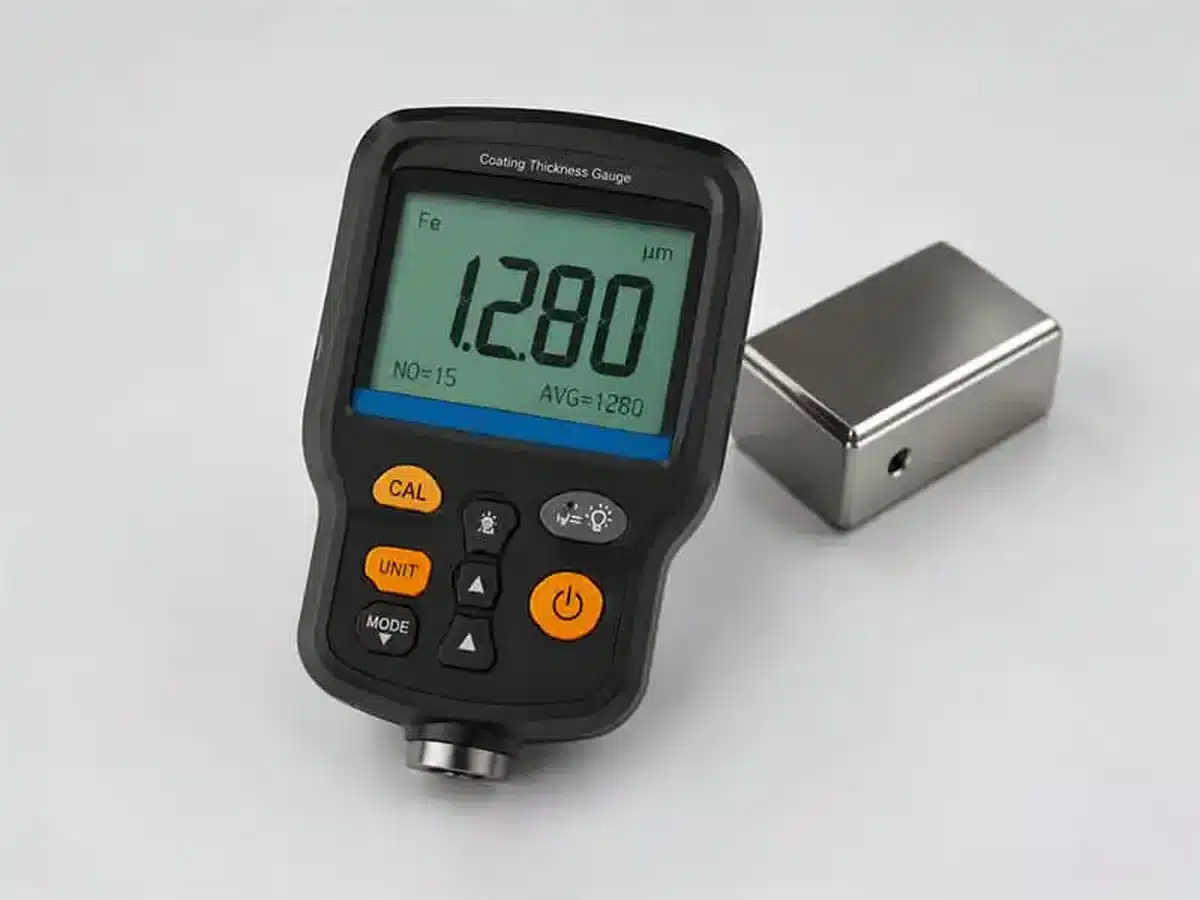
OSENC dobiera klasę do rzeczywistej geometrii dysku, bloku lub pierścienia, z uwzględnieniem wymaganych parametrów magnetycznych, temperatury pracy, dostępnej objętości i otaczającego obwodu magnetycznego.
Nikiel / Ni-Cu-Ni, cynk oraz powłoka epoksydowa / E-coat należą do uznanych systemów powlekania NdFeB. System powłokowy dobiera się do geometrii części, środowiska pracy i wymiarów końcowych istotnych dla pasowania.
W zapytaniu ofertowym należy uwzględnić temperaturę pracy, środowisko eksploatacji, kierunek biegunów oraz wrażliwość na odchyłki wymiarów końcowych, aby wraz z geometrią można było określić materiał i technologię wykonania powłoki.
Duże spiekane magnesy NdFeB łączą wysoką energię magnetyczną z ograniczoną odpornością mechaniczną. OSENC kontroluje sposób separacji, unieruchomienie, ochronę krawędzi i pakowanie z uwzględnieniem gotowej geometrii namagnesowanego magnesu, zamiast traktować pakowanie jako działanie wykonywane dopiero na końcu.
W przypadku transportu lotniczego końcowa konfiguracja opakowania musi spełniać aktualne obowiązujące przepisy IATA Dangerous Goods Regulations oraz wymagania przewoźnika. Możliwość transportu lotniczego jest potwierdzana po ocenie gotowego opakowania i pola rozproszenia.

OSENC produkuje duże pierścienie, bloki i segmentowe struktury biegunowe do konstrukcji, w których wymagana powierzchnia bieguna przekracza standardowe formaty magnesów.
Duże komponenty NdFeB są projektowane jako część obwodu magnetycznego separatora, z uwzględnieniem konstrukcji stalowej, szczeliny roboczej i docelowego pola.
Duże magnesy i konstrukcje segmentowe stosuje się, gdy system wymaga wysokiej energii magnetycznej w określonej przestrzeni mechanicznej.
OSENC określa układ magnesów na podstawie wymaganego obszaru pola, szczeliny powietrznej i dostępnej przestrzeni montażowej.
Rysunek 2D/3D, pełne wymiary, otwory lub średnica wewnętrzna (ID), grubość, grubość ścianki, tolerancje i luzy montażowe.
Klasa, jeśli jest znana, kierunek biegunów, temperatura pracy, docelowa wartość Gaussa / strumienia / siły przyciągania oraz kompletne warunki testowe.
Ilość, sposób montażu, miejsce docelowe, metoda transportu, ograniczenia dotyczące opakowania oraz informacja, czy wymagany jest transport lotniczy.
OSENC określi, czy projekt powinien wykorzystywać jeden duży magnes, kontrolowane segmenty czy kompletny zespół magnetyczny, a następnie przedstawi wycenę konfiguracji produkcyjnej.
Prześlij projekt dużego magnesuDane z zapytania ofertowego przekształcamy w podstawę opracowania technicznego i wyceny, zamiast przedstawiać ogólną ofertę opartą na wymiarach i klasie magnesu.
| Przekazują Państwo | OSENC przekazuje |
|---|---|
| Kompletny rysunek 2D / 3D | Ocena geometrii i technologiczności wykonania |
| Dostępna przestrzeń, szczelina robocza i otaczające elementy stalowe | Wytyczne dotyczące konfiguracji magnetycznej rzeczywistego zespołu |
| Docelowa wartość indukcji magnetycznej w gausach, strumienia magnetycznego lub siły odrywania wraz z warunkami badania | Określona podstawa oceny parametrów magnetycznych i kontroli |
| Kierunek biegunów / wymagania dotyczące pola magnetycznego | Sposób magnesowania i preferowana orientacja |
| Duże wymiary całkowite | Zalecenie dotyczące wykonania jednoczęściowego lub segmentowego / zespołu magnetycznego |
| Temperatura pracy i warunki środowiskowe | Dobór klasy magnesu i powłoki |
| Miejsce przeznaczenia i sposób wysyłki | Podstawa doboru opakowania i weryfikacji wysyłki |
| Liczba próbek i wielkość produkcji | Podstawa wyceny i wykonania próbek |
Nie istnieje jedna uniwersalna maksymalna średnica ani długość, która gwarantowałaby możliwość wykonania każdej niestandardowej geometrii. OSENC potwierdza kompletną geometrię dysku, bloku lub pierścienia wraz z grubością, przekrojem ścianki, klasą magnesu, preferowaną orientacją, kierunkiem magnesowania, powłoką i tolerancją przed zatwierdzeniem procesu produkcyjnego.
Do określenia procesu magnesowania wykorzystujemy wymagane powierzchnie biegunowe N/S, preferowaną orientację, długość w kierunku orientacji, klasę oraz pełną geometrię. Zaznacz wymagane powierzchnie biegunowe bezpośrednio na rysunku.
Nie. Indukcja magnetyczna na powierzchni, wyrażona w gausach, zależy od wymiarów i klasy magnesu, geometrii biegunów oraz położenia i odległości punktu pomiarowego. Indukcja remanencji materiału (Br) nie jest bezpośrednią wartością indukcji magnetycznej na powierzchni.
Nie w sposób wynikający z prostej proporcji. Siła odrywania zależy od geometrii magnesu, kierunku ustawienia biegunów, rodzaju i grubości stalowego elementu, szczeliny powietrznej, warunków styku, powierzchni styku oraz kierunku odrywania.
Tak. Prosimy przesłać informacje o dostępnej przestrzeni, szczelinie powietrznej, otaczających elementach stalowych, temperaturze pracy oraz docelowym warunku pomiaru. Na tej podstawie OSENC opracowuje wymiary magnesu, jego klasę, kierunek pola oraz konfigurację jednoczęściową lub segmentową.
Wybrane przesyłki po zapakowaniu mogą być transportowane drogą lotniczą po dokonaniu oceny opakowania i kontroli pola rozproszenia magnetycznego pod kątem aktualnie obowiązujących przepisów IATA dotyczących towarów niebezpiecznych oraz wymagań przewoźnika.
Prześlij kompletny rysunek techniczny, klasę magnesu, jeśli jest znana, kierunek magnesowania, temperaturę pracy, wymagania dotyczące powłoki, tolerancję, docelowy parametr magnetyczny wraz z warunkami testu, ilość, metodę montażu oraz miejsce dostawy.
OSENC określi proces produkcyjny na podstawie geometrii, klasy, preferowanej orientacji, magnesowania, powłoki, wymagań magnetycznych oraz wymagań dotyczących obsługi i transportu, a następnie przedstawi wycenę kompletnej konfiguracji produkcyjnej.