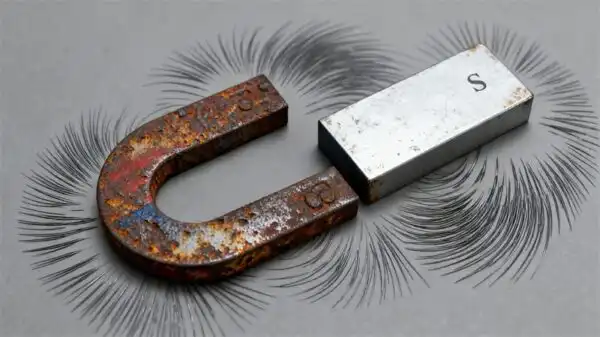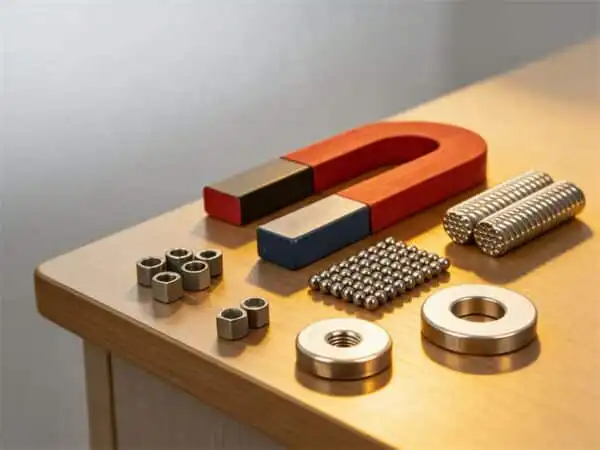
A magnete è un oggetto o un materiale che produce un campo magnetico. Magnetismo è il fenomeno fisico alla base dei campi magnetici e dell'attrazione, della repulsione o degli altri effetti magnetici che possono produrre. Un'interazione magnetica può agire a distanza; non è necessario il contatto diretto.
Per le applicazioni ingegneristiche, è importante considerare che il materiale o il grado di un magnete non ne determina da solo le prestazioni finali. La geometria, la direzione di magnetizzazione, la distanza di lavoro o il traferro, il materiale di riscontro, l'acciaio nelle vicinanze, la temperatura e il metodo di prova influiscono tutti sul risultato utilizzabile.
Magneti e magnetismo in 5 punti
- Un magnete produce un campo magnetico; il magnetismo descrive il comportamento fisico più ampio associato a tale campo.
- Gli effetti magnetici possono agire a distanza, ma il campo varia generalmente al variare della distanza di lavoro e della geometria circostante.
- I sistemi magnetici permanenti, temporanei o indotti ed elettromagnetici producono o mantengono il magnetismo in modi diversi.
- Le prestazioni magnetiche utili sono il risultato del sistema, non di una denominazione di grado o di un singolo valore di Gauss superficiale.
- Per la selezione, definire le condizioni operative e di prova effettive prima di scegliere il materiale, il grado, le dimensioni, la magnetizzazione, il rivestimento o i dettagli dell'assieme.
Qual è la differenza tra un magnete e il magnetismo?
I termini magnete e la magnetismo descrivono concetti diversi. Un magnete è un oggetto fisico o un materiale. Il magnetismo è il fenomeno più ampio che spiega il campo magnetico e le forze a esso associate.
| Termine | Significato | Rilevanza ingegneristica |
|---|---|---|
| Magnete | Un materiale o un oggetto che genera un campo magnetico. | Se ne specificano il materiale, il grado, le dimensioni, la magnetizzazione, il rivestimento e le tolleranze. |
| Magnetismo | Il comportamento fisico associato ai campi magnetici e alle interazioni magnetiche. | Si valuta il comportamento del campo nella geometria reale, nel traferro, nel materiale bersaglio e nel circuito magnetico. |
| Campo magnetico | Il campo in cui possono verificarsi interazioni magnetiche. | La sua intensità e la sua direzione dipendono dalla posizione, dalla geometria, dalla magnetizzazione e dai materiali magnetici circostanti. |
| Forza magnetica | L'effetto meccanico prodotto da un'interazione magnetica. | La forza di tenuta o di attrazione dipende da più fattori, non da un singolo valore in Gauss. |
Questa distinzione è importante perché gli errori di approvvigionamento spesso iniziano quando una proprietà del materiale viene confusa con le prestazioni del dispositivo finito. Il nome di un grado, un valore Br o un valore in Gauss misurato sulla superficie descrivono solo una parte del sistema magnetico.
Qual è l'origine del magnetismo?
Il magnetismo ha origine dal comportamento magnetico degli elettroni all'interno della materia. In molti materiali, i minuscoli contributi magnetici sono orientati in direzioni diverse e si annullano in larga misura. Nei materiali ferromagnetici, gruppi di momenti magnetici possono organizzarsi in regioni chiamate domini magnetici. Quando un numero sufficiente di domini si allinea in una direzione favorevole, il materiale può generare un forte effetto magnetico risultante.
Questa rappresentazione semplificata è sufficiente ai fini della selezione pratica: la struttura magnetica interna crea il potenziale magnetico, mentre la lavorazione del materiale, la magnetizzazione e il circuito magnetico finale determinano quanta parte di tale potenziale può essere sfruttata all’esterno del componente.
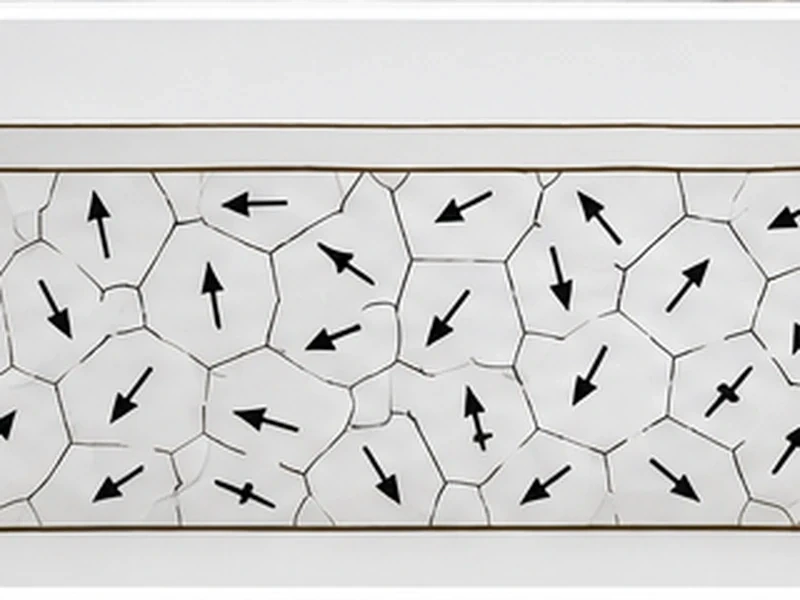
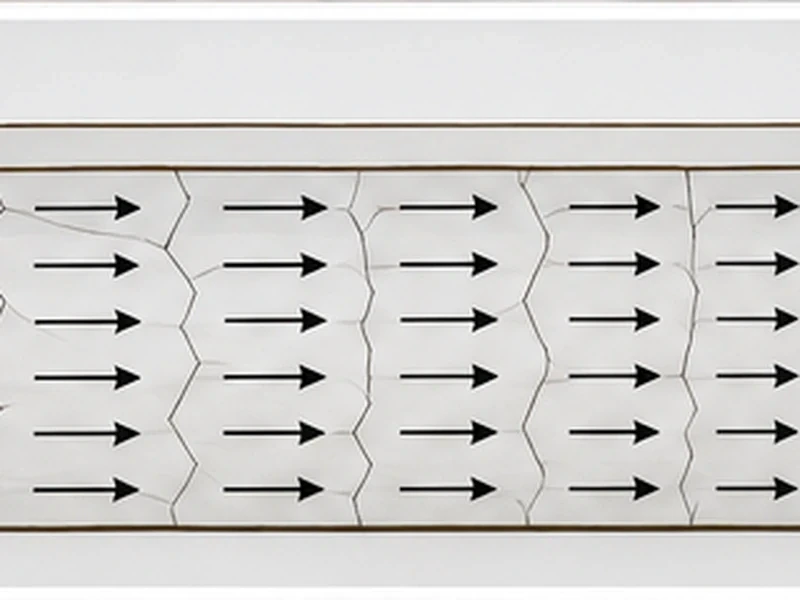
OpenStax descrive i materiali ferromagnetici come materiali contenenti domini i cui dipoli magnetici possono allinearsi a un campo applicato, mentre il National High Magnetic Field Laboratory spiega il magnetismo permanente in base alla struttura interna e all’allineamento dei contributi magnetici nel materiale. Per un approfondimento, si vedano OpenStax: Il magnetismo nella materia e il riferimento del National MagLab sui magneti permanenti.
I materiali per magneti permanenti sono progettati affinché mantengano una magnetizzazione utile anche dopo la rimozione del campo magnetizzante. Un materiale magnetico temporaneo o indotto reagisce intensamente a un campo magnetico esterno, ma può conservare una magnetizzazione minima dopo la rimozione del campo. Un elettromagnete funziona invece in modo diverso: il campo è generato dalla corrente elettrica che attraversa un conduttore o una bobina.
Campi magnetici, poli, attrazione e repulsione
Ogni comune magnete permanente si comporta come un dipolo magnetico, con un polo che si orienta verso nord e uno che si orienta verso sud. I poli omonimi si respingono, mentre quelli opposti si attraggono. Se un magnete viene spezzato, ciascun frammento continua a comportarsi come un dipolo più piccolo, anziché generare un polo nord o sud isolato utilizzabile.
Le linee del campo magnetico sono uno strumento di rappresentazione, non fili fisici presenti nello spazio. Per convenzione, la direzione del campo all’esterno di un magnete permanente viene indicata dal polo nord verso il polo sud. Le linee di campo formano circuiti chiusi continui e il loro andamento cambia quando vengono introdotti magneti, traferri, componenti in acciaio o altri materiali magnetici.
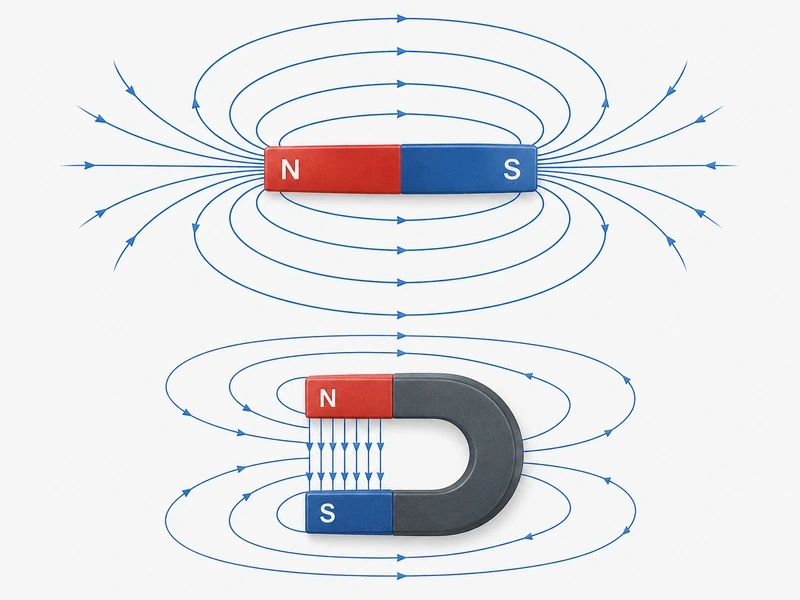
Per una spiegazione specifica della polarità e della direzione del campo, consulta la pagina di OSENC sulla direzione del campo magnetico guida.
Quali sono i principali tipi di magneti?
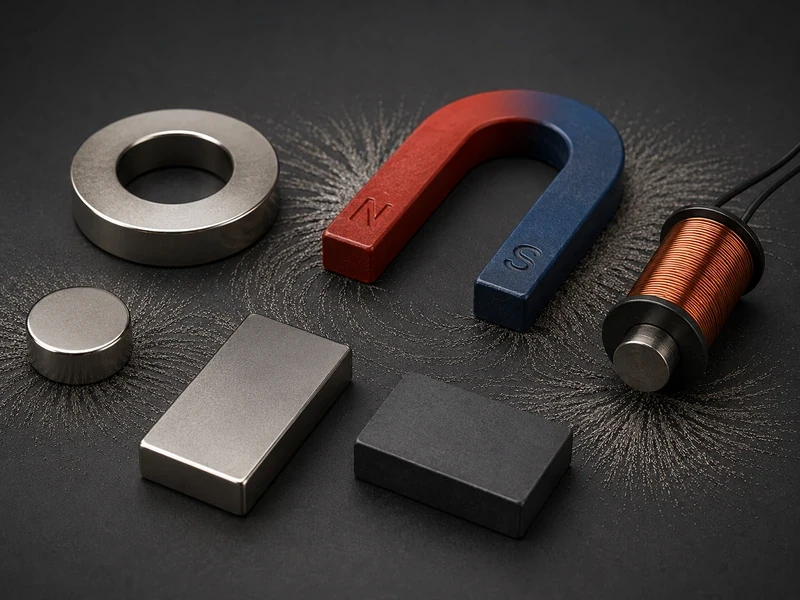
Per le discussioni di base su magneti e magnetismo, è utile distinguere tre grandi categorie: magneti permanenti, magneti temporanei o indotti ed elettromagneti. Queste categorie descrivono il modo in cui il magnetismo viene generato o mantenuto, non semplicemente la forma del componente.
| Tipo | Come viene generato o mantenuto il campo magnetico | Tipica esigenza progettuale |
|---|---|---|
| Magnete permanente | Mantiene una magnetizzazione utile senza alimentazione elettrica continua. | Campo magnetico passivo e compatto per motori, sensori, altoparlanti, giunti, sistemi di fissaggio e molti altri dispositivi. |
| Magnete temporaneo / indotto | Si magnetizza principalmente in risposta a un campo magnetico esterno. | Utile come nucleo magnetico, percorso del flusso o materiale di riscontro nelle applicazioni in cui può essere preferibile una bassa magnetizzazione residua. |
| Elettromagnete | La corrente elettrica genera il campo magnetico. | Utile quando l'intensità del campo o l'attivazione e la disattivazione devono essere controllate elettricamente. |
Le famiglie più comuni di materiali per magneti permanenti comprendono NdFeB, SmCo, ferrite e Alnico. Differiscono per proprietà magnetiche, comportamento alle diverse temperature, resistenza alla corrosione, caratteristiche meccaniche, costo e lavorabilità. In un processo di selezione razionale, la famiglia del materiale deve quindi essere definita prima del numero del grado.
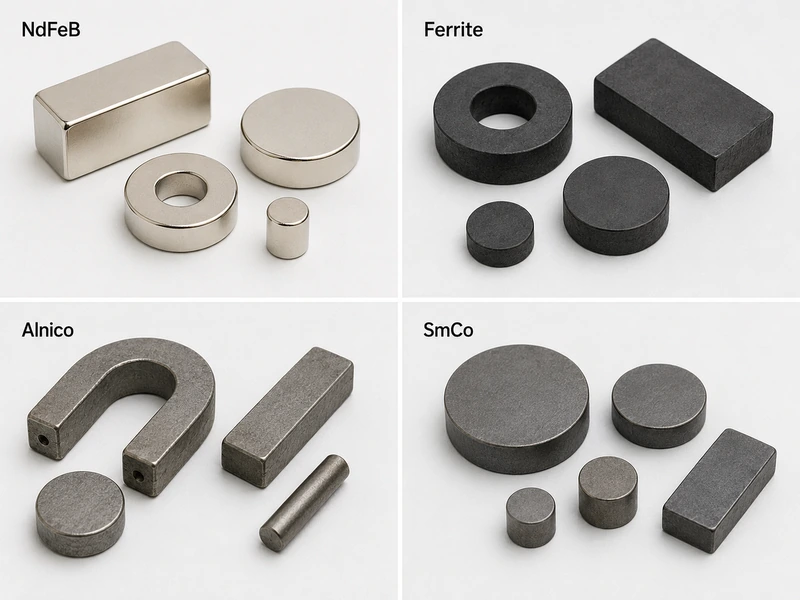
Per un confronto più approfondito, consulta la pagina dedicata tipi di magneti anziché trasformare questa guida introduttiva in un altro catalogo di materiali.
Quali sono le cause del magnetismo e cosa determina la forza di un magnete?
Non esiste un unico parametro tecnico denominato “forza del magnete”. Misure diverse rispondono a domande diverse e confonderle è uno dei modi più rapidi per specificare il magnete sbagliato.
| Proprietà o prova | Che cosa indica | Che cosa non indica da solo |
|---|---|---|
| Br (rimanenza) | Un’indicazione, a livello di materiale, della densità di flusso magnetico residua dopo la magnetizzazione in condizioni definite. | Il valore esatto del campo superficiale, del campo alla distanza di lavoro o della forza di attrazione di un componente finito. |
| Hcb | Il campo inverso associato all’azzeramento della densità di flusso magnetico B sulla curva di smagnetizzazione. | La stessa cosa della coercitività intrinseca. |
| Hcj | La coercitività intrinseca, importante per valutare la resistenza alla smagnetizzazione irreversibile. | Una garanzia universale della temperatura di esercizio. |
| BHmax | Il prodotto energetico massimo e un utile indicatore dell’efficienza del materiale. | La forza o il campo del componente finito con una geometria qualsiasi. |
| Induzione magnetica superficiale | La densità di flusso magnetico nella posizione della sonda, in prossimità o sulla superficie. | La forza di attrazione o il campo a un’altra distanza. |
| Forza di distacco | La forza meccanica in condizioni definite di geometria di prova e di contatto/traferro. | Un valore di forza universalmente valido per qualsiasi controparte o traferro. |
B, H, flusso magnetico e permeabilità sono correlati, ma distinti
B, H, il flusso magnetico e la permeabilità descrivono aspetti diversi del comportamento magnetico. Considerarli intercambiabili può portare a definire un materiale o un requisito di prova errato.
| Termine | Che cosa descrive | Perché è importante per l'acquirente |
|---|---|---|
| B, densità di flusso magnetico | La densità di flusso magnetico locale in un punto definito o all'interno di un materiale; viene comunemente espressa in tesla o gauss. | Si utilizza quando è richiesto un valore di campo su una superficie o in una posizione di lavoro, ma occorre definire il punto e la direzione di misura. |
| H, intensità del campo magnetico | L'intensità del campo magnetizzante o smagnetizzante; non è la stessa grandezza di B. | È importante per valutare le condizioni di magnetizzazione e la resistenza ai campi inversi o smagnetizzanti. |
| Flusso magnetico | Il flusso magnetico attraverso un'area definita, correlato alla distribuzione di B su tale area. | Aiuta a descrivere la quantità di flusso che attraversa un polo, un elemento bersaglio o un circuito magnetico, anziché il solo valore in un singolo punto. |
| Permeabilità | Una proprietà del materiale che descrive la relazione tra densità di flusso magnetico e intensità del campo magnetico; nei materiali ferromagnetici può variare in funzione delle condizioni di esercizio e della storia magnetica. | Influisce notevolmente sul modo in cui l'acciaio o un altro materiale magnetico convoglia e reindirizza il flusso nel circuito magnetico. |
Per un approfondimento specifico su questa proprietà del materiale, consulta che cosa significa permeabilità magnetica. Questi termini aiutano a descrivere il sistema, ma nessuno di essi, da solo, sostituisce un requisito di campo o di forza sul componente finito.
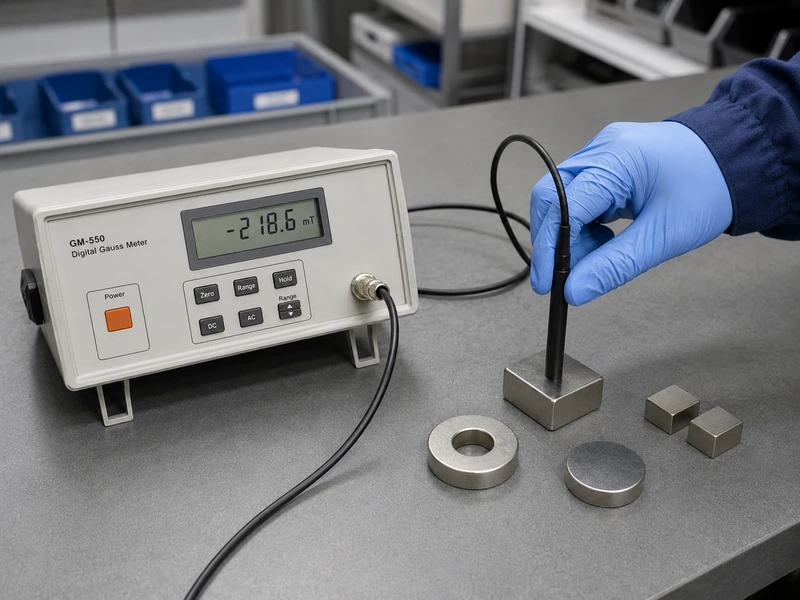
Una lettura superficiale più elevata non implica automaticamente una forza maggiore alla distanza di lavoro effettiva. Geometria, area polare, direzione di magnetizzazione, traferro e percorso di ritorno attraverso l'acciaio possono modificare il risultato.

Analogamente, un grado NdFeB più elevato non rappresenta automaticamente la scelta progettuale migliore. Un grado superiore può presentare differenze in termini di Br o BHmax, ma la scelta finale deve anche resistere alla temperatura effettiva, al campo inverso e alle condizioni reali di geometria, rivestimento, assemblaggio e prova di accettazione. Consulta gradi dei magneti e la gauss del magnete per approfondimenti specifici su questi argomenti.
Perché la distanza di lavoro, il traferro e il circuito magnetico sono importanti
Le prestazioni magnetiche cambiano non appena il magnete passa da una scheda tecnica idealizzata del materiale a un prodotto reale. Il campo diminuisce con la distanza e l'esatta velocità di decadimento dipende dalla geometria, dalla magnetizzazione e dal circuito magnetico circostante.
Il traferro è particolarmente importante perché l'aria presenta una permeabilità magnetica molto inferiore a quella dell'acciaio ferromagnetico. L'aggiunta di un traferro può aumentare la riluttanza magnetica e ridurre il flusso utile trasferito all'elemento bersaglio. Vernice, rivestimento galvanico, adesivo, parete in plastica, gioco meccanico o superficie di accoppiamento curva possono tutti contribuire al traferro effettivo.
Anche la geometria dell'acciaio è importante. Una piastra posteriore, un'espansione polare o un alloggiamento in acciaio adeguati possono reindirizzare il flusso e modificare la distribuzione del campo. Tuttavia, se la sezione in acciaio raggiunge la saturazione, la semplice aggiunta di altro materiale magnetico può apportare un beneficio molto inferiore al previsto.

Se il requisito è “X gauss a 5 mm” oppure “forza di tenuta Y attraverso una copertura”, specificare il punto di misura, l'insieme degli spessori che costituiscono il traferro, il materiale e lo spessore dell'elemento bersaglio, l'area di contatto e l'orientamento di prova. Occorre quindi valutare il circuito magnetico completo, anziché scegliere il magnete esclusivamente in base al grado.
Per i progetti in cui la distribuzione del campo è difficile da dedurre dalla semplice geometria, l'iter previsto da OSENC per i progetti confermati consente l'analisi del circuito magnetico e simulazione del campo magnetico per i progetti idonei.
Come temperatura, corrosione e campi smagnetizzanti modificano le prestazioni
La temperatura di esercizio e la temperatura di Curie non sono intercambiabili. La temperatura di Curie descrive una transizione fondamentale del materiale, mentre un magnete in condizioni reali può subire perdite magnetiche reversibili o irreversibili inaccettabili ben al di sotto di tale valore, in funzione di materiale, grado, geometria, coefficiente di permeanza, campo opposto e storia termica.
Ecco perché sapere che “l'applicazione raggiunge 120 °C” non è sufficiente per definire il grado. La progettazione deve considerare anche la geometria del magnete, il circuito magnetico, il ciclo di lavoro, il campo circostante e la variazione di prestazioni accettabile. Per un approfondimento specifico, consulta come la temperatura influisce sulla forza del magnete.
Il NdFeB sinterizzato è normalmente protetto con un rivestimento o un altro trattamento superficiale, poiché la corrosione può danneggiare il magnete quando l'umidità o le sostanze chimiche reach il substrato. La scelta del rivestimento dipende quindi da esposizione, abrasione, bordi, dimensioni, processo di assemblaggio e temperatura. La resistenza alla corrosione non equivale all'immunità alla corrosione.
Consulta la guida OSENC rivestimento per magneti al neodimio se umidità, sale, sostanze chimiche o spessore del rivestimento possono influire sulla progettazione.
Un magnete permanente può perdere il proprio magnetismo?
Sì. Un magnete permanente può perdere temporaneamente o irreversibilmente prestazioni magnetiche utili se le condizioni di esercizio portano il sistema magnetico al di fuori di un intervallo accettabile. Una temperatura eccessiva può ridurre l'uscita magnetica e, a seconda del materiale, del grado e del punto di lavoro, causare una perdita irreversibile. Anche un campo magnetico opposto sufficientemente intenso può smagnetizzare il magnete.
La corrosione crea un problema diverso: la perdita di materiale o il cedimento del rivestimento possono deteriorare fisicamente il magnete e modificarne quindi le prestazioni utilizzabili. Gravi danni meccanici possono scheggiare o fratturare un magnete fragile oppure alterare la geometria del gruppo; ciò non significa automaticamente che il materiale magnetico stesso sia stato smagnetizzato, ma il sistema finito potrebbe non soddisfare più i requisiti di campo o di forza.
Per un approfondimento specifico sui meccanismi di perdita a lungo termine e sul vero significato di “permanente”, consulta I magneti si consumano?
Direzione di magnetizzazione e forma non sono la stessa cosa
Un magnete a disco non è necessariamente magnetizzato assialmente e un magnete ad anello non è necessariamente magnetizzato radialmente. La forma descrive la geometria. La magnetizzazione descrive la direzione o la configurazione polare imposta al magnete.
A seconda del progetto e del processo produttivo, è possibile valutare la magnetizzazione assiale, diametrale, radiale, multipolare e altre configurazioni personalizzate idonee. La disposizione dei poli richiesta deve quindi essere indicata sul disegno, anziché essere lasciata all’interpretazione.

Anche l’assemblaggio può modificare il risultato effettivo. NdFeB e molti altri materiali magnetici permanenti duri sono fragili. Carichi di serraggio, urti, accoppiamenti a interferenza, polimerizzazione dell’adesivo, danni al rivestimento, tolleranze dell’alloggiamento e attrazione tra magneti possono causare cedimenti meccanici anche quando il calcolo magnetico è corretto.
Indica sullo stesso disegno la direzione di magnetizzazione, l’acciaio di accoppiamento, l’adesivo o il metodo di ritenuta e i giochi critici di assemblaggio. In questo modo, il fornitore di magneti dispone di informazioni sufficienti per valutare sia le interfacce magnetiche sia quelle meccaniche.
Errori comuni sul magnetismo che portano a specifiche errate
Molti errori nella scelta dei magneti nascono da un’affermazione parzialmente vera, ma incompleta. La questione ingegneristica consiste sempre nel determinare che cosa significhi tale affermazione nelle effettive condizioni di geometria, traferro, temperatura e prova.
| Errore comune | Interpretazione ingegneristica più corretta |
|---|---|
| “Un grado più elevato produce sempre un magnete finito più potente.” | Proprietà più elevate del materiale possono essere utili, ma la geometria, la magnetizzazione, il traferro, il circuito magnetico, la temperatura e l’area polare disponibile possono influire maggiormente sul campo o sulla forza del magnete finito. |
| “Un valore elevato di Gauss superficiale garantisce un’elevata forza di attrazione.” | Il valore di Gauss superficiale e la forza di attrazione sono grandezze diverse. La forza di attrazione dipende anche dall’area polare, dall’acciaio bersaglio, dal contatto o dal traferro, dall’allineamento e dall’attrezzatura di prova. |
| “Una copertura non magnetica blocca il campo magnetico.” | Molti strati non magnetici non agiscono da schermature magnetiche, ma aumentano la distanza di lavoro. Il traferro aggiuntivo può ridurre drasticamente il campo o la forza utilizzabile in corrispondenza del bersaglio. |
| “Un magnete permanente non può perdere prestazioni.” | La temperatura, forti campi magnetici opposti, la corrosione e condizioni di esercizio non idonee possono ridurre le prestazioni magnetiche utilizzabili; anche i danni meccanici possono impedire al gruppo finito di soddisfare i requisiti. |
| “La forma del magnete ne indica la direzione di magnetizzazione”.” | Forma e magnetizzazione sono specifiche distinte. Un magnete a disco, ad anello o a blocco può richiedere direzioni dei poli o configurazioni polari diverse a seconda dell'applicazione. |
Come trasformare i requisiti magnetici in una specifica del magnete utilizzabile per l'acquisto
Per un progetto reale, la domanda utile non è “Qual è il magnete più potente?”, bensì “Quale sistema magnetico produce il risultato richiesto nelle effettive condizioni di esercizio e di accettazione?”.”
- Disegno del componente, forma e dimensioni.
- Tolleranze dimensionali critiche e giochi di montaggio.
- Materiale o grado del magnete richiesto, se già specificato.
- Direzione di magnetizzazione o configurazione polare richiesta.
- Distanza di lavoro, traferro e strati non magnetici tra il magnete e l'elemento di destinazione.
- Materiale dell'elemento di destinazione o di accoppiamento, spessore e geometria di contatto.
- Intervallo della temperatura di esercizio e ciclo termico.
- Esposizione a umidità, sale, sostanze chimiche, abrasione o altri fattori ambientali.
- Campo o forza richiesti, insieme alle esatte condizioni di misurazione o della prova di distacco.
- Metodo di assemblaggio, vincoli dell'alloggiamento e carichi meccanici.
- Requisiti di controllo o accettazione e quantità prevista.
OSENC può esaminare disegni, campioni e requisiti applicativi per progetti personalizzati idonei di NdFeB e gruppi magnetici. A seconda dell'ambito del progetto, l'esame può comprendere materiale/grado, rivestimento, tolleranze, magnetizzazione, progettazione del circuito magnetico, simulazione, assemblaggio e i relativi controlli o test magnetici.
Come OSENC può convalidare un requisito magnetico
A seconda dell'ambito del progetto, per progetti personalizzati idonei di magneti e gruppi magnetici OSENC può utilizzare o valutare controlli dimensionali, verifiche del campo superficiale/Gauss, prove della forza di distacco, controlli del rivestimento, prove in nebbia salina, analisi del circuito magnetico oppure FEA/simulazioni. Il solo nome di una prova non costituisce un criterio di accettazione: il metodo e le condizioni devono essere definiti affinché il risultato sia significativo.
| Requisito | Possibile metodo di convalida | Da definire prima della convalida |
|---|---|---|
| Dimensioni e accoppiamento | Controllo dimensionale | Revisione del disegno, dimensioni critiche, tolleranze e punti di misurazione. |
| Campo superficiale o nella posizione di lavoro | Verifica Gauss/del campo magnetico | Tipo, posizione e orientamento della sonda, traferro, temperatura e condizioni del magnete. |
| Requisito di tenuta o di distacco | Prova della forza di distacco | Materiale e spessore del bersaglio, area di contatto, traferro, direzione di trazione, allineamento e attrezzatura di prova. |
| Requisiti del rivestimento | Controllo del rivestimento; prova in nebbia salina, ove applicabile | Sistema di rivestimento, esposizione o condizioni di prova, criteri di accettazione ed eventuali effetti dimensionali. |
| Distribuzione del campo in un gruppo magnetico | Analisi del circuito magnetico o FEA/simulazione | Geometria, ipotesi sui materiali, magnetizzazione, traferri, condizioni di esercizio e risultato da valutare. |
L’ambito della validazione è specifico per ogni progetto. Deve essere concordato sulla base del disegno, dei requisiti applicativi e dei criteri di accettazione, anziché essere dedotto da un articolo generico.
Per una panoramica più ampia delle attività di ispezione e prova di OSENC, consulta Gestione della qualità.
FAQ su magneti e magnetismo
Qual è la differenza tra un magnete e il magnetismo?
Un magnete è un materiale o un oggetto che genera un campo magnetico. Il magnetismo è il fenomeno fisico associato ai campi e alle forze magnetiche. In ambito ingegneristico, il magnete è il componente da specificare, mentre il magnetismo descrive il modo in cui tale componente interagisce con l'ambiente circostante.
Che cosa genera il magnetismo in un magnete permanente?
Il magnetismo permanente deriva dal comportamento magnetico degli elettroni e dalla struttura magnetica ordinata del materiale. Nei materiali ferromagnetici, i momenti magnetici possono allinearsi in domini; i materiali idonei per magneti permanenti vengono lavorati in modo da mantenere una magnetizzazione utile anche dopo la rimozione del campo magnetizzante esterno.
Da cosa dipende la forza di un magnete?
Non esiste un unico valore di forza. Le proprietà del materiale, come Br, Hcb, Hcj e BHmax, sono importanti, ma le prestazioni del componente finito dipendono anche dalla geometria, dalla magnetizzazione, dalla distanza di lavoro, dal traferro, dal materiale di destinazione, dal circuito di ritorno in acciaio, dalla temperatura e dal metodo di prova.
Un grado di neodimio più elevato produce sempre un magnete migliore?
No. Un grado più elevato può offrire proprietà magnetiche superiori, ma non è automaticamente la scelta migliore per ogni progetto. Occorre considerare anche la resistenza alla temperatura, la coercitività, la geometria, lo spazio disponibile, il circuito magnetico, il rivestimento, il montaggio e la prova di accettazione richiesta.
Il valore di Gauss superficiale equivale alla forza di attrazione?
No. Il valore di Gauss superficiale è una misura della densità di flusso magnetico rilevata con la sonda in una posizione definita. La forza di attrazione è un risultato meccanico ottenuto in condizioni definite di contatto o traferro. Due magneti con valori superficiali simili possono generare forze di attrazione diverse a causa delle differenze nella geometria, nell’area polare, nel traferro, nello spessore dell’acciaio e nella configurazione di prova.
Un magnete permanente può perdere il proprio magnetismo?
Sì. Una temperatura eccessiva, un campo magnetico opposto sufficientemente intenso, la corrosione o condizioni di esercizio non idonee possono ridurre le prestazioni magnetiche utili. Anche i danni meccanici possono scheggiare o fratturare un magnete fragile oppure modificare la geometria dell'assieme, anche se il materiale magnetico non si è smagnetizzato.
Devi tradurre un requisito magnetico in una specifica per un magnete personalizzato?
Inviaci il disegno, le dimensioni, il traferro di lavoro, il materiale bersaglio, la temperatura, l’ambiente, la direzione di magnetizzazione e i criteri di accettazione relativi al campo o alla forza. OSENC può utilizzare questi dati per esaminare il progetto magnetico prima del preventivo o della validazione del campione.
Richiedi una valutazione tecnica