OSENC fertigt kundenspezifische gesinterte NdFeB-Rohrmagnete nach Ihrer Zeichnung mit kontrolliertem Außen- und Innendurchmesser, kontrollierter Länge, Beschichtung und Magnetisierung für Konstruktionen mit Wellen, Sensoren, Motoren und zylindrischen Baugruppen.
Unser aktueller Fertigungsbereich umfasst Außendurchmesser 1,5–60 mm, Innendurchmesser 0,4–50 mm und Längen von 0,3–120 mm. Senden Sie uns Ihren Außen- und Innendurchmesser sowie die Höhe (Außendurchmesser × Innendurchmesser × Höhe), die Polrichtung und die Betriebsbedingungen. Wir prüfen die vollständige Geometrie vor der Angebotserstellung.
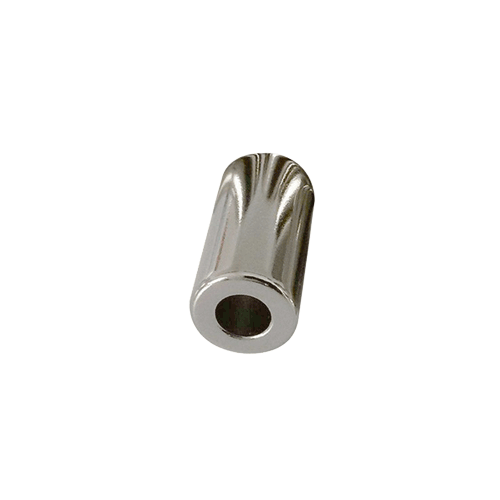
Ein Röhrenmagnet wirkt einfach, bis Bohrung, Wandstärke, Beschichtung und Magnetkreis in derselben Baugruppe aufeinander abgestimmt funktionieren müssen. Wir behandeln das Teil als eine fertige Gesamtkomponente, statt jede Spezifikation isoliert zu betrachten.
Wir fertigen Außendurchmesser (OD), Bohrung und Gesamtlänge als eine fertige Gesamtgeometrie – einschließlich des Einflusses der Beschichtung auf kritische Passmaße.
Wir betrachten Innendurchmesser (ID), Wandstärke und Länge gemeinsam, weil eine Geometrie, die bei einem kurzen Ring funktioniert, bei einem langen Rohr möglicherweise nicht mehr praktikabel ist.
Wir richten die Polorientierung am tatsächlichen Magnetkreis aus, statt die Magnetisierung allein anhand der Rohrform auszuwählen.
Wir legen die Maß-, Beschichtungs- und Magnetprüfungen anhand der Abnahmeanforderungen in Ihrer Zeichnung fest.
| Gegenstand | OSENC-Röhrenmagnetversorgung | Welche Angaben die RFQ enthalten sollte |
|---|---|---|
| Werkstoff | Gesintertes NdFeB | Magnetgüte oder magnetischer Zielwert |
| Geometrie | Länglicher zylindrischer Magnet mit gerader, durchgehender Bohrung | Außendurchmesser × Innendurchmesser × Höhe |
| Außendurchmesser | 1,5–60 mm | Außendurchmesser im Endzustand und Passungsanforderung |
| Innendurchmesser | 0,4–50 mm | Anforderung an die fertige Bohrung nach der Beschichtung |
| Länge | 0,3–120 mm | Gesamtlänge im Endzustand |
| Magnetgüten | N35–N55 sowie Temperaturgütefamilien, anwendungsbezogen geprüft | Betriebstemperatur |
| Magnetisierung | Zeichnungsgebunden | Polrichtung, Sensorposition oder magnetisch wirksame Flächen |
| Beschichtung | Optionen mit Nickel, Zink, Epoxid und auf Parylene-Basis | Einsatzumgebung und Passung im Endzustand |
Verwenden Sie einen Neodym-Rohrmagneten, wenn Ihre Konstruktion einen zylindrischen NdFeB-Magneten mit Durchgangsbohrung für eine Welle, Hülse, Führung, ein Kabel oder Befestigungselement oder für einen innen liegenden Montagefreiraum benötigt.
Gegenüber einem Vollzylinder schafft die Bohrung eine reproduzierbare mechanische Schnittstelle. Gegenüber einem kurzen Ring bietet der längere Körper mehr axiale Länge für die Baugruppe. Entscheidend für eine erfolgreiche Auslegung ist die gemeinsame Kontrolle von Bohrung, Wandgeometrie, Polrichtung und tatsächlichem Arbeitsluftspalt.
Für OSENC Rohrmagnete gelten folgende Bezeichnungen: D = Außendurchmesser, d = Innendurchmesser und H = Gesamthöhe / Länge.
Beispiel: D10 × d7 × H30 mm steht für 10 mm Außendurchmesser, 7 mm Innendurchmesser und 30 mm Gesamtlänge.
Für ein Rohr mit zylindrischer Bohrung beträgt die nominelle radiale Wandstärke (D − d) / 2. Wir beurteilen die Herstellbarkeit nicht allein anhand der Wandstärke. Wir prüfen Außendurchmesser, Innendurchmesser, Länge, Magnetgüte, Schleifaufmaß, Beschichtung und Kantenzustand als Gesamtheit.
Wenn das Rohr auf einer Welle läuft oder in der Nähe eines Sensors eingesetzt wird, geben Sie die kritische Passung sowie Anforderungen an Koaxialität oder Rundlauf direkt in der technischen Zeichnung an.
| Parameter | OSENC-Bereich | Konstruktiver Schwerpunkt |
|---|---|---|
| Außendurchmesser | 1,5–60 mm | Fertiger Außendurchmesser, Handhabung und Magnetkreis |
| Innendurchmesser | 0,4–50 mm | Bohrungspassung, Wandstärke und Beschichtungsaufbau |
| Höhe / Länge | 0,3–120 mm | Lange dünnwandige Geometrie und Handhabungsrisiko |
| Abmessung in Magnetisierungsrichtung | Bis zu 120 mm | Polrichtung in der freigegebenen technischen Zeichnung festgelegt |
Theoretische Bereiche für Außendurchmesser, Innendurchmesser und Höhe können nicht beliebig kombiniert werden. Lange Rohre, kleine Bohrungen und dünne Wände erhöhen den Bearbeitungsaufwand sowie die Schwierigkeiten bei Kantenbearbeitung und Handhabung. Senden Sie die vollständige Kombination aus Außendurchmesser × Innendurchmesser × Höhe; wir prüfen die Geometrie, bevor die Produktionszeichnung freigegeben wird.
Wir wählen die Magnetisierung anhand des tatsächlichen Magnetkreises und nicht allein anhand der Rohrform. Zeigen Sie uns Welle, Sensorposition, Luftspalt, Gegenstahl oder die gewünschte Feldrichtung in Ihrer Zeichnung.
Wir verwenden eine axiale Magnetisierung, wenn das Hauptmagnetfeld über die beiden ringförmigen Stirnflächen wirken soll.
Wir verwenden eine diametrale Magnetisierung, wenn das Feld über den zylindrischen Mantel wirken soll, einschließlich geeigneter Dreh- und Sensorkonzepte.
Bei radialen oder mehrpoligen Anforderungen prüfen wir vor der Angebotserstellung das Verhältnis von Außen- zu Innendurchmesser, die axiale Länge, die Magnetgüte und die Werkzeugauslegung.
OSENC kann N35–N55 und temperaturgeeignete Gütefamilien einschließlich M, H, SH, EH und AH für kundenspezifische Rohrmagnete prüfen.
Wir wählen die Magnetgüte gemeinsam mit Außendurchmesser, Innendurchmesser, Wandstärke, Betriebstemperatur und dem erforderlichen Magnetkreis aus. Eine höhere Güte ist nicht automatisch die bessere Wahl, wenn Geometrie oder Temperaturanforderung auf eine andere Lösung hinweisen.
Senden Sie uns die Betriebstemperatur und das magnetische Ziel. Wir stimmen die Güte auf das Fertigteil ab, anstatt sie als isolierte Spezifikation zu betrachten.
OSENC bietet Nickel, Zink, Epoxid und Parylene-basierte Beschichtungsoptionen für kundenspezifische Neodym-Magnete.
Bei einem Rohrmagneten beeinflusst die Wahl der Beschichtung nicht nur die Korrosionsbeständigkeit. Der Beschichtungsauftrag verändert den fertigen Außendurchmesser, den fertigen Innendurchmesser und das tatsächliche Montagespiel.
Wenn die Bohrung auf eine Welle oder Hülse passen muss, geben Sie den erforderlichen fertigen Innendurchmesser nach der Beschichtung an. Das Fertigmaß in der freigegebenen Zeichnung dient uns als Sollmaß für die Produktion.
Bei kundenspezifischen Magneten mit Epoxidbeschichtung beträgt der von OSENC bestätigte Schichtdickenbereich der Epoxidbeschichtung 15–40 μm. Vor der Produktionsfreigabe prüfen wir, ob die gewünschte Rohrgeometrie und Fertigtoleranz geeignet sind.
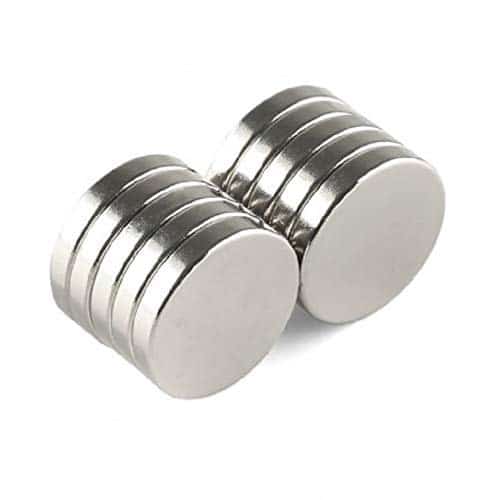
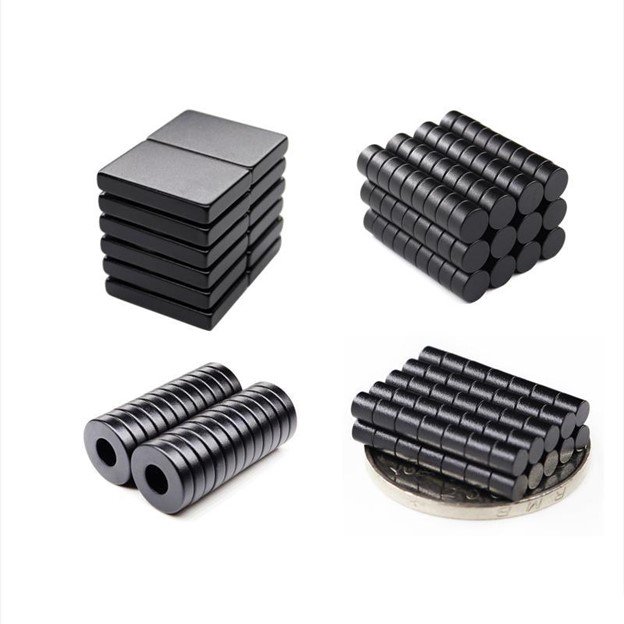
Bei Konstruktionen für Motoren und Wellenmontage prüfen wir die Passung der Bohrung, die Rotorgeometrie, die Polrichtung, den Luftspalt und die Betriebstemperatur gemeinsam.
Für Sensoranwendungen senden Sie uns bitte die Einbauposition des Sensors, die Messrichtung und den Arbeitsluftspalt. Wir prüfen die Rohrgeometrie und die Magnetisierung im Bereich der Erfassungsposition.
Bei Aktorkonstruktionen stimmen wir den Rohrmagneten auf Stange, Führung, Bewegungsrichtung und Magnetkreis ab.
Wir verwenden eine Geometrie mit Durchgangsbohrung, wenn der Magnet um eine Welle, Hülse, ein Kabel, eine Führung oder ein internes Bauteil passen muss und ein Vollzylinder dies verhindern würde.
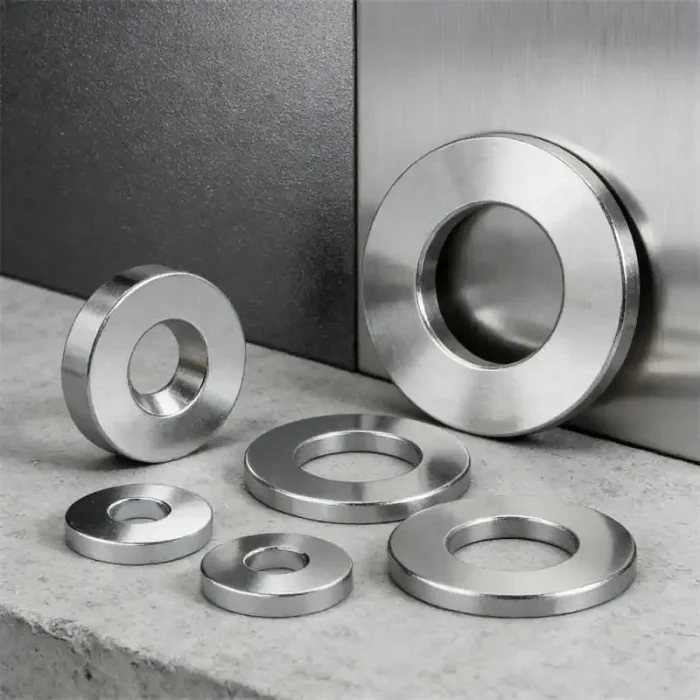
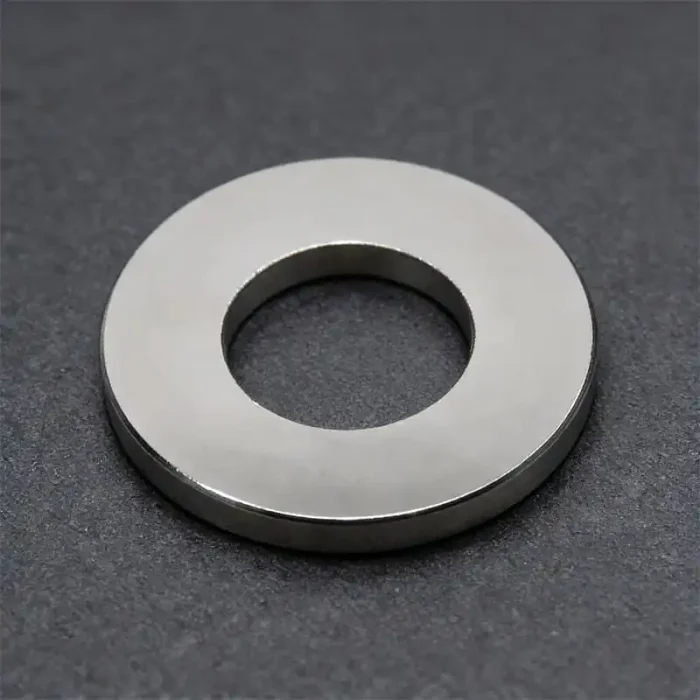
Ihre Zeichnung definiert, worauf es ankommt. Wir richten den Prüfplan an den Abmessungen und magnetischen Eigenschaften aus, die für Ihre Baugruppe maßgeblich sind.
| Prüfung | Was wir prüfen | Warum das wichtig ist |
|---|---|---|
| Außendurchmesser / Innendurchmesser / Höhe | Fertigmaße nach Bearbeitung und Beschichtung | Wellenpassung und Montagespiel |
| Bohrung und Kante | Bohrungszustand, Absplitterungen und Kantenschäden | Zuverlässigkeit bei dünnen Wandungen und Schutz bei der Montage |
| Beschichtung | Abdeckung, Oberflächenzustand und vorgegebene Schichtdicke | Korrosionsschutz und Passung im Endzustand |
| Polrichtung | Magnetisierungsrichtung | Korrekte Auslegung des Magnetkreises |
| Gaußmessung | Definierter Messpunkt sowie definierte Ausrichtung und Entfernung | Reproduzierbare magnetische Abnahmeprüfung |
| Sondergeometrie | Konzentrizität oder Rundlauf, sofern spezifiziert | Rotierende Baugruppen oder Baugruppen mit engem Arbeitsspalt |
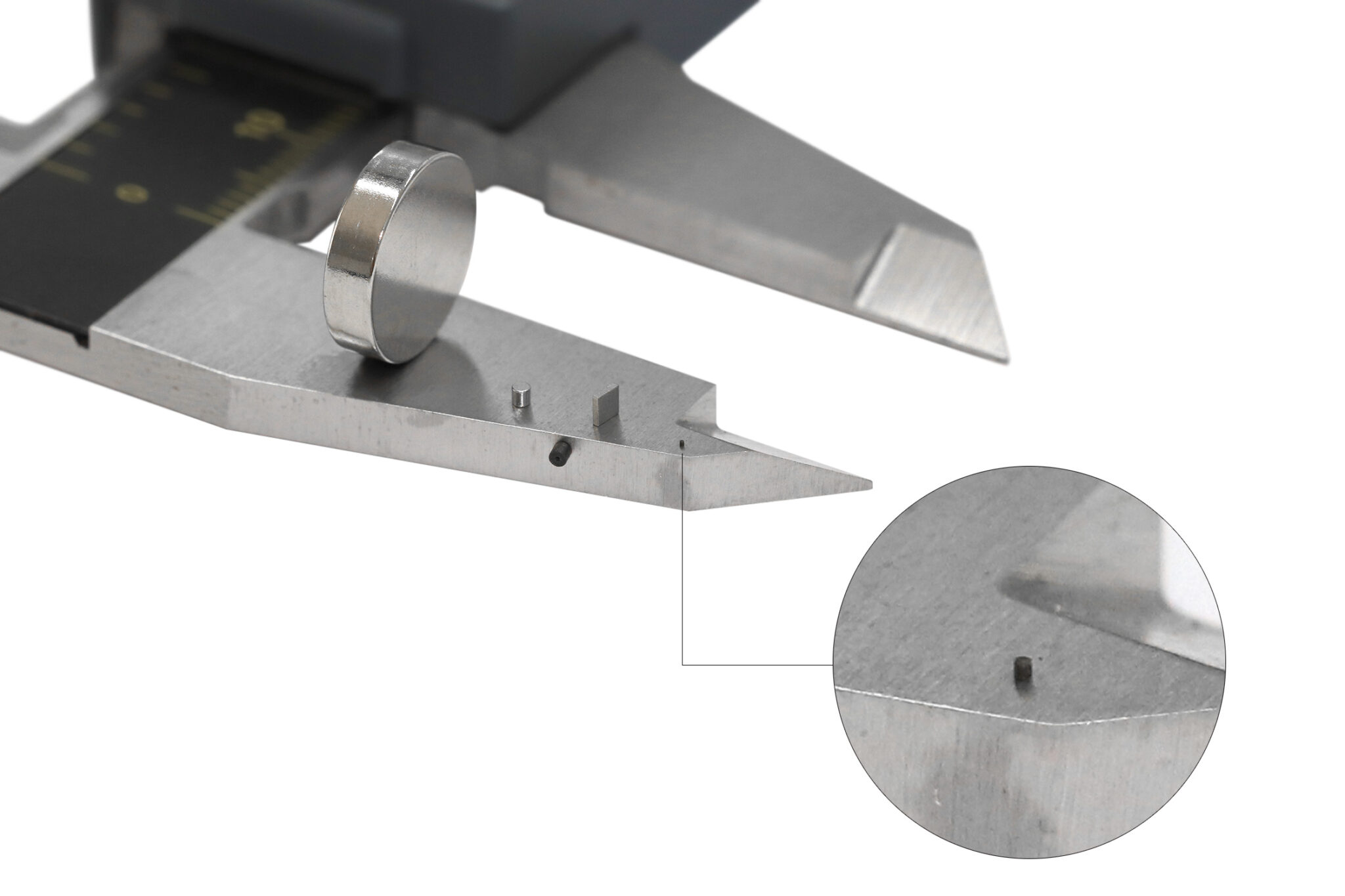

Ein Gaußwert ist nur aussagekräftig, wenn Magnetabmessungen, Werkstoffgüte, Polrichtung, Position und Ausrichtung der Sonde sowie der Arbeitsabstand festgelegt sind. Wenn für Ihr Projekt ein magnetisches Abnahmekriterium gilt, teilen Sie uns den Messpunkt und den Arbeitsspalt mit, damit wir die Prüfbedingungen vor der Produktion festlegen können.
Eine vollständige Zeichnung ist ideal. Zunächst genügen jedoch Außendurchmesser × Innendurchmesser × Höhe und die Anwendung.
Für eine erste Abstimmung benötigen Sie keine perfekte Fertigungszeichnung. Senden Sie uns die bereits bekannten Angaben zu Abmessungen, Anwendung und magnetischer Wirkrichtung.
Vor der Angebotserstellung und Bemusterung prüfen wir Rohrgeometrie, Güteklasse, Beschichtung, Magnetisierung und Prüfanforderungen für das komplette Fertigteil.
Anfrage für Ihren Rohrmagneten senden| Produkt | Beschreibung | Geeignet für | Wesentliche Angaben für die Angebotsanfrage |
|---|---|---|---|
| Neodym-Rohrmagnet | Längliches gesintertes NdFeB-Bauteil mit gerader Durchgangsbohrung. | Wellen, Sensoren, Motoren, Aktuatoren und zylindrische OEM-Baugruppen. | Außendurchmesser, Innendurchmesser, Höhe, Güte, Magnetisierung, Beschichtung, Toleranz, Stückzahl. |
| Neodym-Ringmagnet | Kürzere NdFeB-Geometrie mit Durchgangsbohrung, häufig unterlegscheibenähnlich. | Kompakte Rotoren, Lautsprecher, Sensoren, Kupplungen und Befestigungen. | Außendurchmesser, Innendurchmesser, Dicke, Magnetisierung, Beschichtung. |
| Magnetisches Filterrohr / Magnetstab | Komponente zur Magnetabscheidung mit einer schützenden Edelstahlkonstruktion um einen innenliegenden Magnetkreis. | Entfernung eisenhaltiger Verunreinigungen aus dem Produktstrom. | Rohrdurchmesser, Länge, Arbeitsluftspalt, Prozessmaterial, Temperatur, Reinigungsverfahren. |
Ein Neodym-Magnetrohr ist ein länglicher, rohrförmiger, gesinterter NdFeB-Permanentmagnet mit einer geraden, durchgehenden Bohrung. OSENC fertigt die Geometrie nach Zeichnung für Wellen-, Sensorik-, Motor- und kundenspezifische zylindrische Baugruppen.
Unser aktueller Abmessungsbereich für Rohrmagnete beträgt 1,5–60 mm Außendurchmesser, 0,4–50 mm Innendurchmesser und 0,3–120 mm Höhe; die maximale Abmessung in Magnetisierungsrichtung beträgt 120 mm. Vor der Produktionsfreigabe prüfen wir die vollständige Kombination aus Außendurchmesser × Innendurchmesser × Höhe.
Verwenden Sie D × d × H, wobei D für den Außendurchmesser, d für den Innendurchmesser und H für die Gesamtlänge steht. Beispielsweise bedeutet D10 × d7 × H30 mm: 10 mm Außendurchmesser, 7 mm Innendurchmesser und 30 mm Länge.
Wir prüfen lange und dünnwandige Rohrgeometrien; die Machbarkeit hängt jedoch von der vollständigen Kombination aus Außendurchmesser × Innendurchmesser × Höhe, der Güte, der Beschichtung und der Kantenausführung ab. Übermitteln Sie die vollständige Geometrie, anstatt nur die Wanddicke zu betrachten.
Ja. Wenn der Innendurchmesser ein kritisches Passmaß ist, geben Sie die Anforderungen an die fertige Bohrung in der Zeichnung an. Wir prüfen die Beschichtung zusammen mit den Anforderungen an das Fertigmaß.
Kennzeichnen Sie die erforderliche Nord-/Südpolrichtung, die Sensorposition oder die magnetisch wirksamen Flächen. Falls der Magnetkreis noch nicht festgelegt ist, senden Sie uns den Aufbau der Baugruppe; wir können dann gemeinsam mit Ihnen die geeignete Magnetisierungsrichtung prüfen.
Nein. Wir stimmen die Magnetisierung auf den tatsächlichen Magnetkreis ab. Axiale und diametrale Anordnungen kommen bei geeigneten Ausführungen mit Durchgangsbohrung zum Einsatz; Anforderungen an radiale oder mehrpolige Magnetisierungen werden vor der Angebotserstellung hinsichtlich Geometrie und Werkzeugauslegung geprüft.
Zu den Beschichtungsoptionen von OSENC für kundenspezifische Neodym-Magnete gehören Nickel-, Zink-, Epoxid- und Parylene-basierte Systeme. Bei Rohrmagnetprojekten wählen wir die Beschichtung unter Berücksichtigung der Korrosionsbelastung und der erforderlichen Passung von fertigem Außen- und Innendurchmesser aus.
Ja. Die Musterprüfung ist der richtige Zeitpunkt, um Passung, Fertigmaße, Beschichtung, Polungsrichtung und vereinbarte magnetische Prüfungen vor der Folgefertigung zu bestätigen.
Wir fertigen Neodym-Rohrmagnete als fertig bearbeitete Konstruktionsteile. Senden Sie uns Geometrie, Anwendung, Magnetisierungsrichtung, Beschichtung, Betriebstemperatur und Stückzahl. Anschließend prüfen wir das vollständige Bauteil für die Angebotserstellung.
Technisches Angebot anfordern